If you’ve spent the last few decades trying to decode the ever-changing “food pyramid,” you aren’t alone. One year eggs are the enemy, the next they’re a superfood. It’s enough to make you want to throw your hands up and reach for a bag of chips—which, ironically, is exactly what the government is now telling us not to do.
The new 2025–2030 Dietary Guidelines for Americans have officially landed, and they aren’t just a minor tweak; they’re a “once-in-a-generation” reset. Think of it as a return to the basics—the kind of food your grandmother would actually recognize.
The “New” Pyramid: Flipping the Script
Remember the old pyramid with a mountain of bread and pasta at the bottom? You can toss that out. The new visual framework literally turns the logic on its head. Here is the new hierarchy for a healthier you:
-
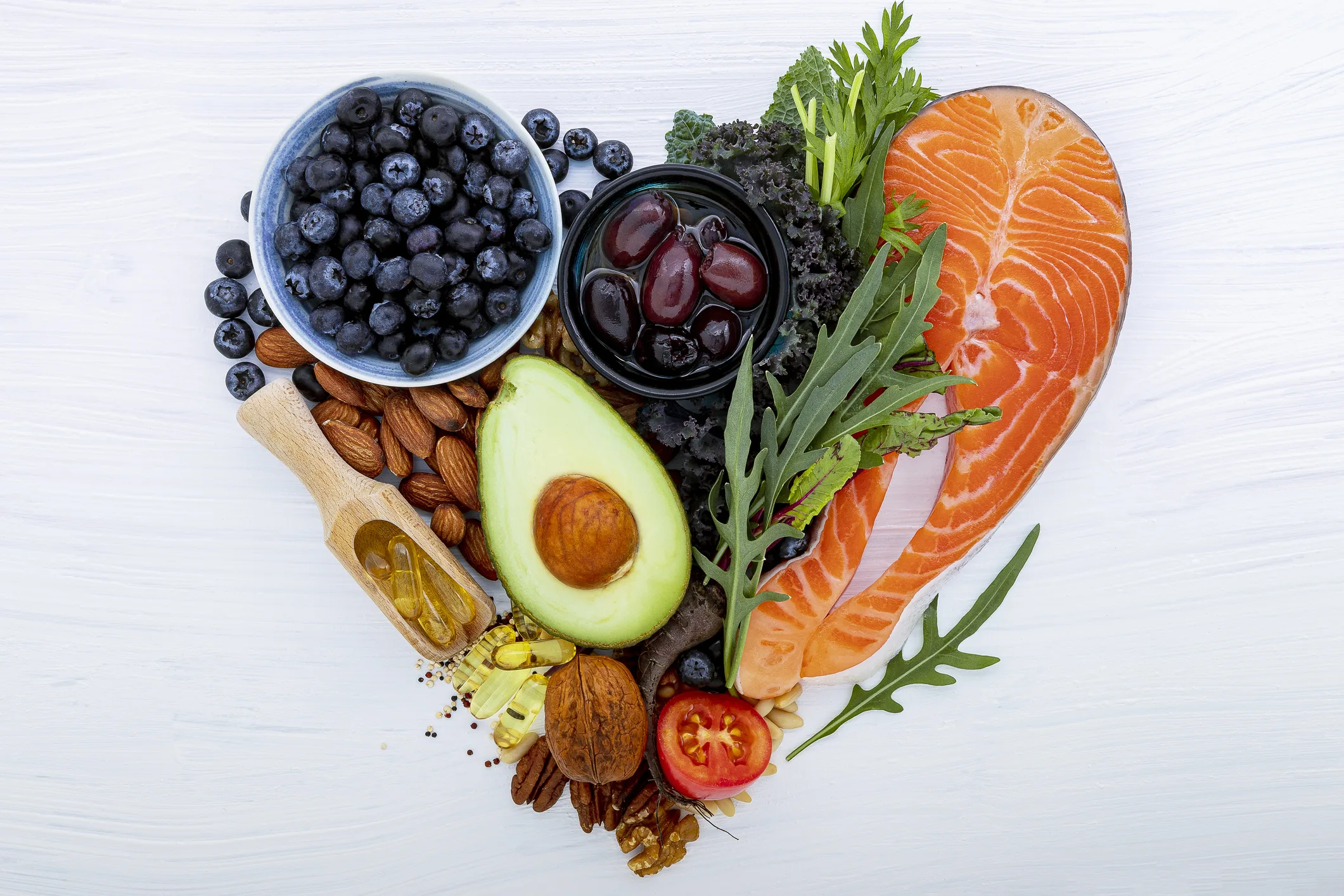
The Foundation: Protein and Produce. The new guidelines place high-quality proteins (meat, poultry, eggs, seafood, and legumes) and vegetables at the center of the plate.
-
The “Real Food” Rule: The mantra is simple: Eat real food. If it comes in a box with thirty ingredients you can’t pronounce, it’s probably on the “avoid” list.
-
Whole Grains Only: While grains haven’t been evicted, the focus has shifted entirely to fiber-rich whole grains, while white bread and flour tortillas have been moved to the “limit” category.
The End of the “War on Fat”
For those of us who grew up in the era of “SnackWell’s” cookies and fat-free everything (that tasted suspiciously like cardboard), this next part is a breath of fresh air. The guidelines have officially called a ceasefire on certain natural fats.
-
Full-Fat is Back: The new advice explicitly includes full-fat dairy, and for the first time in years, even mentions butter and beef tallow as options. The experts finally admitted that natural fats from whole foods are often more satisfying and less disruptive than the highly processed “Franken-fats” used to replace them.
-
The 10% Rule: Don’t go entirely wild just yet. You still need to keep saturated fat under 10% of your daily calories. So, you can have the butter, just maybe don’t use the whole stick.
The Sugar War: No More “Empty” Sweet Talk
If the guidelines are “pro-protein,” they are officially “anti-sugar.” The new stance is the toughest we’ve ever seen:
-
A Hard Line: The new guidance states that no amount of added sugar or artificial sweeteners is recommended for a healthy diet.
-
The 10-Gram Goal: To keep things practical, they suggest aiming for no more than 10 grams of added sugar per meal. For context, a single soda can have four times that amount.
What This Means for the 50+ Crowd
As we navigate our “Golden Years,” our bodies become a little less forgiving of poor fuel. These guidelines are particularly relevant for us because:
-
Muscle Maintenance: The new recommendation calls for 1.2 to 1.6 grams of protein per kilogram of body weight. That’s a significant jump from previous years, specifically designed to help us keep our muscle mass and strength as we age.
-
Simplicity is Key: The new guidelines are only about 10 pages long, down from the 164-page novel of years past. It’s common-sense advice for busy people who don’t want to spend their afternoon reading government white papers.
-
Metabolic Health: By cutting out “ultra-processed” foods and refined carbs, we’re giving our hearts and insulin levels the break they deserve.
The Bottom Line
The government is finally catching up to what many of us suspected: the more we process our food, the more we process our health away. By prioritizing real protein, healthy fats, and plenty of greens, we aren’t just “dieting”—we’re performing vital maintenance on the only body we’ve got.
So, go ahead and have that steak and broccoli. Just maybe leave the packaged snack cakes in the grocery store aisle. Your 80-year-old self will thank you!
Source: