It turns out, we don’t need radical new diets, but rather a more strategic, targeted way of eating that focuses on fighting the two biggest physical challenges we face after 50: Sarcopenia (the loss of muscle mass) and Cognitive Decline (slowing brain function).
This is what researchers are calling “Precision Eating for Longevity.” It’s about being precise with what you eat and when you eat it to maximize your health span—the years you spend healthy and active.
1. High-Priority: Protein Distribution (The “Muscle-Maintenance” Rule) 🏋️
For adults over 50, protein is arguably the most critical nutrient for maintaining strength, metabolism, and independence. The latest trend isn’t just about total protein intake; it’s about protein timing and dosing to get the maximum benefit for your muscles.
The Challenge of Anabolic Resistance
You know how it gets harder to build or even maintain muscle mass as the years go by? That’s largely due to a phenomenon called “anabolic resistance.” Essentially, as we age, our muscle cells become less sensitive to the signals that tell them to grow or repair themselves, even when protein is available.
- What this means: The small amount of protein you get from a typical breakfast (like toast or a tiny yogurt) is usually insufficient to trigger the necessary muscle-building process (known as “muscle protein synthesis”). Your muscles need a bigger, single hit of protein to truly kickstart repair and growth.
The Strategic Solution: Dose-Loading Protein
Instead of eating a little bit of protein spread thinly throughout the day, the latest science suggests “dose-loading” protein at each main meal.
- The Magic Number: Experts now widely recommend aiming for 25–40 grams of high-quality protein at each of your three main meals.
- The Biggest Opportunity: Breakfast. If you usually skimp on protein in the morning, focusing here can make the largest difference. Swapping a bowl of cereal (5g protein) for a large serving of Greek yogurt with nuts (30g protein) or an egg-and-meat scramble (35g protein) ensures your muscles get the signal they need early in the day.
- Why It Works: This targeted approach helps overcome anabolic resistance, allowing your body to use the protein much more effectively, especially when combined with weight-bearing or resistance exercise. This simple change is a powerful tool to directly fight muscle loss, boost metabolism, and keep you feeling satisfied.
2. Food as Medicine: The MIND Diet for Brain Health 🧠
While a healthy heart is crucial, the trend we’re seeing is a heightened focus on cognitive function—keeping our brains sharp and memory intact. This has made the MIND Diet one of the most talked-about eating patterns among older adults.
What is the MIND Diet?
The MIND Diet (which stands for Mediterranean-DASH Intervention for Neurodegenerative Delay) is not about quick weight loss. It’s a targeted dietary plan that cherry-picks the best, most neuro-protective elements from the tried-and-true Mediterranean Diet and the blood-pressure-lowering DASH Diet. The goal is explicit: to protect the aging brain and lower the risk of Alzheimer’s disease and dementia.
- The Superstars: The diet is built around 10 “brain-healthy” food groups and limits five “unhealthy” ones. The core emphasis is on these specific items:
- Leafy Greens: Consume at least six servings per week (spinach, kale, etc.). They are rich in crucial brain-protective nutrients like folate, vitamin E, and carotenoids.
- Berries: Eat them at least twice per week. Berries (especially blueberries and strawberries) are the only fruit highlighted due to their strong link to slower cognitive decline.
- Whole Grains, Nuts, and Beans: These are recommended daily for fiber and healthy fats.
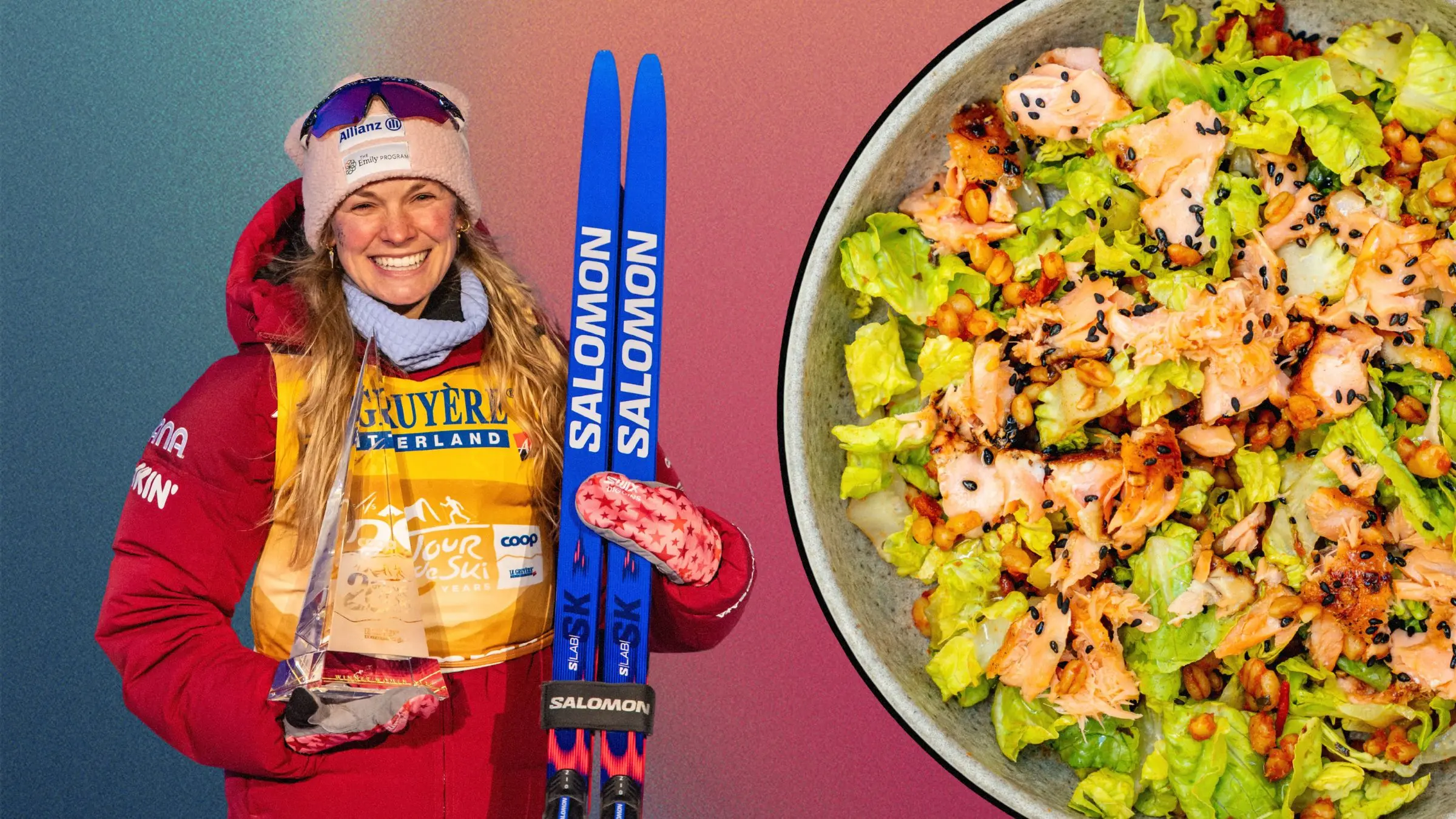
- Fish: Aim for at least one serving per week of fatty fish (like salmon) for essential Omega-3s.
Why It’s Relevant
This diet provides a clear, actionable “food prescription” for brain health, which is incredibly appealing to adults focused on longevity. It’s less restrictive than many fad diets, focusing instead on achievable goals that are supported by years of neurological research.
3. The Timing Trend: Time-Restricted Eating (TRE) ⌚
Intermittent Fasting (IF) can sound extreme, but a much more accessible and popular variation that older adults are adopting is Time-Restricted Eating (TRE).
- The Concept: You don’t focus on what you eat, but strictly on when you eat, typically confining all your daily food consumption to a manageable 8 to 12-hour window. For example, eating only between 10:00 AM and 8:00 PM.
- How it Works for Longevity: During the fasting period, your body switches to using stored fat for energy. This triggers several metabolic benefits crucial for aging:
- Improved Blood Sugar: It gives your insulin system a needed break, leading to better regulation of blood glucose.
- Cellular Repair: It initiates autophagy, a cellular cleanup process where damaged molecules are removed or repaired, which is strongly linked to longevity.
- Metabolic Boost: It can help manage weight and improve overall metabolic markers without the constant hunger of traditional calorie restriction.
TRE is popular because it’s simple, flexible, and doesn’t require complex meal planning, making it a very appealing lifestyle tweak for health-conscious adults.