Remember when “getting enough protein” meant occasionally opting for the larger steak at the Friday night fish fry? Those were simpler times. Nowadays, if you listen to the fitness gurus on social media, you’d think you need to carry a gallon of chalky sludge and a dry chicken breast in your pocket just to make it through a trip to the grocery store. For those of us who have successfully navigated five or more decades of life, the stakes are a bit higher—we actually need that muscle now to keep doing the things we love—but the desire to spend four hours a day “macro-tracking” is, quite frankly, nonexistent. We have better things to do, like wondering why every restaurant has decided that “mood lighting” means we need a miner’s helmet to read the bill.
Luckily, Lauren Twigge—a registered dietitian and busy mom who clearly doesn’t have time for nonsense—has a refreshing take: you don’t need to obsess over every gram to get it right. It’s about smart, sustainable habits that fit into a life already full of commitments.
Why Protein Becomes Your Best Friend After 50
As we enter our 50s and beyond, our bodies undergo a natural process called sarcopenia, or the gradual loss of muscle mass. This isn’t just about looking fit; muscle is the structural support for our joints and the primary driver of our metabolism.
Research indicates that older adults actually require more protein than younger people to achieve the same level of muscle maintenance. While the standard RDA (Recommended Dietary Allowance) is often cited as 0.8 grams per kilogram of body weight, many longevity experts and dietitians like Twigge suggest that active adults should aim higher to ensure functional independence and bone density.
The “30/10” Strategy for Steady Energy
One of Twigge’s most practical recommendations is her approach to distribution. Instead of skipping protein at breakfast and eating a massive steak at 7:00 PM, she advocates for a balanced “anchor” system:
- Aim for 30 Grams per Meal: This is the “sweet spot” for triggering muscle protein synthesis. Whether it’s breakfast, lunch, or dinner, having a substantial protein source ensures your body has the building blocks it needs throughout the day.
- Aim for 10 Grams per Snack: Snacks shouldn’t just be “empty” carbs. Adding a small hit of protein helps stabilize blood sugar and prevents the mid-afternoon energy crash that often leads to mindless grazing.
High-Impact Protein “Shortcuts”
Lauren Twigge emphasizes that you don’t always have to be at the stove to hit your goals. For adults over 50, convenience is key to consistency.
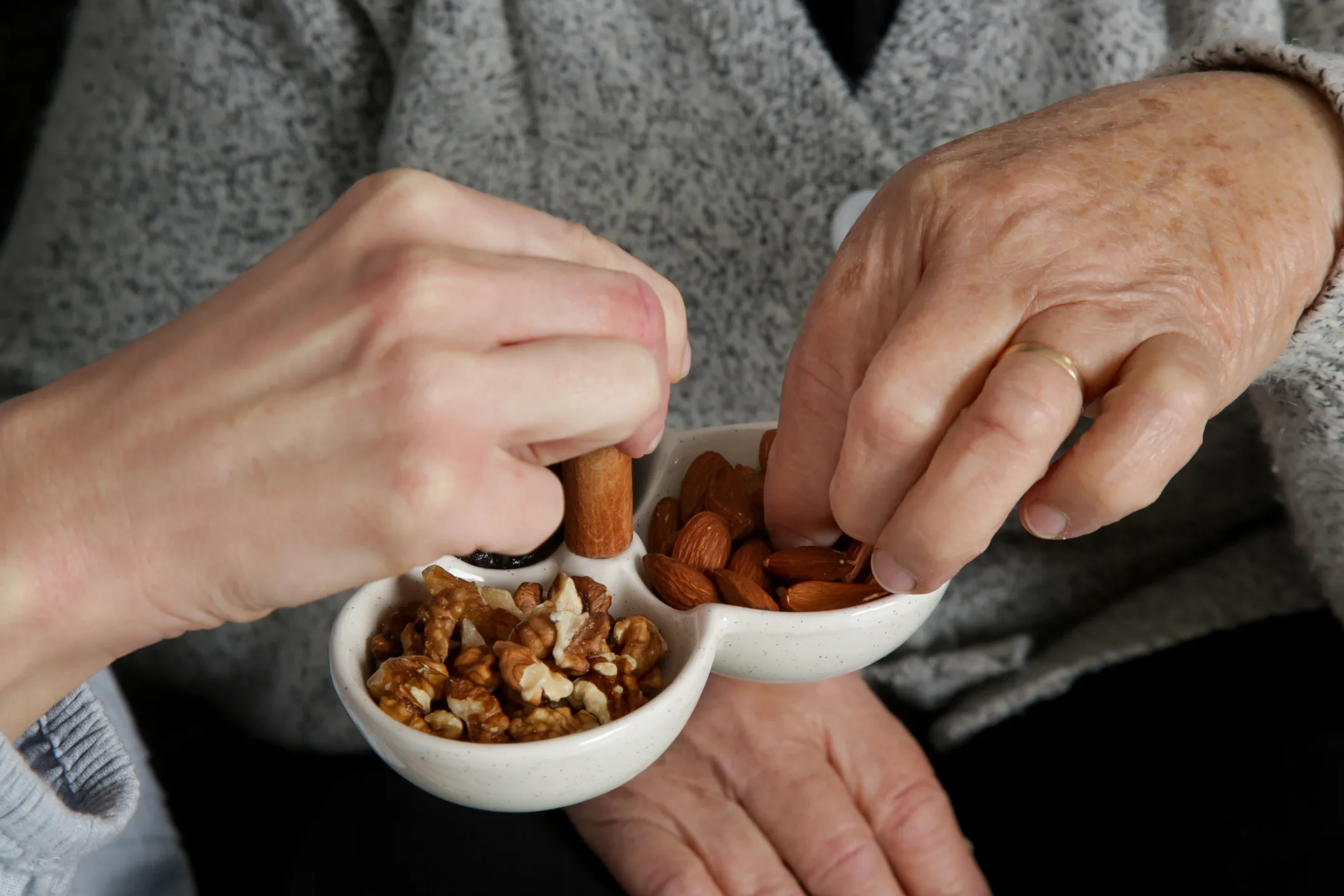
- Greek Yogurt & Cottage Cheese: These are powerhouse ingredients. A single cup of Greek yogurt can pack up to 20 grams of protein, making it an easy base for a 30-gram breakfast when topped with nuts or hemp seeds.
- Rotisserie Chicken: A professional favorite for a reason. It’s pre-cooked, versatile, and provides high-quality lean protein that can be added to salads, soups, or wraps in seconds.
- Edamame and Beans: For those leaning toward a plant-based diet, these provide a double win: high protein and high fiber, both of which are essential for heart health and digestion as we age.
The Synergy of Protein and Fiber
A professional nutritional plan isn’t just about one nutrient. Twigge notes that protein works best when paired with fiber. This combination is the “gold standard” for satiety.
- Digestive Health: High-protein diets can sometimes be tough on the digestive tract; fiber keeps things moving.
- Blood Sugar Regulation: Protein slows down the absorption of sugar, while fiber provides a steady release of energy, preventing the spikes and dips that can affect mood and cognitive clarity.
Consistency Over Perfection
The most important takeaway from Twigge’s philosophy is that your diet should serve your life, not the other way around. You do not need to be a professional athlete to benefit from these principles. By simply ensuring that every time you eat, you are “anchoring” your plate with a protein source, you are making a profound investment in your future mobility and health. Focusing on these professional fundamentals ensures your body remains as capable and resilient as your spirit.
Source: