Let’s face it: turning 50 is a bit like realizing your smartphone’s operating system just underwent a massive update without your permission. The hardware is largely the same, but suddenly the apps are running differently, the battery drains a bit faster, and you aren’t entirely sure where the “jump out of bed without cracking like a glowstick” setting went. When it comes to exercise, many of us assume that the transition into our 50s and 60s is a signal to pull into the slow lane, trade the sneakers for orthopedic slippers, and view a brisk walk to the mailbox as “cardio.”
However, recent data suggests that changing gears doesn’t mean putting on the brakes. While our bodies demand a shift in how we move, completely dropping out of the fitness game—or drastically narrowing our routines—is the real hazard. If you’ve noticed your workout routine naturally thinning out lately, you aren’t alone; science actually tracks this phenomenon, and it’s time we talk about how to rewrite the script.
The “Fitness Dropout” Trend Under the Microscope
A major Australian longitudinal study (HABITAT – How Areas in Brisbane Influence Health and Activity) tracking 10,997 adults aged 40 to 65 closely monitored how physical activity habits evolve as we cross into later adulthood. The researchers tracked participants multiple times over a five-year span to identify exactly where and why aging adults begin stepping away from sports and structured exercise.
The findings exposed a clear, age-related decline in both the frequency of exercise and the variety of activities performed:
- The Frequency Drop: As individuals aged, the total number of active days per week steadily decreased.
- The Monotonous Routine: Exercisers heavily narrowed their physical portfolios, shifting almost exclusively to single, low-impact, lower-intensity habits while abandoning the varied sports or activities they enjoyed in their 40s.
- The Demographic Divide: The study revealed distinct patterns. In early middle age, running, home workouts, and weight training reigned supreme. However, as time progressed, women heavily consolidated into home-based exercises and yoga, while men gravitated narrow-mindedly toward golf or cycling, dropping team sports and high-energy formats entirely.
Why “Mixing It Up” Is Your Best Defense Against Aging
When variety drops, your health risks rise. The Australian research team strongly emphasized that a lack of diversity in your physical routine is a physiological red flag. According to the study, regular participation across multiple, distinct activities provides a necessary diversity in movement, loading patterns, and intensities.
Medical literature, including publications from the American College of Sports Medicine (ACSM), supports the fact that cross-training serves as a vital safeguard for aging bodies:
- Comprehensive Physiological Adaptation: Relying solely on one movement pattern (like walking or golf) leaves other bodily systems completely unchallenged. Cardiovascular health, joint mobility, cognitive agility, and bone density all require different physical stimuli to maintain their integrity.
- Injury Prevention through Varied Loading: Repeating the exact same physical motion day in and day out causes repetitive stress on specific joints while letting surrounding stabilizer muscles atrophy.
- Cognitive and Social Resilience: Dynamic sports—such as tennis, pickleball, or structured fitness groups—force the brain to process spatial awareness and rapid coordination, offering neurological benefits that linear exercises like a treadmill simply cannot duplicate.
The Dangerous Disappearance of Resistance Training
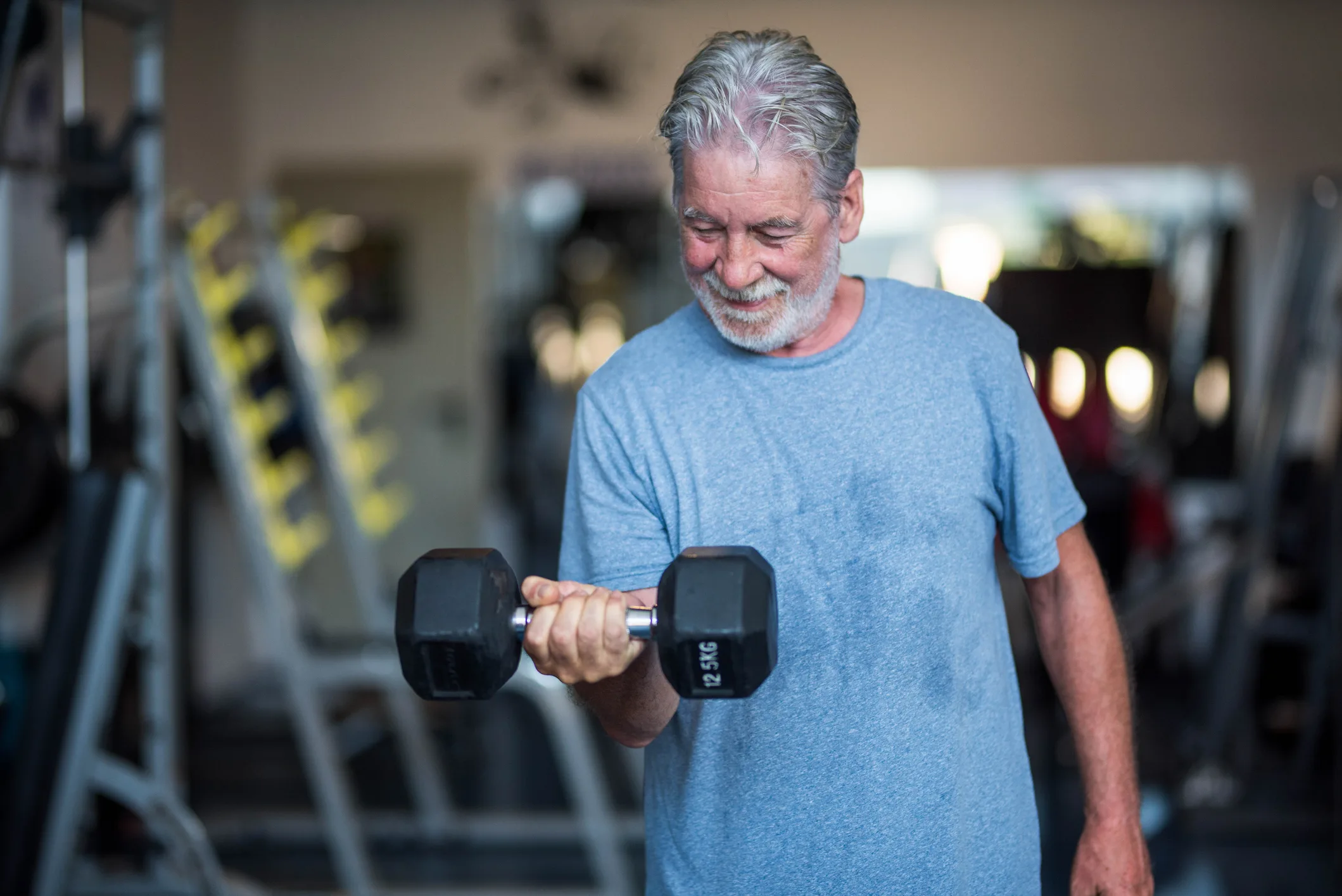
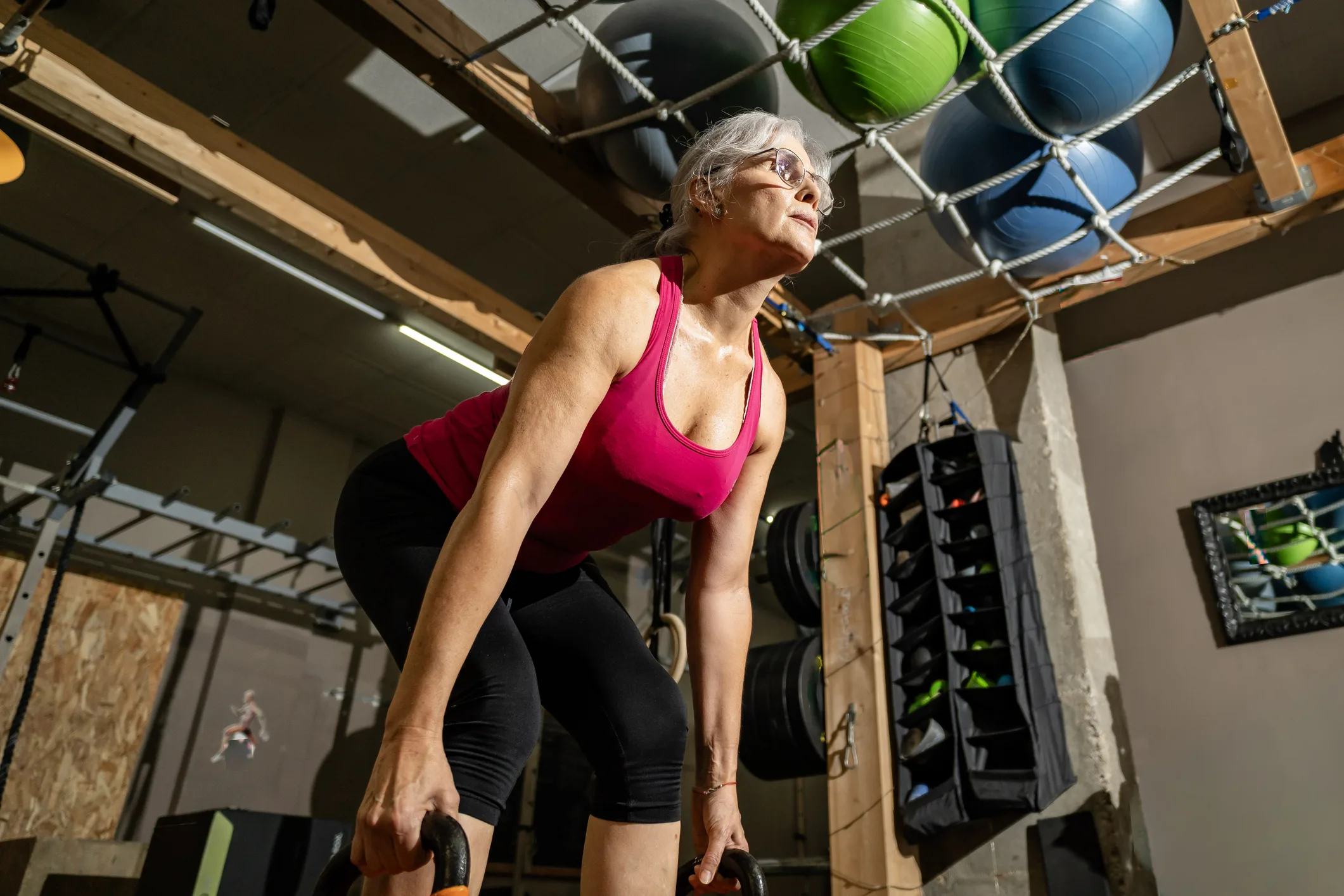
Perhaps the most concerning “dropout” trend highlighted by the data is the tendency for adults to abandon weight training during the transition from middle age to their golden years. While younger populations frequently lift weights for aesthetic reasons, resistance training becomes a clinical necessity after the age of 50.
The Reality of Sarcopenia: The age-related loss of muscle mass and function—known as sarcopenia—accelerates considerably after the age of 60.
Legitimate medical research confirms that progressive resistance training is the only definitive intervention capable of slowing down, preserving, and even reversing this muscle loss.
The clinical consensus is clear: the over-50 demographic should be hitting the weight room or performing structured resistance exercises at least twice a week.
How to Structure a Diversified Weekly Routine
If you are looking to realign your fitness habits to preserve long-term health, independence, and overall quality of life, you need a balanced portfolio. Rather than doing less as the years accumulate, use the extra time freed up by a tapering career or an empty nest to build a well-rounded routine.
Medical guidelines recommend combining elements from the following categories to form your weekly schedule:
- Cardiovascular Endurance: Running, cycling, or swimming to keep the heart muscle elastic and vascular systems clear.
- Mobility and Balance: Yoga or dedicated stretching protocols to retain full joint range of motion and reduce the daily physical stiffness that threatens balance.
- Agility and Social Connection: Fast-paced, reactive pastimes like pickleball, tennis, or organized walking clubs that test your reflexes while keeping you socially integrated.
- Strength Foundations: A dedicated strength program—ideally mapped out with a personal trainer—focusing on compound movements to protect the spine, hips, and knees.
Takeaway
In short, your 50s and beyond are not the time to gracefully bow out of the gym and assume your active days are behind you. Think of your body less like an expiring warranty and more like a classic sports car: it requires a bit more specialized maintenance, a higher grade of fuel, and a gentle warm-up period, but it’s still fully capable of turning heads on the highway. Don’t let your routine dwindle down to a cautious stroll around the block. Mix up your activities, pick up those dumbbells, join that local club, and remember that while gravity always wins in the end, there’s absolutely no reason to make its job easy.
Source:
Fitness: Staying fit evolves as we age
People Abandon Fitness Routines as They Get Older, Study Finds