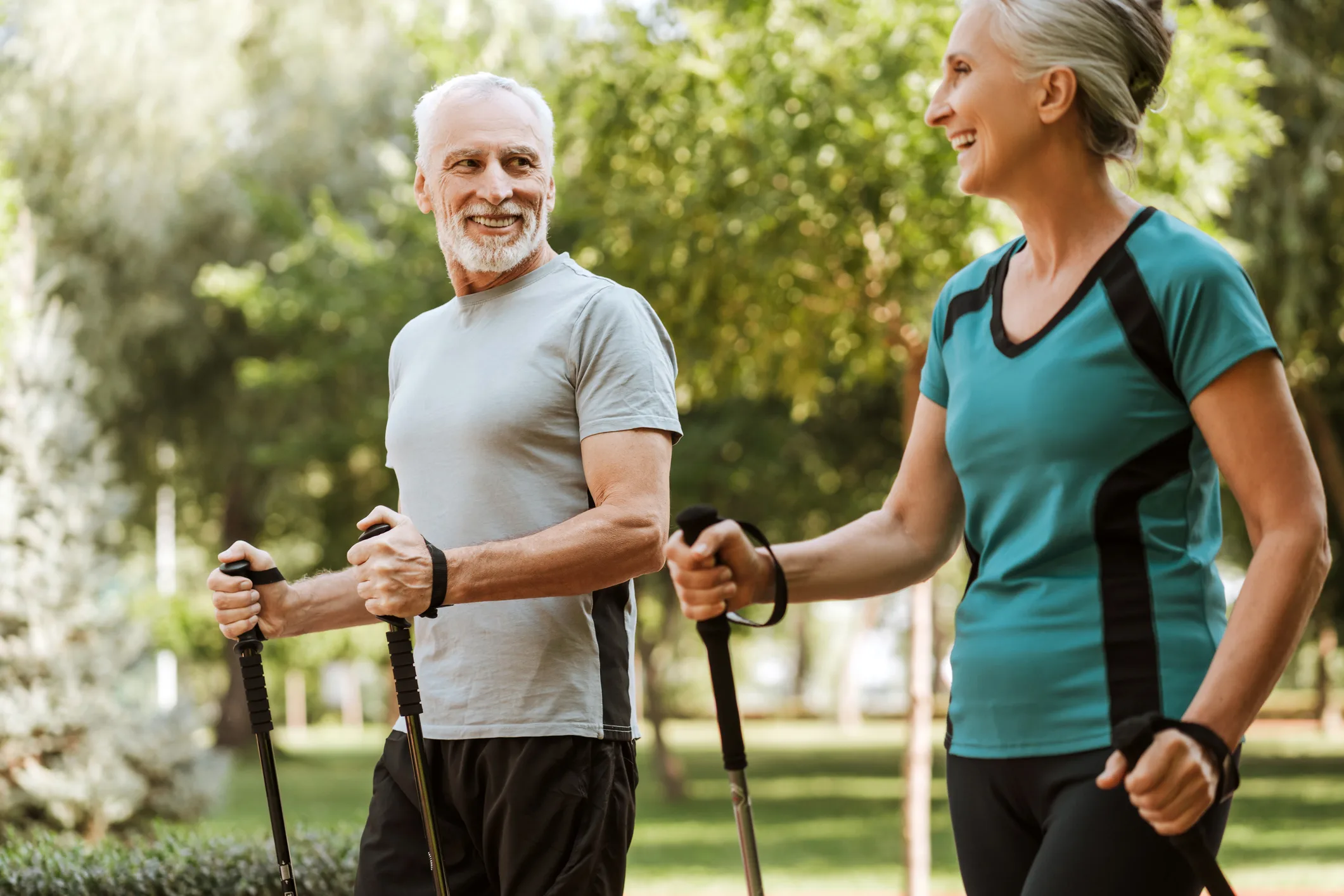
If you have ever had a neighbor wave at you while you power past them—where they probably assume you must have left the stove on or missed your dental appointment—you already know the power of a purposeful stride.
When writer Nicola Down turned her leisurely neighborhood strolls into purposeful speed walks, she dropped 24 kilograms (about 53 pounds) in eight months. But for those of us over 60, picking up the pace isn’t just about fitting into an older pair of trousers; it is one of the most effective, accessible tools for protecting our joints, sharp minds, and long-term independence.
The “6-6-6” Walking Framework
The core mechanism behind this transformation is the 6-6-6 technique, a structured method designed to elevate an everyday stroll into a moderate-intensity aerobic workout without putting excessive stress on the joints.
1. 6-Minute Gentle Warm-Up: Preparation Phase.
Begin with six minutes of easy-paced walking to gradually increase blood flow, lubricate synovial fluid in the joints, and elevate core body temperature.
2. Brisk Walk Interval: Main Workout (Up to 60 Minutes).
Increase your speed to a moderate-intensity effort. If a continuous hour feels unmanageable, divide this phase into six 10-minute high-tempo bursts interspaced with short recovery periods.
3. 6-Minute Cool-Down: Recovery Phase.
Slow your pace gradually over six minutes to lower your heart rate safely, preventing blood pooling in the lower extremities.
The Medical Science of Pace vs. Step Count
For decades, public health messaging prioritized arbitrary step totals (such as 10,000 steps per day). However, modern exercise physiology and physical activity guidelines increasingly emphasize intensity over volume.
Brisk walking qualifies as moderate-intensity cardiorespiratory exercise. A simple field metric for moderate intensity is the “Talk Test”: you should be breathing noticeably heavier and able to carry on a conversation, but unable to sing.
Key Physiological Benefits for Adults 60+
- Gait Speed as a Biomarker: Clinical studies consistently demonstrate that comfortable gait speed correlates directly with overall survival and healthspan in older adults. A faster walk reflects robust cardiovascular reserve, neuromuscular coordination, and lower frailty risk.
- Musculoskeletal Activation: Walking at an elevated speed engages major muscle groups—specifically the gluteus maximus, hamstrings, and gastrocnemius (calves)—to a far greater degree than casual strolling. This increased mechanical load helps preserve lean muscle mass (sarcopenia prevention) and supports bone mineral density.
- Metabolic and Vascular Health: Research published in metabolic health literature confirms that structured brisk walking programs significantly reduce visceral adipose tissue (belly fat), improve insulin sensitivity, and assist in regulating resting blood pressure.
- Neurovascular Function: Increased cardiorespiratory demand enhances cerebral blood flow, stimulating the release of brain-derived neurotrophic factor (BDNF), a key protein involved in cognitive maintenance and memory retention.
Practical Modifications for Peak Performance
Transitioning from a casual walk to a brisk stride requires conscious biomechanical adjustments, especially to prevent unnecessary fatigue or strain.
Bio-Mechanics and Form Rules
- The 90-Degree Arm Drive: Bend your elbows at a 90-degree angle and pump them smoothly from the shoulders, driving backward rather than across your torso. Because the upper and lower body rhythmically couple, accelerating your arm swing naturally forces your legs to follow.
- Posture Realignment: Keep your gaze focused roughly 10 to 20 feet ahead, chest open, and shoulders relaxed. Upright posture maximizes lung expansion and optimizes your center of gravity.
- Cadence Cues: Replace slow-tempo media with music featuring 120 to 130 beats per minute (BPM) to naturally cue a faster stride frequency.
Cardiovascular Guideline: Accumulating 150 minutes of moderate-intensity exercise per week—achievable via 50 minutes of brisk walking three times a week—is directly linked to a significantly reduced risk of cardiovascular disease, type 2 diabetes, and stroke.
Takeaway
So, the next time you step out the front door, resist the urge to amble towards the nearest bench. Bend those arms, pick a spot on the horizon, and walk as if you are running five minutes late for dinner. Your heart, hips, and longevity will thank you for it.