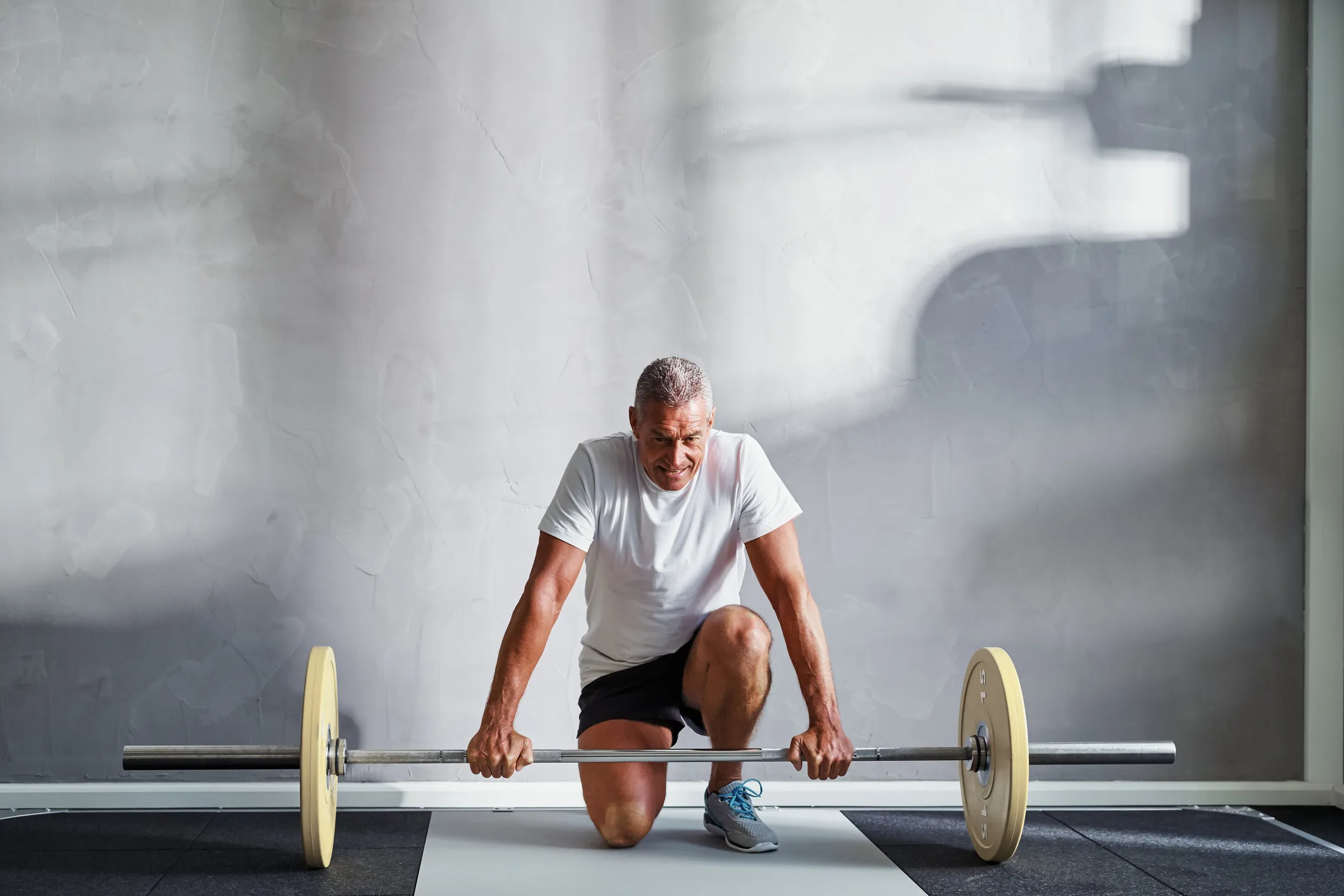
Weightlifting and body building have been around for decades. How many of us remember Steve Reeves from the 1958 movie Hercules? The early morning Jack LaLanne show where he’d demonstrate a 15 minute workout with nothing but a chair. Arnold Schwarzenegger vs Lou Ferrigno in the 1974 Mr. Universe. Those are the OG’s. But a funny thing has been happening recently. Since 2020, Millennials (1981 – 1996) and Gen Z (1997 – 2012) account for approximately 33% of gym memberships in the US. Body aesthetics has taken a prominent position in how Millennials and Gen Z see themselves. This is largely due to social media (Facebook, Instagram and TikTok).
While pressure on the young to look a certain way is not one we support, the health benefits of fitness and exercise is one we do.
So this begs the question …
Is weightlifting safe for kids and teens?
Many of us have been taught, or theorize, that strength training is dangerous for bone and muscle development at certain ages, or could cause growth problems with children if they are exposed to weightlifting at an early age. But the research proves otherwise. In fact, recent research has concluded that greater physical fitness is associated with better academic performance, and that strength training in adolescents may reduce symptoms of depression.
Our hesitation as parents and grandparents is mainly due to associating weightlifting with bodybuilding and Olympic powerlifting (such as squats and deadlifts). The thought that training in a gym consists exclusively of lifting heavy weights and pushing our bodies to the limit. But many of us can attest that the average gym goer is not performing this kind of training. Similarly, those of us who step out for a nice jog or bike ride are not planning on running a marathon or competing in the Tour de France.
What kind of strength training should adolescents perform?
When it comes to children, working out should not be about imitating or replicating adult training, but rather adapting the exercises to the child’s current development stage.
According to the World Health Organization, for children and adolescents (aged 5 – 17 years) “there is moderate certainty evidence that muscle strengthening activities should be incorporated at least 3 days a week” within their daily minimum of 1 hour of physical activity.
As children and teenagers, prior to the screen addiction that our children are now experiencing, we would naturally perform such strength and power movements when we played games such as hide and seek, johnny on the pony, etc.
Unfortunately, today’s adolescents need a more structured environment to obtain the same benefits. The key is stressing the technique when doing exercises. This means increasing weight very gradually, taking regular rest periods, and watching closely for signs of fatigue.
What kids should not do, is follow the advice given by so called “influencers” on social media. So as parents, let’s help them out. Seek help from a professional trainer when introducing your children to strength training.
Source:
Is weightlifting safe for kids and teens? Here’s what parents need to know