If you have reached the age where the phrase “throwing your back out” can happen from a sneeze, you know that keeping your physical freedom is a top priority. For decades, the standard medical advice for staying strong has been to spend hours sweating in a gym or following complex workout routines. For many of us, that sounds about as appealing as a long afternoon at the DMV. Thankfully, a groundbreaking 2026 study published in PLOS ONE has turned this conventional wisdom upside down. Researchers discovered that you can significantly improve your mobility, balance, and leg strength in just a few minutes a day—giving you plenty of time to get back to more important things, like complaining about the modern volume levels in restaurants.
The Secret: The FAST-2 Workout Method
The study, led by researchers at the Penn State College of Medicine, evaluated a specialized program called FAST-2 (Functional Activity Strength Training). Designed specifically for older adults experiencing early signs of walking difficulty, the program strips away the fluff of traditional workouts.
Instead of an hour-long session, FAST-2 requires a daily commitment of just 4 minutes total, comprising four key functional exercises. The core of the routine focuses heavily on lower-extremity movements, with participants performing each exercise for a continuous 30-second block.
Proven Health and Mobility Outcomes
To test the effectiveness of this ultra-brief routine, researchers conducted a 12-week randomized controlled trial with inactive adults aged 65 and older who already reported difficulty walking or climbing stairs. The clinical results were remarkably definitive:
- Substantial Strength Gains: Participants in the FAST-2 group increased their performance on the 30-second chair stand test by an average of 4.2 repetitions over the control group.
- Improved Sit-to-Stand Speed: The intervention group shaved 2.3 seconds off their Five-Times Sit-to-Stand (FTSTS) test, a primary clinical metric used to evaluate lower-body power and transitional mobility.
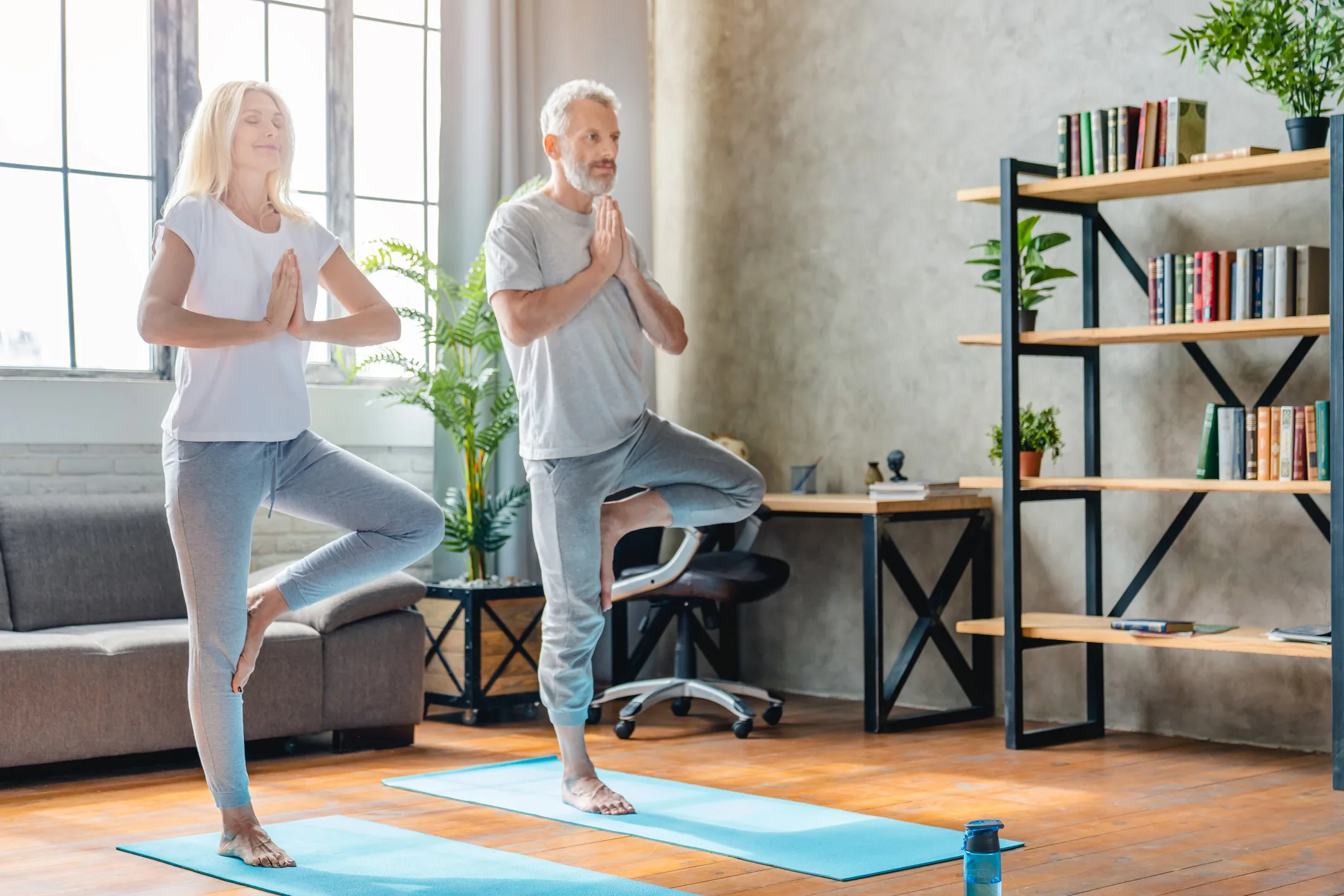
- Enhanced Balance Control: Standing balance improved significantly, with participants extending their One-Legged Stance Test (OLST) by an average of 3.6 seconds.
- High Adherence Rate: Because the barrier to entry was so low, participants successfully completed their daily workouts on 81% of the tracking days, an exceptionally high compliance rate for an unsupervised, home-based exercise program.
Why 60 Seconds of Leg Training Works
From a physiological standpoint, the success of the FAST-2 program relies on the concept of high-yield minimal volume. While traditional national guidelines recommend 30 to 45 minutes of resistance training twice a week, research shows that the vast majority of neuromuscular adaptations and strength gains occur during the very first set of an exercise.
By targeting the lower extremities—specifically the quadriceps, glutes, and hamstrings—daily for a combined 60 to 120 seconds of work, the body initiates rapid neural adaptations. These adaptations improve muscle fiber recruitment and spatial awareness without causing the systemic fatigue, joint pain, or delayed onset muscle soreness (DOMS) often triggered by longer gym sessions.
How to Implement a 4-Minute Routine Safely
Before starting a daily high-yield routine at home, establishing structural safety and progression guidelines is essential to prevent injury.
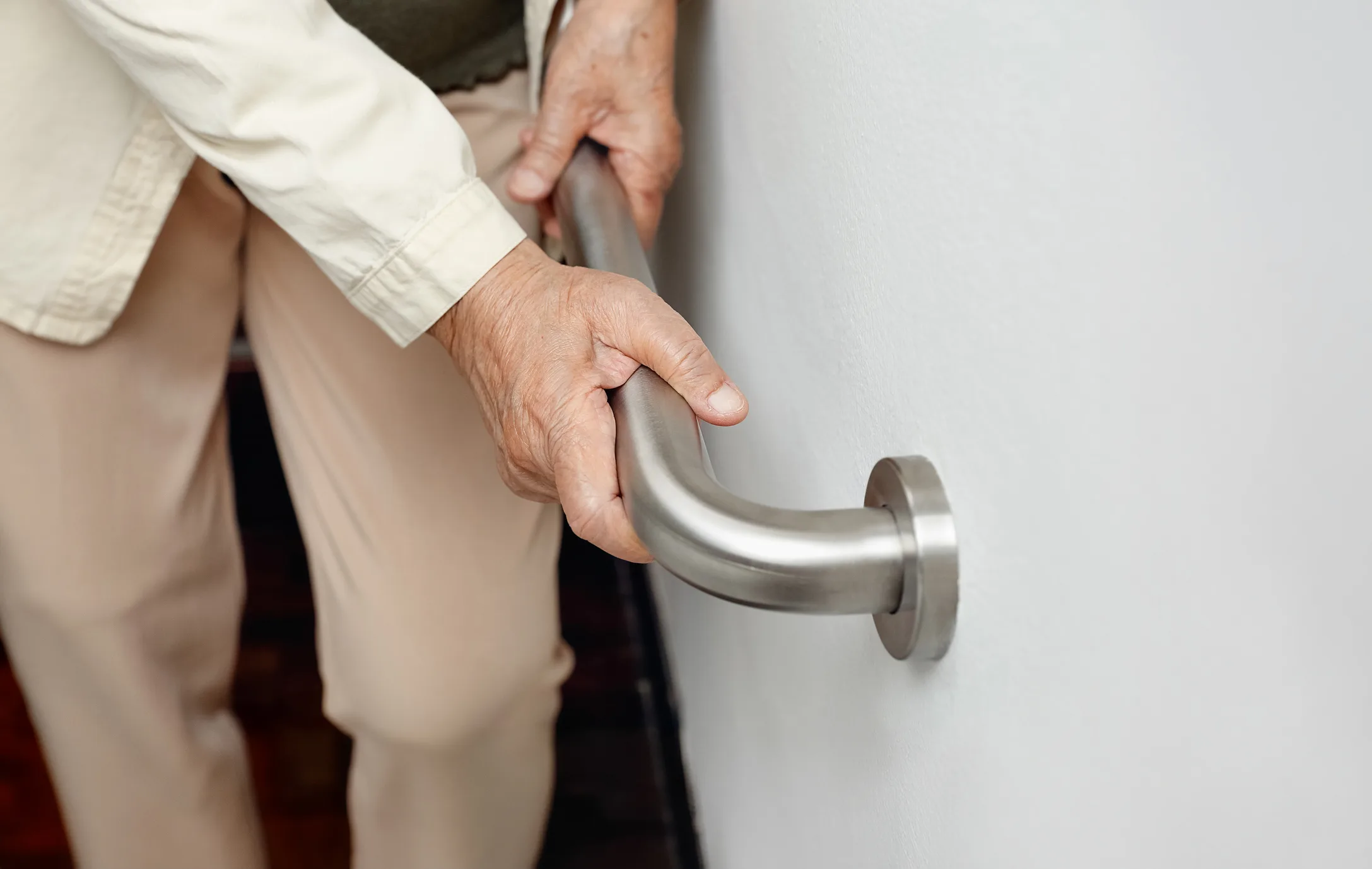
- Prioritize Stability First: When performing lower-body movements like squats or lunges, always place a sturdy, non-slip kitchen chair or a secure countertop within arm’s reach to assist with balance.
- Focus on Time, Not Repetitions: Set a timer for 30 seconds per movement. Perform the exercises at a controlled, steady pace. The goal is consistent movement throughout the interval, not maximum speed.
- Track Incremental Progress: Keep a simple daily log. Over the 12-week period, aim to safely add one or two repetitions within that 30-second window as your baseline strength builds.
- Listen to Mechanical Feedback: Do not push through sharp joint pain. If a specific movement causes discomfort in the knees or hips, modify the depth of the movement (e.g., a shallow squat instead of a deep one) or pause the interval.
Takeaway
Ultimately, the beauty of this new science is that it proves you don’t need to transform into a dedicated triathlete just to walk up the stairs without groaning. By dedicating just four minutes a day to functional movements, you can build the leg strength needed to preserve your independence, protect your joints, and keep up with the grandkids (or at least outrun them when they have sticky hands). So, put down the TV remote, grab a sturdy chair, and dedicate a few moments to your longevity. Your knees, your lower back, and your future self will sincerely thank you.
Source: