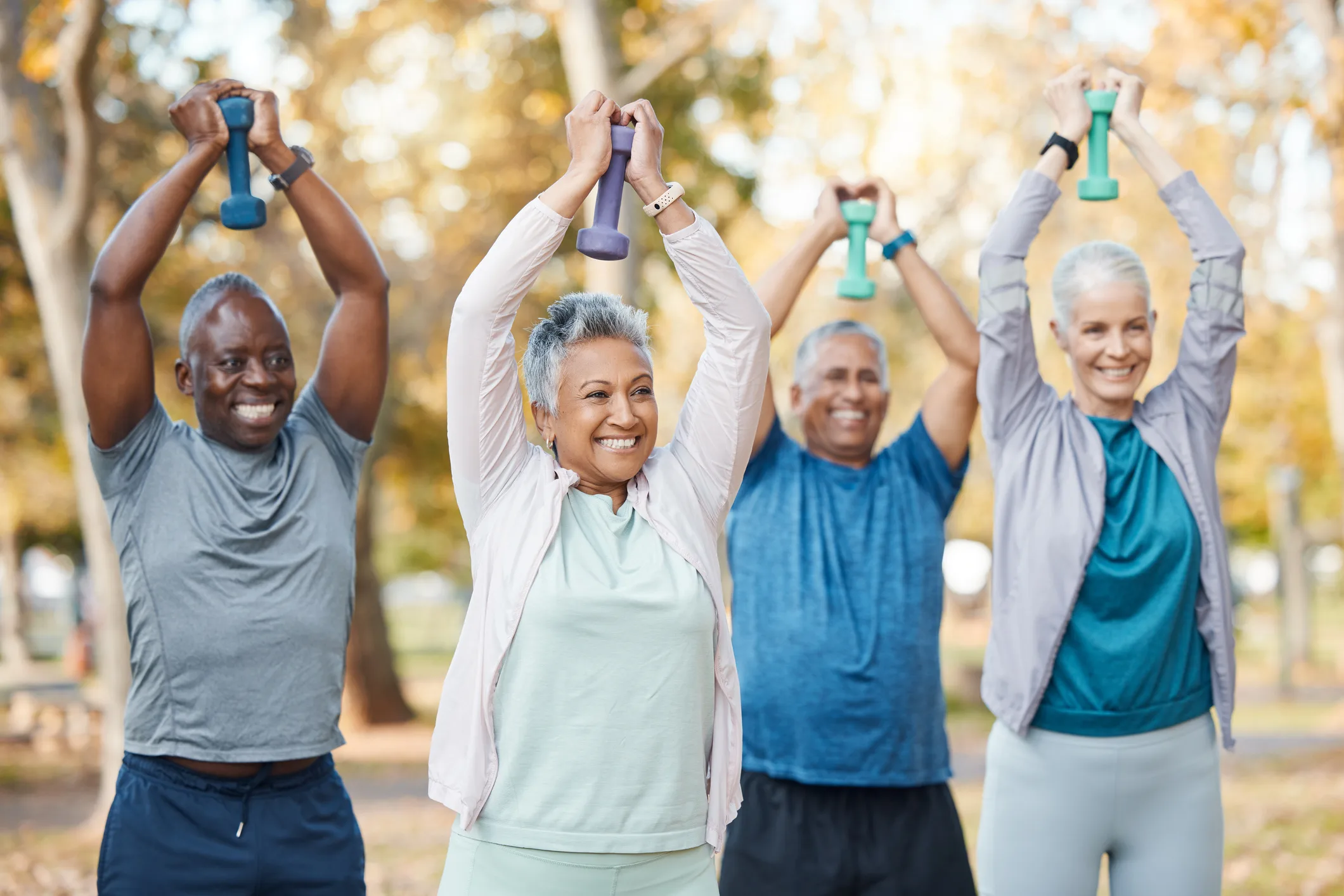
By the time we reach the age where “pulling a muscle” can happen while simply reaching for the good scotch, we tend to get a little skeptical of fitness “revolutions.” We’ve lived through the era of neon leg warmers, the ThighMaster, and that brief, dark period where everyone thought vibrating belts would shake the fat away. Fortunately, the American College of Sports Medicine (ACSM) has finally released its 2026 Position Stand on resistance training, and the news is surprisingly practical. They’ve essentially confirmed what we’ve suspected all along: you don’t need to live at the gym to see results, and you certainly don’t need to dress like a superhero to lift a few weights.
The Science of Simplicity
In the first major update in 17 years, the ACSM synthesized data from 137 systematic reviews involving over 30,000 participants. The overarching conclusion is a victory for the time-strapped and the practical-minded: Consistency beats complexity. While the fitness industry often tries to sell complicated “periodization” schedules and high-tech machines, the data shows that for the average healthy adult, these bells and whistles offer diminishing returns. The most significant health gains occur when an individual moves from doing no resistance training to doing any form of resistance training.
Key Guidelines for Muscle Function and Strength
The 2026 Position Stand provides specific evidence-based variables to help you tailor your routine based on your personal goals. Whether you want to maintain your independence, improve your golf swing, or simply ensure you can lift a carry-on bag into an overhead bin, the following standards apply:
- Frequency: Aim for at least two sessions per week. Engaging all major muscle groups twice weekly is the primary driver for long-term functional strength.
- Strength Development: To maximize voluntary strength, the evidence suggests lifting heavier loads—approximately 80% of your one-repetition maximum (1RM)—for 2 to 3 sets per exercise.
- Muscle Growth (Hypertrophy): If your goal is to maintain or increase muscle mass to combat age-related loss, higher weekly volumes are recommended, ideally reaching about 10 sets per muscle group per week.
- Power and Velocity: Power—the ability to move weight quickly—declines faster than strength as we age. To maintain power, use moderate loads (30–70% 1RM) and focus on moving the weight as quickly as possible during the lifting phase.
Equipment and Technique
One of the most liberating aspects of the 2026 update is the debunking of “gym-only” culture. The research confirms that the type of equipment used is far less important than the effort applied.
- Versatile Tools: Elastic bands, free weights, machines, and even your own body weight are all highly effective for improving physical function and balance.
- Range of Motion: Exercises should be performed through a complete range of motion to maximize strength gains.
- Myth Busting: Training to “momentary muscle failure” (that point where you literally cannot do another repetition) is not necessary for general health and functional benefits.
- Functional Outcomes: Regular resistance training has been shown to significantly improve gait speed, balance, and the ability to climb stairs—the literal “building blocks” of maintaining independence in your 60s, 70s, and beyond.
Why It Matters: The Long-Term View
Beyond just looking better in a polo shirt, resistance training is a critical clinical intervention. It is a powerful tool for managing and preventing chronic conditions such as cardiovascular disease, Type 2 diabetes, and even depression. For those over 50, “active aging” is no longer just a buzzword; it is a measurable outcome of maintaining skeletal muscle mass. The 2026 guidelines emphasize that the best program is the one you will actually do.
In short, the ACSM is giving us permission to stop overthinking it. You don’t need to master the “perfect” complex training plan or learn the secrets of a Bulgarian powerlifter. Just pick up something heavy a few times a week and keep doing it.
Source: