Do you have what it takes to pass the Air Force Fitness Test? While most airmen have retired from the Air Force by the time they reach 50, there are a handful (around 4%) that are still active duty. In an effort to keep up with the times, the Air Force has finally realized that asking a 50-year-old to move with the same frantic energy as a caffeinated 19-year-old is both biologically optimistic and medically questionable. We’ve traded the era of one-size-fits-all suffering for a new age of “choose your own adventure”—provided that adventure still involves sweat and a high-visibility vest.
Understanding the New Fitness Tier System
The Air Force has transitioned to a more nuanced approach to physical readiness, moving away from universal standards that failed to account for the physiological changes associated with aging. For those of us in the 50-plus demographic, the updated scoring and event options are designed to maintain operational readiness while acknowledging the increased risk of musculoskeletal injuries that come with decades of service.
The current system utilizes a two-tiered approach to standards:
- Tier I (Health-Based): These standards focus on reducing long-term health risks and fostering a sustainable fitness culture.
- Tier II (Occupation-Specific): These are designed for specific Air Force Specialty Codes (AFSCs) to ensure members can perform the physical tasks required by their specific roles.
New Event Options for the 50+ Demographic
Perhaps the most significant change is the introduction of alternative components. You are no longer tethered exclusively to the traditional “push-up, sit-up, run” trifecta. This flexibility is particularly beneficial for older Airmen who may have localized joint issues or chronic injuries.
Cardiovascular Alternatives
While the 1.5-mile run remains the gold standard, Airmen can now opt for:
- The 20-Meter Shuttle Run (HAMR): A progressive aerobic cardiovascular endurance test. It involves running back and forth between two points, with the pace increasing at set intervals.
- Point Strategy: For the 50-59 age group, the shuttle run allows for a different pacing strategy that may favor those with better interval endurance over long-distance stamina.
Strength and Core Flexibility
The Air Force has moved beyond the traditional sit-up, recognizing that spinal health is paramount for career longevity.
- Hand-Release Push-ups: These ensure a full range of motion and may be preferred by those looking to avoid the “bouncing” momentum of traditional repetitions.
- Cross-Leg Reverse Crunch: An alternative to the traditional sit-up that places less strain on the lower back.
- The Forearm Plank: Replacing the two-minute sit-up for many, the plank measures core stability. For the over-50 crowd, holding a solid plank is often a more accurate measure of the functional strength needed for daily operations than repetitive trunk flexion.
Scoring and Age-Specific Tiers
Scoring is now broken down into five-year age brackets rather than the previous ten-year spans. This allows for a more gradual and fair decline in minimum requirements. For example, the requirements for a 51-year-old are now distinct from those of a 59-year-old, reflecting the reality that a lot can change in nearly a decade.
- Composite Scoring: The test remains on a 100-point scale.
- Exemptions: Physical therapists and medical providers can now more easily recommend specific component exemptions without invalidating the entire test, provided the Airman can still meet the requirements of their primary specialty.
Scoring Levels for Ages 50 and Older
Scoring is now broken down into five-year age brackets (e.g., 50-54 and 55-59) to allow for a more gradual and fair adjustment of requirements. To pass, an Airman must achieve a composite score of at least 75 points and meet the minimum requirements for each individual component.
Targets for Men (Ages 50–54)
- 1.5-Mile Run: Maximum points (60) are awarded for a time of 10:37 or faster. The minimum passing time is approximately 16:22.
- Push-ups: Max points (20) require 44 or more reps in one minute. The minimum is 15 reps.
- Sit-ups: Max points (20) require 46 or more reps in one minute. The minimum is 28 reps.
- Forearm Plank: For those choosing this option, the maximum score typically requires holding the position for approximately 3 minutes and 10 seconds.
Targets for Women (Ages 50–54)
- 1.5-Mile Run: Maximum points are awarded for a time of 11:38 or faster. The minimum passing time is approximately 19:43.
- Push-ups: Max points require 37 or more reps. The minimum is 8 reps.
- Sit-ups: Max points require 35 or more reps. The minimum is 14 reps.
- Forearm Plank: Maximum points typically require a hold of approximately 3 minutes and 5 seconds.
Training Recommendations for Mature Airmen
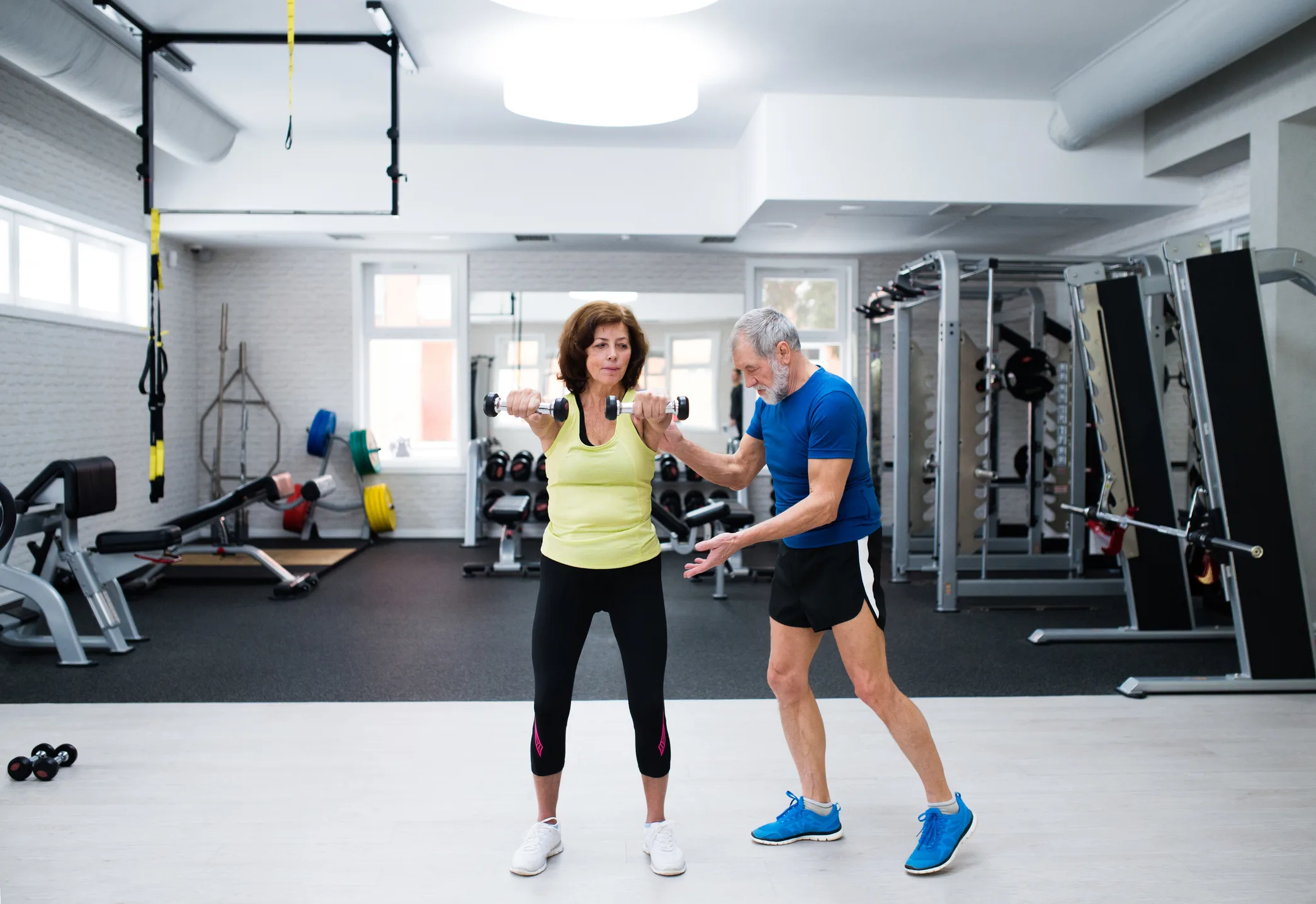
As we age, the focus of training must shift from maximum intensity to maximum consistency. Data indicates that for individuals over 50, training sessions should prioritize:
- Resistance Training: 2 to 3 days per week to combat age-related muscle loss (sarcopenia).
- Repetition Ranges: Experts recommend 10 to 15 repetitions at a lower intensity rather than heavy, low-rep sets to protect joint integrity.
- Low-Impact Cardio: Incorporating swimming or cycling to maintain heart health without excessive joint strain.
- Recovery: Ensuring at least 48 hours of rest between intense muscle group workouts to allow for slower tissue repair.
Takeaway
In short, the Air Force is finally letting us work smarter, not just harder. We may not be the fastest ones on the track anymore, but these new options mean we can stay “Fit to Fight” without needing a literal heating pad strapped to our backs for the following three days. So, go forth and plank—just try not to groan too loudly; it scares the lieutenants.
Source:
What Does It Take to Ace the New Air Force Fitness Test?
Air Force Personnel Center. (n.d.). Fitness program. U.S. Air Force.