2 MIN. READ

Are Protein Powders Necessary For Older Adults?

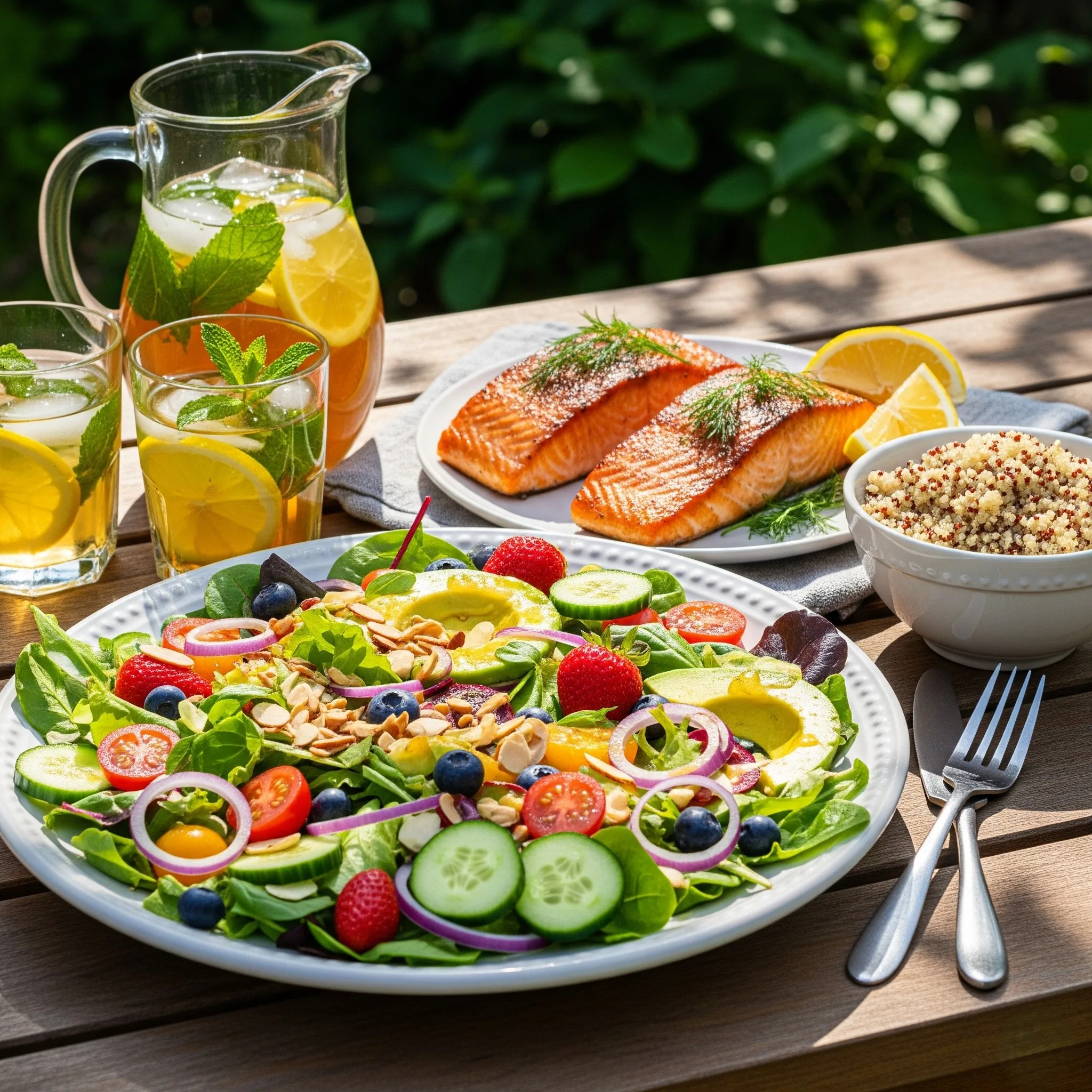
A recent The New York Times article took a look at protein powders and if they are necessary as a dietary supplement. After speaking to various nutritional experts in academia, it was concluded that the “vast majority” of people do not need to supplement their diet with protein powder since the food they should be eating already contain the necessary protein requirements. If you are eating foods like fish, lean meats, yogurt, cottage cheese, eggs, nuts, beans and lentils you are generally getting more than enough protein.

Federal guidelines recommend 0.36 grams of protein per pound of body weight a day for adults 19 years old and over. That means if you’re a 150-pound adult, you need about 54 grams of protein or 72 grams for an adult weighing 200 pounds. A scoop of protein powder generally contains 20 grams of protein, which is the equivalent of ½ cup of diced chicken breast or ¾ cup of nonfat Greek yogurt. So, if you are eating properly throughout the day, you should be getting enough protein.

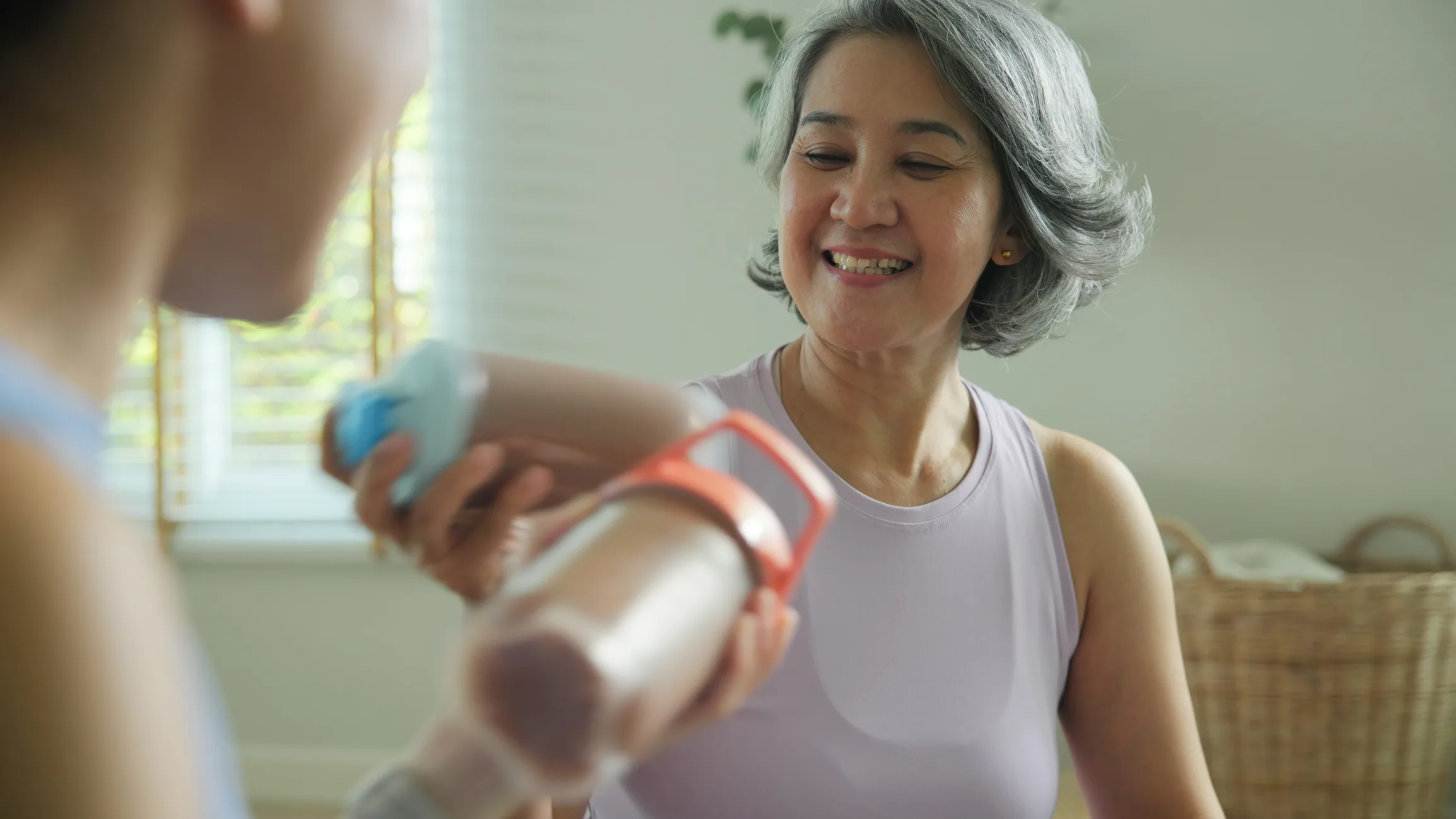
This changes, however, once you pass the age of 70. Older adults generally need fewer calories and have reduced appetites. So, if you are in this demographic and trying to maintain your muscle mass, protein powder supplements will help. But you have to also maintain a well-designed strength training program. Simply consuming protein powder alone will not do the trick.

What Type of Protein Powder Should You Take?

Prefer those with a seal from a third-party lab like NSF or U.S. Pharmacopeia. Also, avoid powders with sugars, artificial sweeteners or emulsifiers, such as lecithin or xanthan gum.

Protein Powders made of whey (milk) are rapidly digested and contain “complete” proteins — meaning it contains enough of the nine essential amino acids, or building blocks to create new proteins in your body. They are also backed by the most research.

Simply put, the simpler the better.


Source:

Is Protein Powder a Scam? – The New York Times

Share the Post:

Active Aging News

Weekly Newsletter

RELATED NEWS

Vitamin D illuminated by the rays of the sun on grass. Sunlight is an excellent source of this nutrient that strengthens the immune system

The Sunny Secret to Staying Young: A Harvard Study on Vitamin D

senior couple cooking dinner at home in Latin America

What You Eat in Your 40s-60s Impacts Health at Age 70

2025-2030 USDA dietary guidelines for Americans

The “No-Brainer” Diet: Why the Government Finally Flipped the Food Pyramid

Powder of turmeric, cinnamon and ginger

Navigating the Health Benefits of Common Spices (and What to Watch Out For)

An elderly woman who woke up in the middle of the night from a nightmare or panic attack lies curled up on her bed in her bedroom, frightened

Dinner and Demons: Does What You Eat Affect Your Dreams?

OTHER STORIES

Smartwatch health check with digital system on modern virtual screen. Wristwatch brain monitor checking for tracking health condition. Healthcare, Medical technology and futuristic concept.

Retire Your Old Excuses: Introducing the AI Coach That Actually Understands Your Wearable Data

Elderly woman undergoing CT scan with laser alignment markers

A New Brain Scan Can Reveal How Fast You’re Aging

The Specialist electrical engineer communicated with the team via walkie-talkie at night against the light of bokeh in the background

The Unseen Toll: How Shift Work May Accelerate Aging

Dropping essential oil or herbal tincture into a glass bottle.

Aromatherapy’s Gentle Secret for Aging Well

BOSU Ball vs Power Plate

BOSU Ball vs. Power Plate: Which Is Better?

Older man with ALS in wheel chair being helped by nurse

New Hope in ALS: Scientist Discover an Internal Anti-Inflammatory Resistor To Slow ALS

[chatbot style="floating"]

Please enter your email to access your profile