2 MIN. READ

Are Protein Powders Necessary For Older Adults?

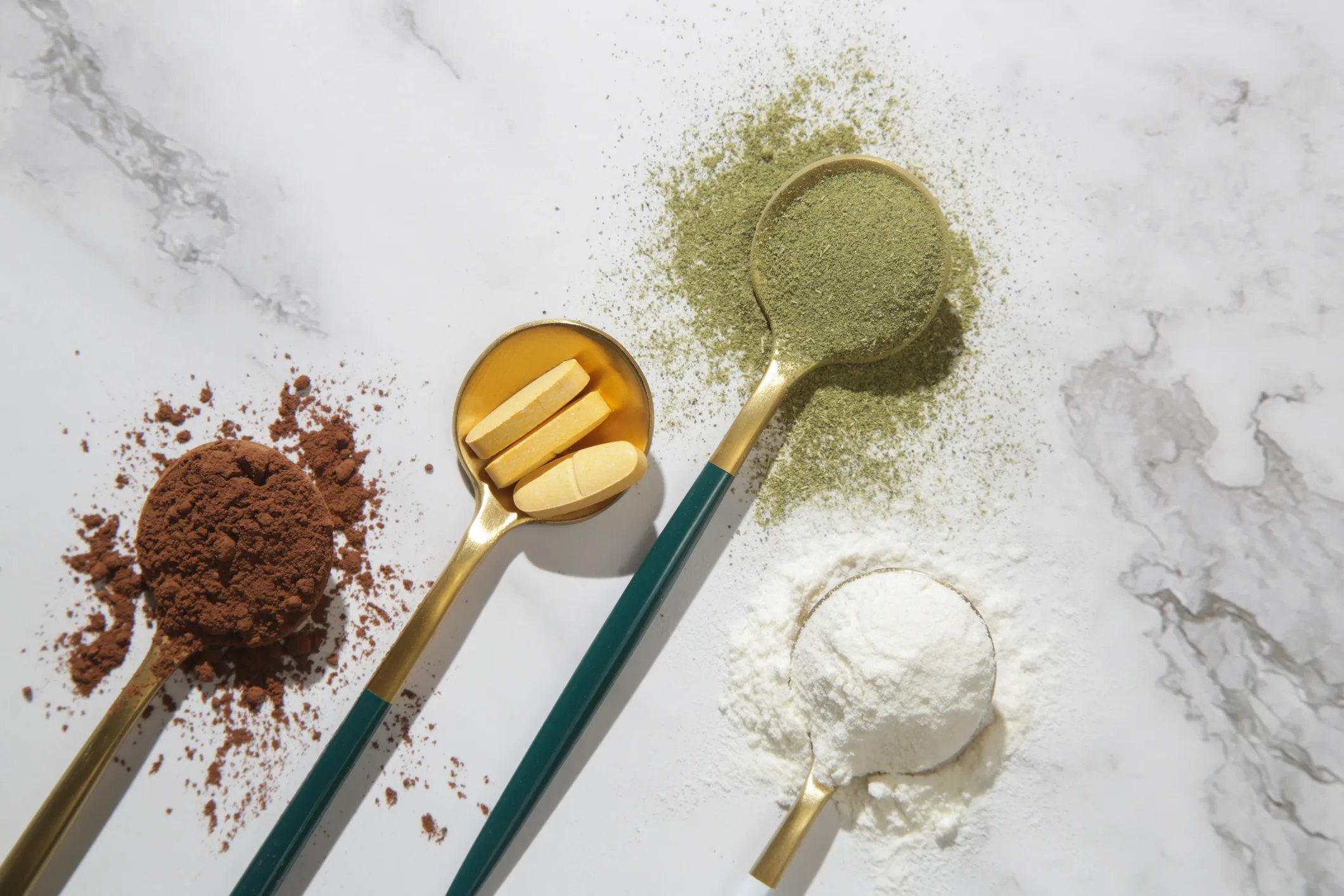
A recent The New York Times article took a look at protein powders and if they are necessary as a dietary supplement. After speaking to various nutritional experts in academia, it was concluded that the “vast majority” of people do not need to supplement their diet with protein powder since the food they should be eating already contain the necessary protein requirements. If you are eating foods like fish, lean meats, yogurt, cottage cheese, eggs, nuts, beans and lentils you are generally getting more than enough protein.

Federal guidelines recommend 0.36 grams of protein per pound of body weight a day for adults 19 years old and over. That means if you’re a 150-pound adult, you need about 54 grams of protein or 72 grams for an adult weighing 200 pounds. A scoop of protein powder generally contains 20 grams of protein, which is the equivalent of ½ cup of diced chicken breast or ¾ cup of nonfat Greek yogurt. So, if you are eating properly throughout the day, you should be getting enough protein.

This changes, however, once you pass the age of 70. Older adults generally need fewer calories and have reduced appetites. So, if you are in this demographic and trying to maintain your muscle mass, protein powder supplements will help. But you have to also maintain a well-designed strength training program. Simply consuming protein powder alone will not do the trick.

What Type of Protein Powder Should You Take?

Prefer those with a seal from a third-party lab like NSF or U.S. Pharmacopeia. Also, avoid powders with sugars, artificial sweeteners or emulsifiers, such as lecithin or xanthan gum.

Protein Powders made of whey (milk) are rapidly digested and contain “complete” proteins — meaning it contains enough of the nine essential amino acids, or building blocks to create new proteins in your body. They are also backed by the most research.

Simply put, the simpler the better.


Source:

Is Protein Powder a Scam? – The New York Times

Share the Post:

Active Aging News

Weekly Newsletter

RELATED NEWS

Chilled Cucumber and Avocado Soup

Beat the Heat with Refreshing Chilled Cucumber and Avocado Soup

Different types of dietary supplements forhealth and beauty - collagen, vitamins, biotin, protein in pills and powder form

Moving Beyond Protein: How 7 Overlooked Nutrients Supercharge Strength in Older Adults

The man replaces his meals with water. Intermittent fasting concept, top view

Intermittent Fasting: Worth a Try?

varieties of salads in front of white background

The 50+ Guide to Leafy Longevity: Which Lettuce Packs the Most Punch?

2025-2030 USDA dietary guidelines for Americans

The “No-Brainer” Diet: Why the Government Finally Flipped the Food Pyramid

OTHER STORIES

A new study speculates the chicken pox virus can reactivate a dormant herpes infection, leading to the development of Alzheimer's disease

Could Shingles Trigger Alzheimer’s? A Viral Connection Revealed

woman wearing a weighted vest

Gravity’s New Enemy: Why Adults Over 60 Are Strapping on Weighted Vests

Elderly woman undergoing CT scan with laser alignment markers

A New Brain Scan Can Reveal How Fast You’re Aging

Portrait of happy retired senior man standing at home near window. Satisfied old man in casual clothes looking at camera and smiling while standing near the window. Positive and confident elderly enjoy his retirement at care facility.

Wisdom Over Willpower: Habits to Retire After 65

Great-grandmother in the garden

The Century Club: What 100-Year-Olds Can Teach Us About the Fountain of Youth

Group of happy senior friends talking while having a meal at dining table.

The Longevity Plate: The 3 Nutrition Rules for Protecting Your Muscle and Your Mind After 50

[chatbot style="floating"]

Please enter your email to access your profile