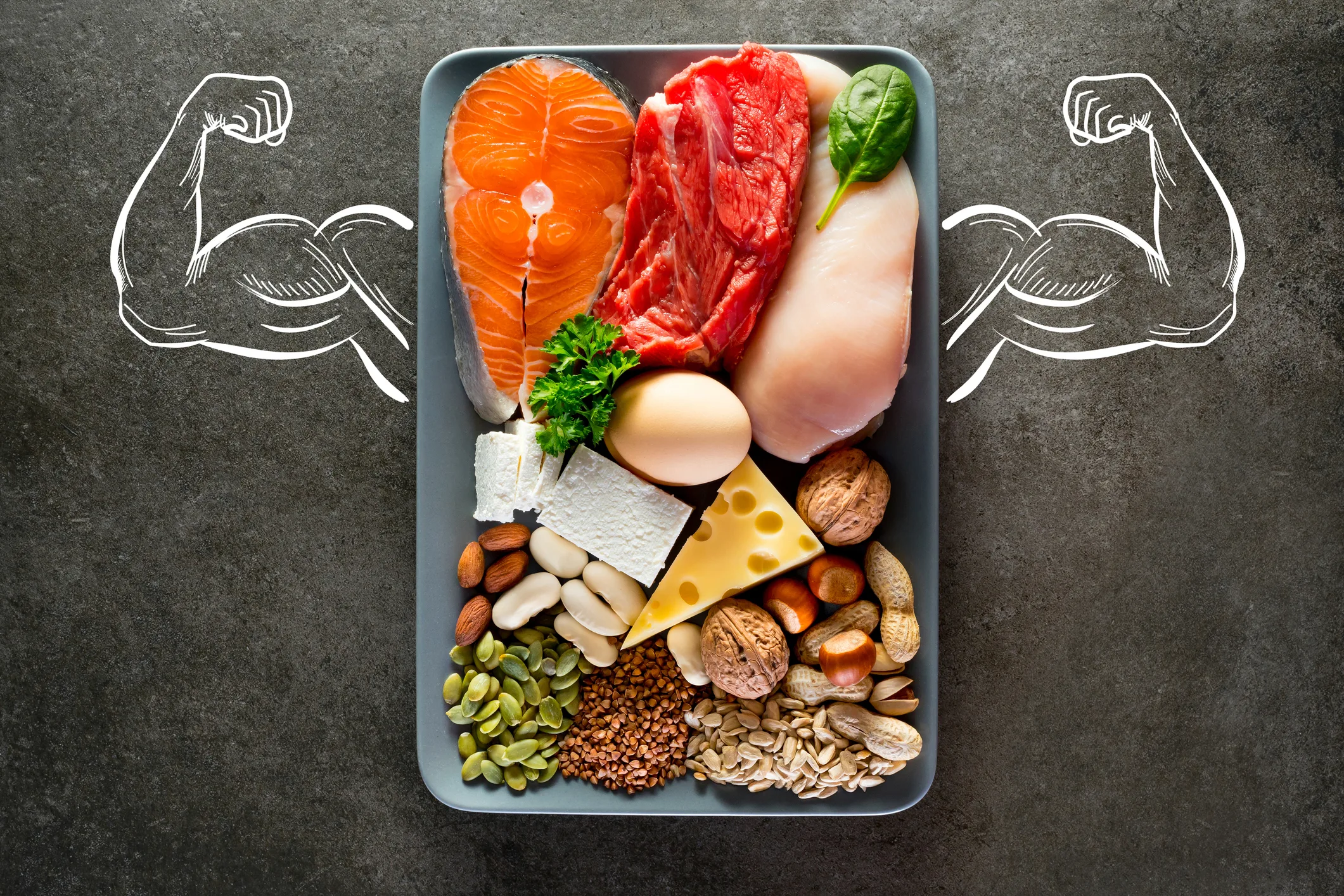
A recent The New York Times article took a look at protein powders and if they are necessary as a dietary supplement. After speaking to various nutritional experts in academia, it was concluded that the “vast majority” of people do not need to supplement their diet with protein powder since the food they should be eating already contain the necessary protein requirements. If you are eating foods like fish, lean meats, yogurt, cottage cheese, eggs, nuts, beans and lentils you are generally getting more than enough protein.
Federal guidelines recommend 0.36 grams of protein per pound of body weight a day for adults 19 years old and over. That means if you’re a 150-pound adult, you need about 54 grams of protein or 72 grams for an adult weighing 200 pounds. A scoop of protein powder generally contains 20 grams of protein, which is the equivalent of ½ cup of diced chicken breast or ¾ cup of nonfat Greek yogurt. So, if you are eating properly throughout the day, you should be getting enough protein.
This changes, however, once you pass the age of 70. Older adults generally need fewer calories and have reduced appetites. So, if you are in this demographic and trying to maintain your muscle mass, protein powder supplements will help. But you have to also maintain a well-designed strength training program. Simply consuming protein powder alone will not do the trick.
What Type of Protein Powder Should You Take?
Prefer those with a seal from a third-party lab like NSF or U.S. Pharmacopeia. Also, avoid powders with sugars, artificial sweeteners or emulsifiers, such as lecithin or xanthan gum.
Protein Powders made of whey (milk) are rapidly digested and contain “complete” proteins — meaning it contains enough of the nine essential amino acids, or building blocks to create new proteins in your body. They are also backed by the most research.
Simply put, the simpler the better.
Source: