Remember when the height of culinary sophistication was a wedge of iceberg lettuce drenched in thousand island dressing? We’ve come a long way since those days, and frankly, our digestive systems are probably grateful for it. As we reach the “golden years”—a term clearly coined by someone who didn’t have to deal with modern technology or the mysterious morning ache in their left knee—we start to realize that what we put in our bodies matters more than ever. It’s time to move beyond the pale, watery crunch of the 70s and explore the vibrant, nutrient-dense world of greens that can actually help us stay as sharp and sturdy as we feel (on our good days).
Understanding the Four Main Lettuce Families
Before you head to the produce aisle, it is helpful to understand how botanists and chefs categorize these greens. Lettuce is generally divided into four primary categories, each offering a different structural integrity and nutritional profile:
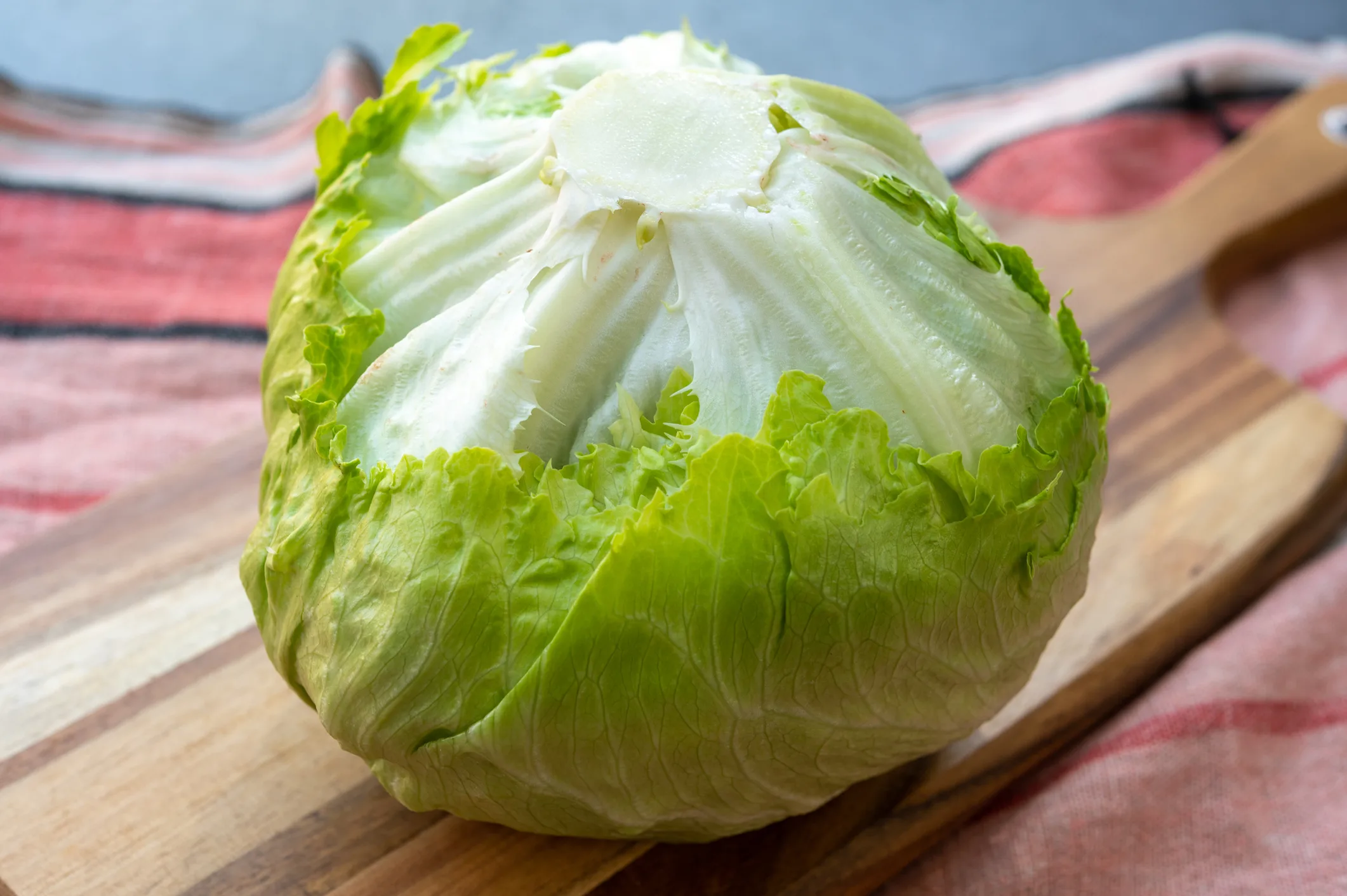
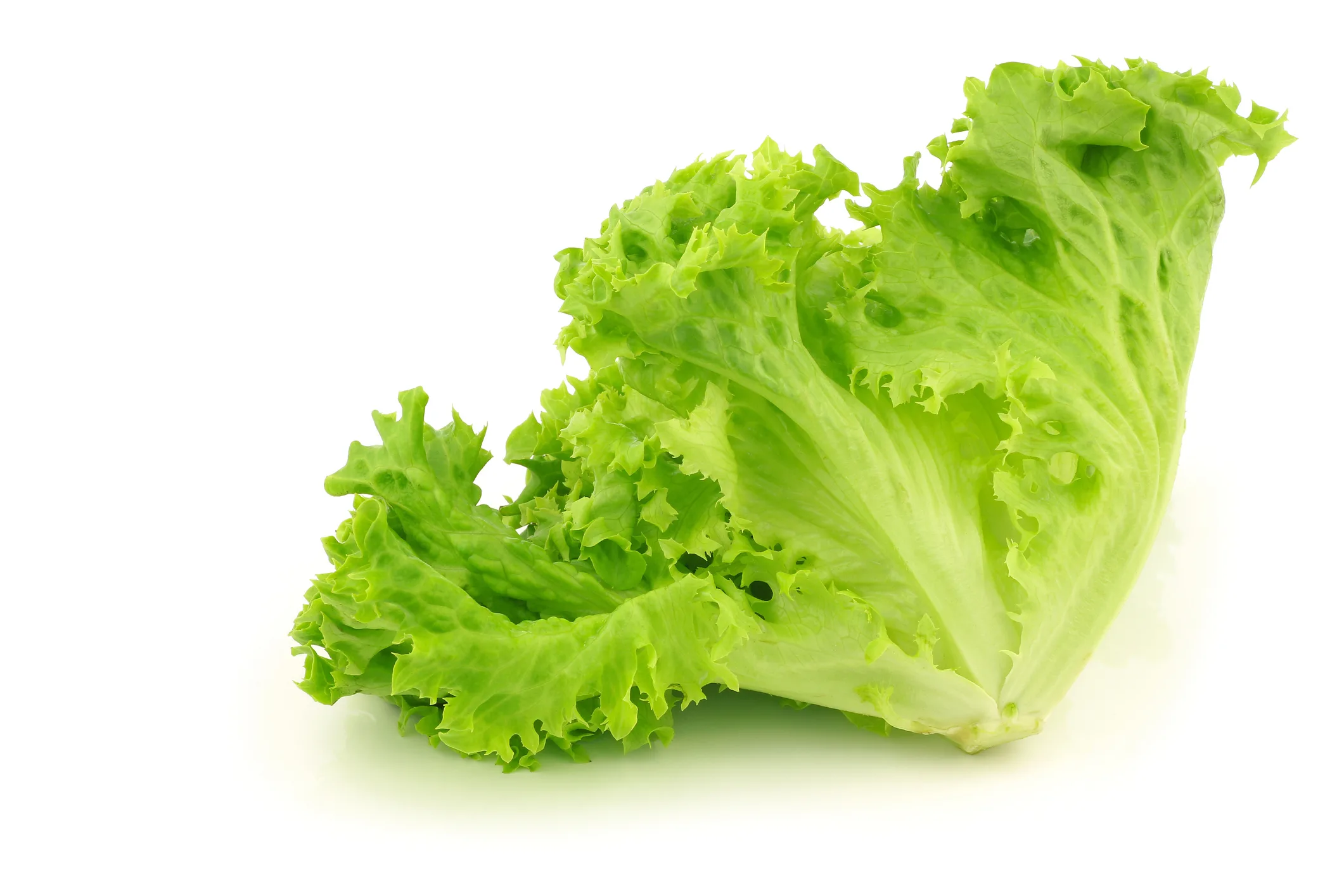
- Crisphead: The most famous of these is Iceberg. Known for its high water content and tight, cabbage-like shape, it offers a satisfying crunch but is the least nutrient-dense.
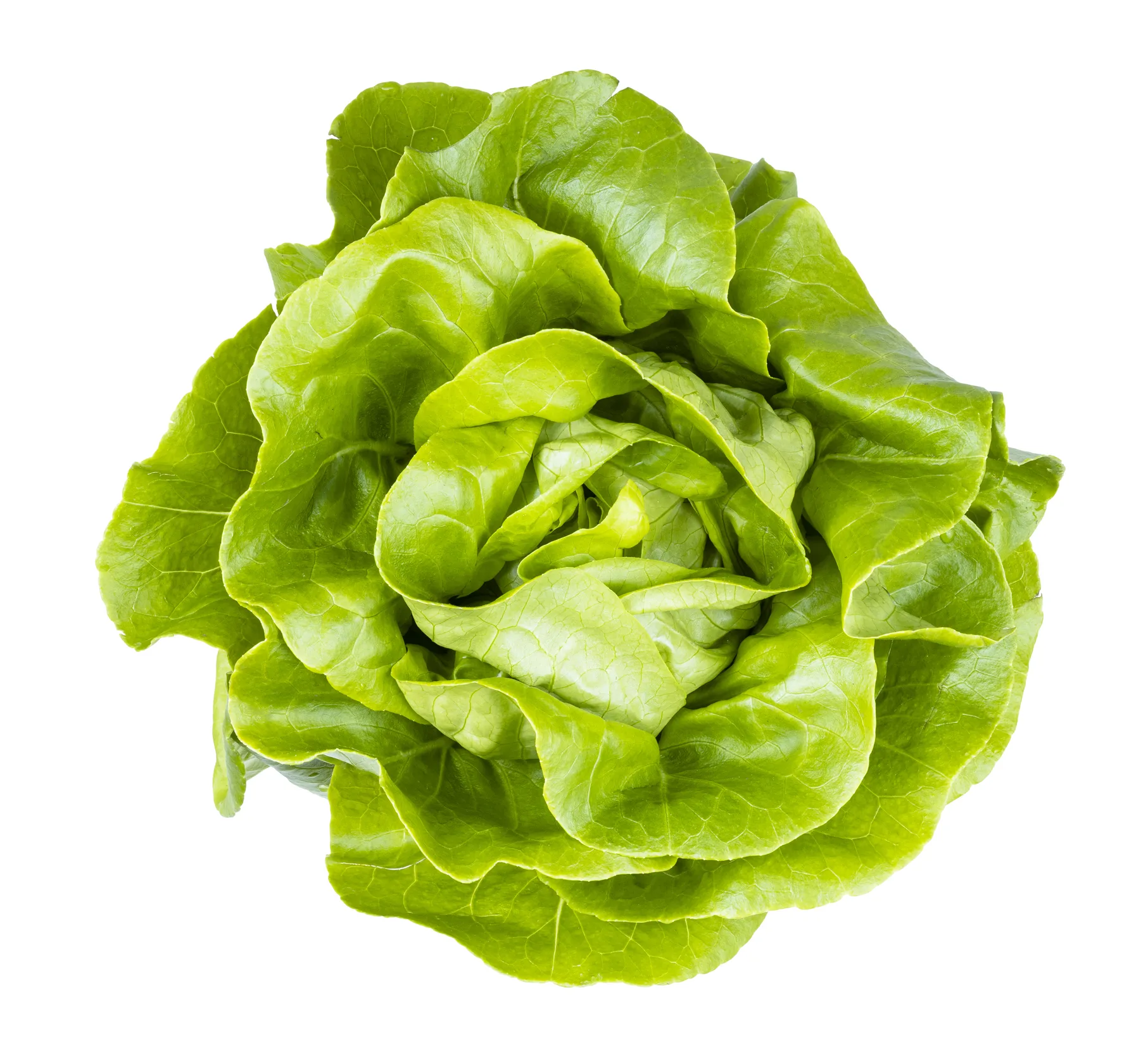
- Butterhead: Varieties like Bibb and Boston fall here. These have soft, pliable leaves with a mild, buttery flavor and are excellent for those with sensitive digestion.
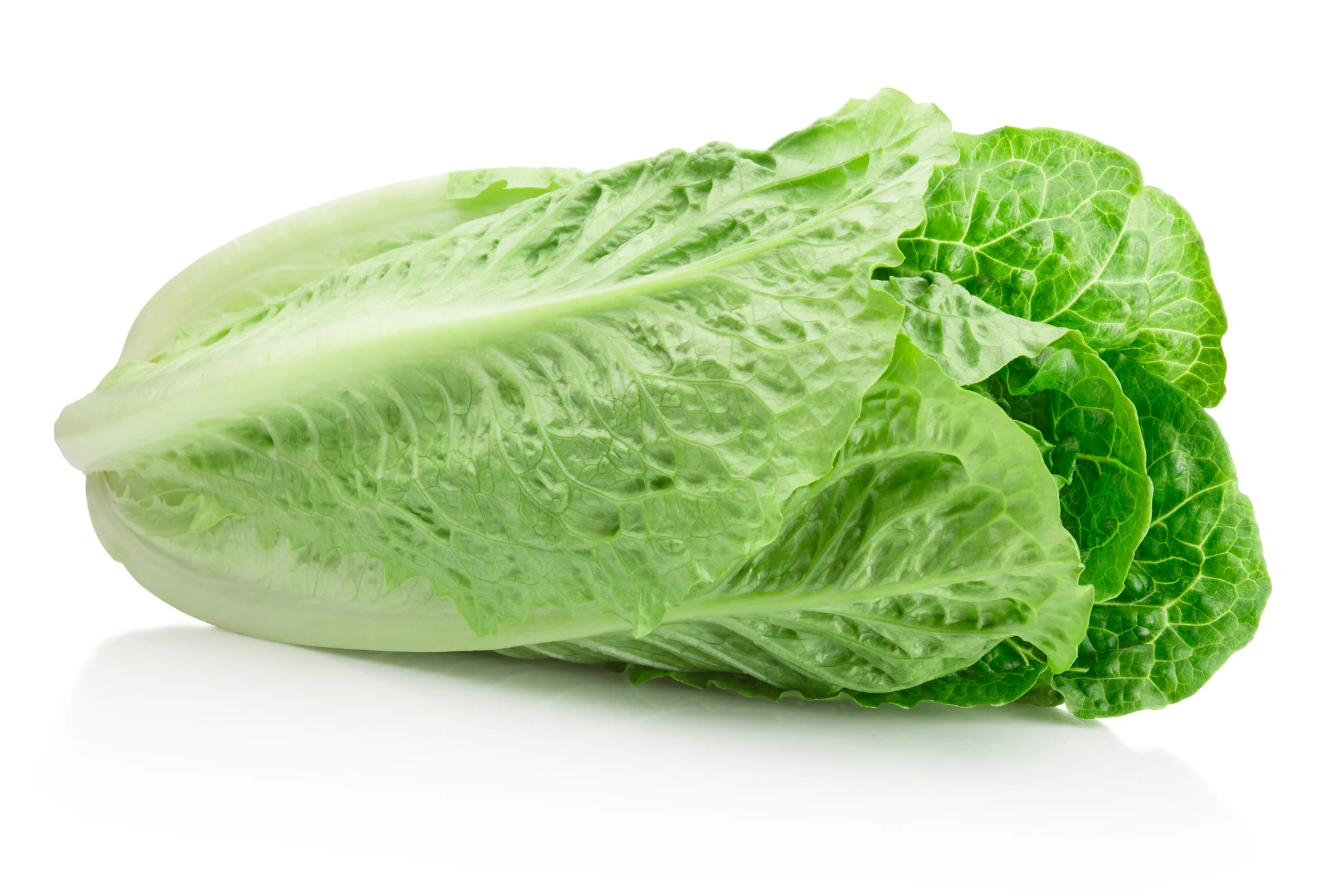
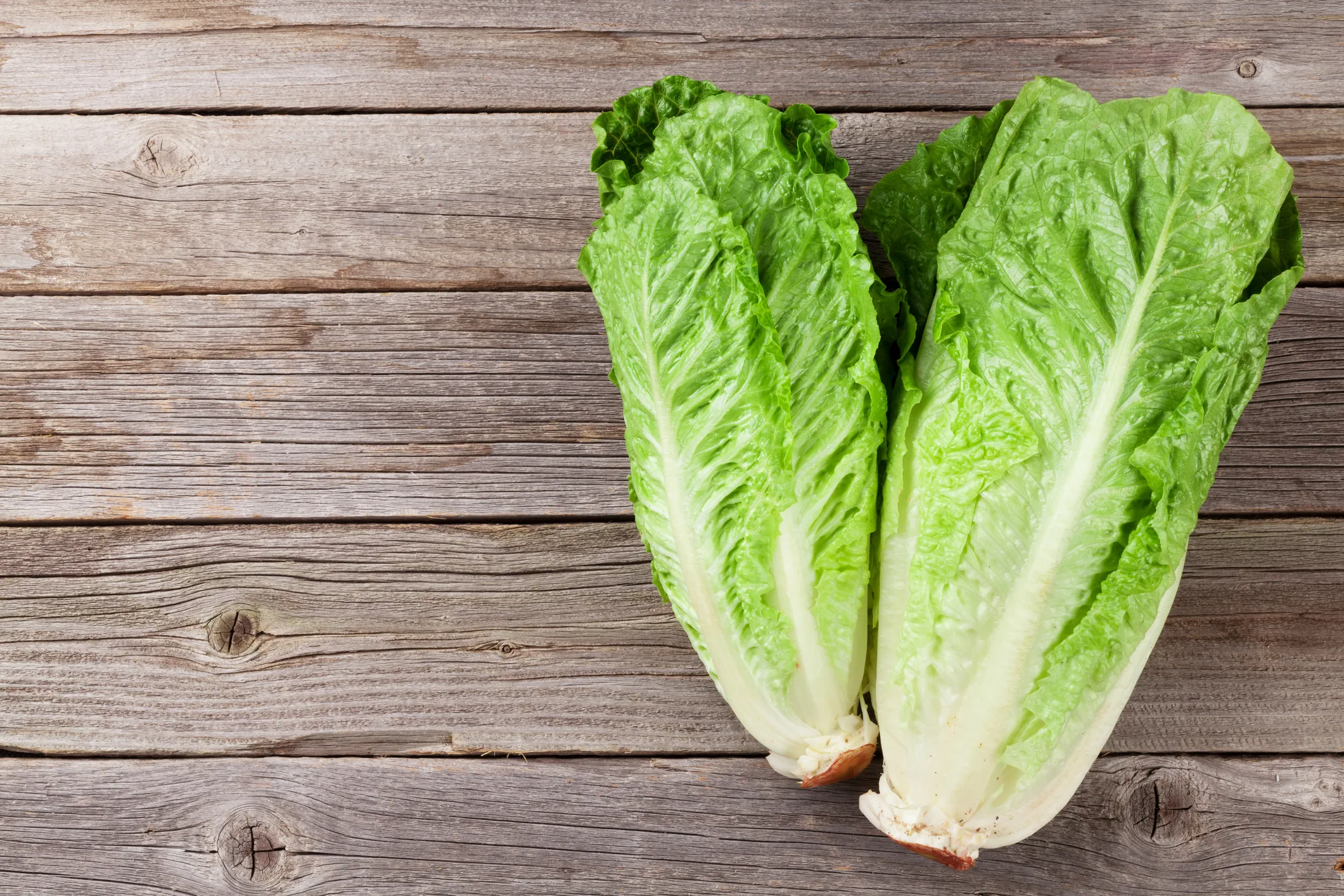
- Romaine (Cos): Characterized by long, sturdy stalks and upright leaves, Romaine is the “workhorse” of the lettuce world, providing a balance of fiber and vitamins.
- Loose-leaf: These do not form a tight head. Instead, they grow in clusters of individual leaves, such as Red Leaf or Green Leaf lettuce.
Profiles of Nutrient-Dense Varieties
To maximize the health benefits of your salads, consider incorporating these specific varieties into your weekly rotation:
- Romaine: This is a powerhouse of Vitamin K, Vitamin A, and folate. Because of its sturdy rib, it is one of the few lettuces that can be grilled or used as a sturdy wrap for lean proteins.
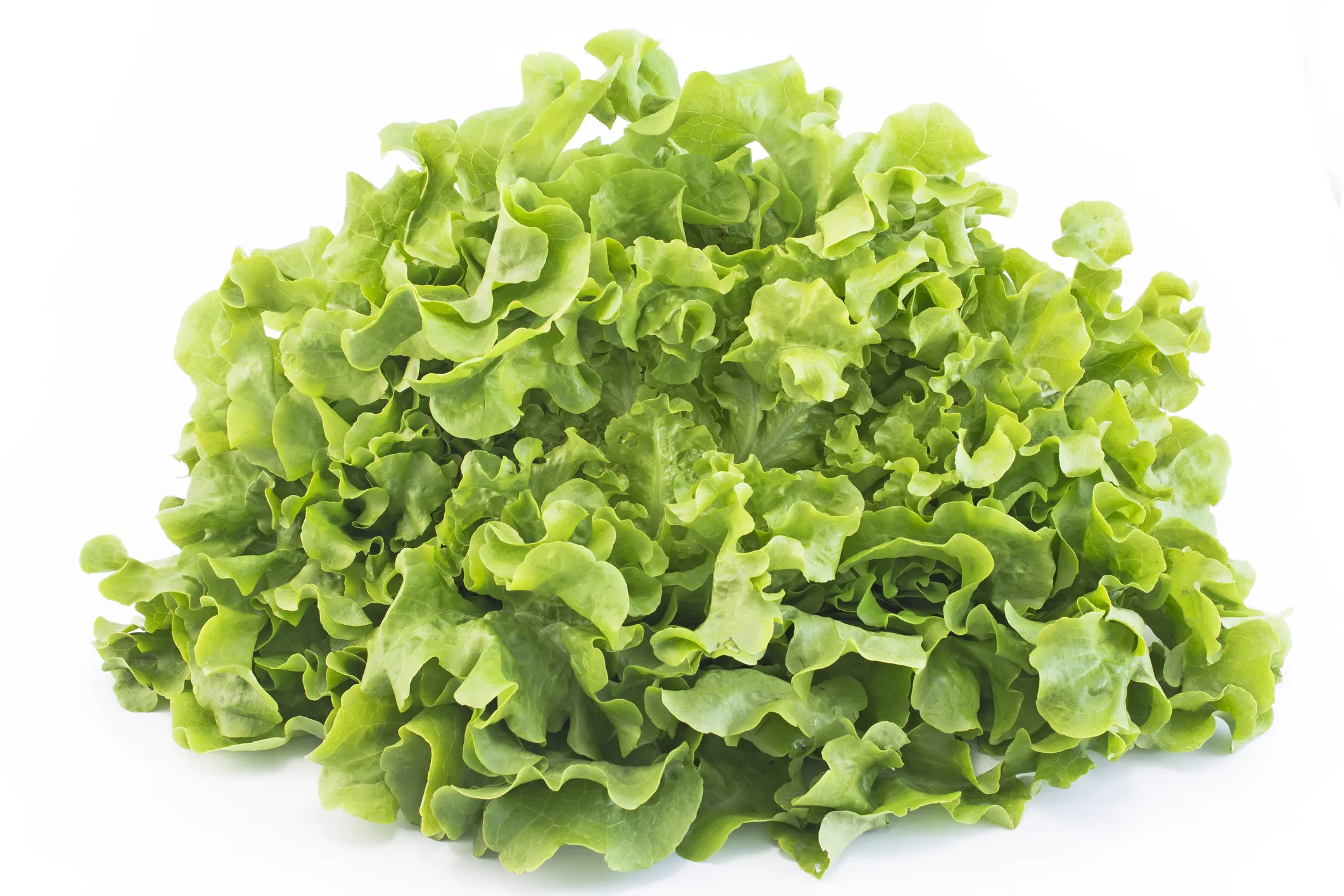
- Oak Leaf: A member of the loose-leaf family, Oak Leaf lettuce comes in both red and green. Its leaves are deeply lobed and tender, offering a delicate texture that pairs well with light vinaigrettes.
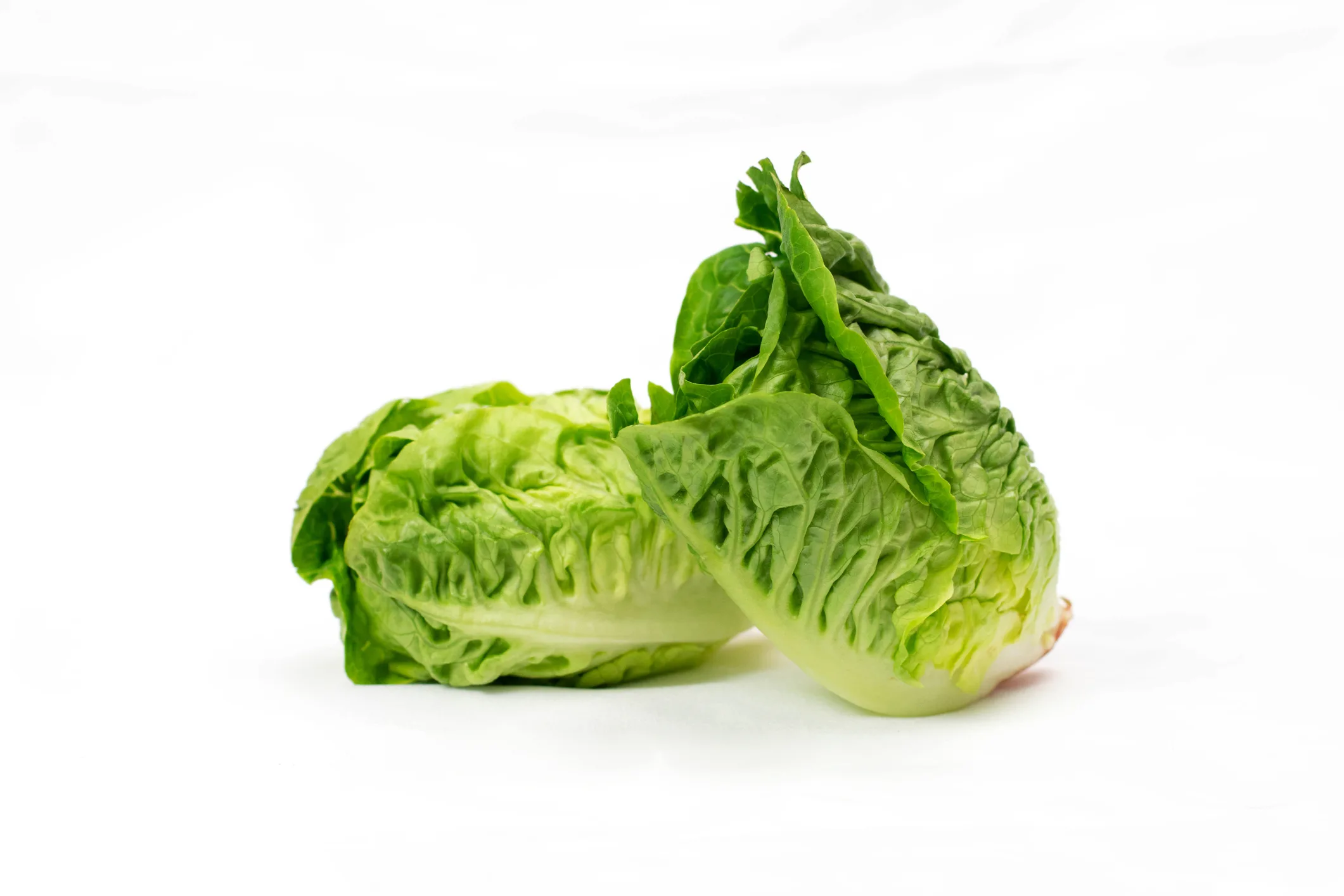
- Little Gem: A cross between Romaine and Butterhead, Little Gem provides the crunch of Romaine with the sweetness of Butterhead. It is small enough to be served in halves or quarters, making it an elegant choice for dinner parties.
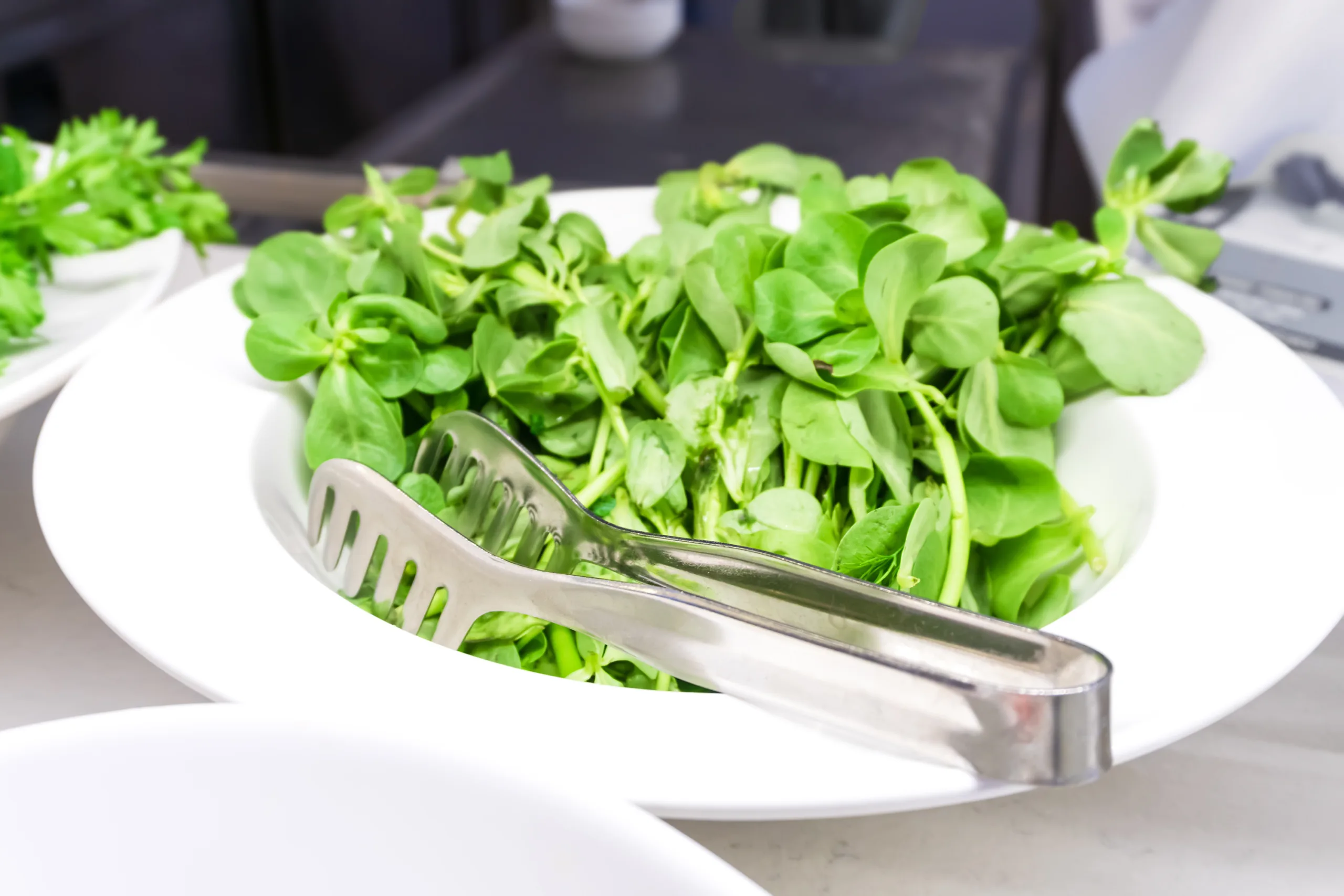
- Mâche (Lamb’s Lettuce): This variety features small, velvety green rosettes. It has a slightly nutty flavor and is rich in omega-3 fatty acids, which are crucial for heart and brain health as we age.
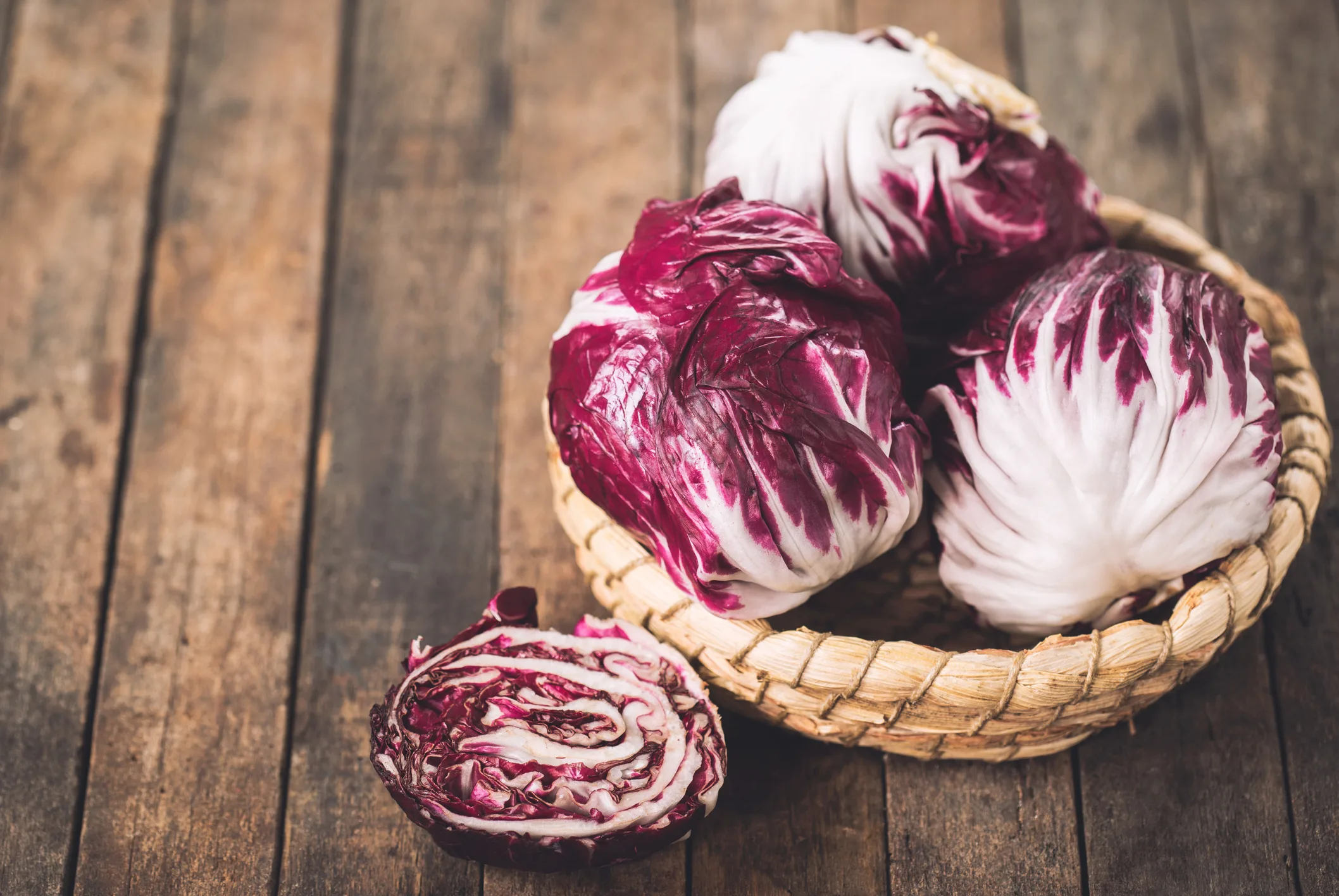
- Radicchio: While technically a chicory, it is often grouped with lettuces. Its deep purple hue indicates high levels of antioxidants, which help combat cellular inflammation.
Culinary Applications and Preparation
Selecting the right lettuce is only half the battle; proper preparation ensures you get the most flavor and longevity out of your produce.
- Washing and Drying: To prevent wilting, wash your greens in cold water and use a salad spinner to remove excess moisture. Wet leaves will repel oil-based dressings, leading to a soggy salad.
- Storage: Store cleaned and dried leaves in a container lined with a paper towel to absorb residual moisture. This can extend the life of your greens by up to a week.
- Pairing: Match the “weight” of your lettuce to your dressing. Delicate leaves like Mâche or Oak Leaf require light oils and vinegars. Heartier greens like Romaine can handle creamy dressings, nuts, and heavy vegetables.
Wrapping It Up
So, while we might not be able to sprint like we used to, our salad bowls can certainly work harder for us. Trading in that old-school iceberg for a sophisticated Oak Leaf or a robust Romaine isn’t just about being “fancy”—it’s about giving our bodies the fuel they need to keep us going through retirement, travel, and the occasional battle with the “smart” thermostat. After all, if we have to eat our greens, they might as well have a bit of personality. Now, if only someone could invent a lettuce that helps us remember where we left our glasses, we’d really be onto something.
Source:
Beyond Iceberg: The Best Types of Lettuce for Every Salad (Plus Recipes!)