A 2016 report by the American Heart Association (AHA) confirmed that “low levels of cardiorespiratory fitness (CRF) are associated with a high risk of cardiovascular disease, all-cause mortality, and mortality rates attributable to various cancers”.
More importantly, “a growing body of epidemiological and clinical evidence demonstrates not only that CRF is a potentially stronger predictor of mortality than established risk factors such as smoking, hypertension, high cholesterol, and type 2 diabetes mellitus, but that the addition of CRF to traditional risk factors significantly improves the reclassification of risk for adverse outcomes.”
What Does This Mean?
As we get older, it is important to track and measure our Cardiorespiratory fitness (CRF)
What Is Cardiorespiratory Fitness?
Cardiorespiratory fitness (CRF) is the ability of the circulatory and respiratory systems to supply oxygen to skeletal muscle mitochondria for energy production needed during physical activity. It’s a measure of how efficiently your heart, lungs, and muscles work together when you exercise. The higher your CRF, the more efficient the whole process.
Key components of CRF:
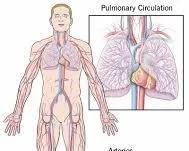
- Cardiovascular system: This includes your heart, blood vessels, and blood. A healthy cardiovascular system efficiently pumps oxygen-rich blood to your muscles and removes waste products like carbon dioxide.
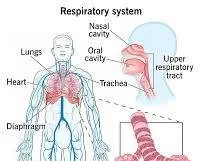
- Respiratory system: This includes your lungs and airways. A healthy respiratory system efficiently takes in oxygen from the air and removes carbon dioxide from your body.
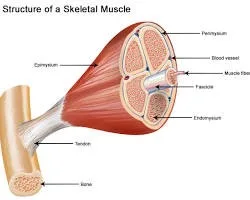
- Skeletal muscles: These are the muscles attached to your bones that help you move. Healthy skeletal muscles can use oxygen efficiently to produce energy.
Why is CRF Important?
- Improved overall health: Good cardiorespiratory fitness is associated with a lower risk of heart disease, stroke, type 2 diabetes, certain cancers, and premature death.
- Increased energy levels: When your cardiorespiratory system is in good shape, you have more energy to do the things you enjoy.
- Better mental health: Exercise releases endorphins, which have mood-boosting effects.
- Improved sleep: Regular exercise can help you fall asleep faster and sleep more soundly.
- Weight management: Cardiorespiratory exercise helps you burn calories and maintain a healthy weight.
Activities That Can Improve CRF:
Anything that can increase your heart rate will increase your CRF. The greater your fitness level, the harder it is to increase your CRF and the higher the intensity required. CRF is more responsive to intensity than frequency or duration. Therefore, if you have always been exercising, focus on walking faster or increasing your intensity of exercise. However, even if you are not currently physically active, you’re in luck. The greatest benefit of CRF is seen among people who have a low level of CRF! So even 10 min/day of walking can increase CRF.
Here are some activities to try:
- Brisk walking
- Running
- Swimming
- Cycling
- Dancing
- Rowing
- Hiking
- Playing sports
How to measure CRF:
There are several ways to measure cardiorespiratory fitness, including:
- VO2 max test: This is a laboratory test that measures the maximum amount of oxygen your body can use during exercise.
- Field tests: These tests, such as the 1.5-mile run or the 6-minute walk test, can estimate your VO2 max.
- Heart rate monitoring: Tracking your heart rate during exercise can give you an idea of your fitness level.
Takeaway
You can be normal weight or “in-shape”, be strong as an oak, eat healthy, or even have a six pack, but you can still have a higher risk of mortality or heart disease compared to a person who is normal weight and has a higher CRF than you. So be sure to get your cardio in and just as important, have your CRF measured at least annually either by your doctor or using either of the various fitness trackers available.