Navigating the world of dietary supplements can be overwhelming, especially when trying to choose the best Coenzyme Q10 (CoQ10) formulation. So let’s cut through the noise, to see what current science tells us about CoQ10’s role, its forms, and its potential benefits.
What is CoQ10?
CoQ10, also known as ubiquinone, is aptly named, meaning “everywhere.” This vital substance resides in the mitochondria – the “powerhouses” of nearly all our cells, where energy (ATP) is produced. It’s found in high concentrations in active organs like the heart, lungs, liver, kidneys, pancreas, and adrenal glands.
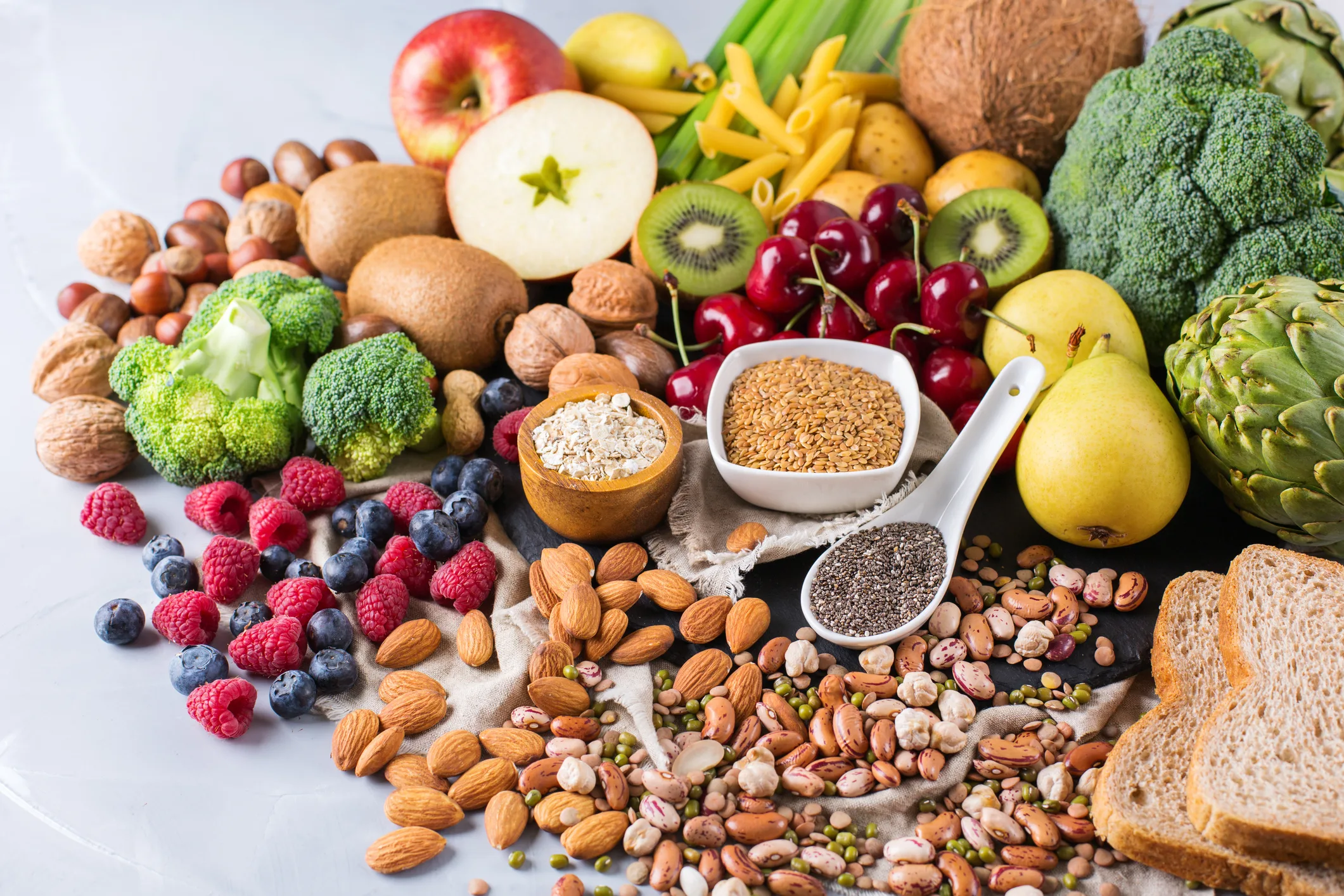
Our bodies produce CoQ10, and it’s also present in foods such as meat, fish, nuts, seeds, certain oils, dairy, vegetables, fruits, and cereals. Despite its widespread presence, the body contains only about 500–1,500 mg of CoQ10, and these levels naturally decline with age.
CoQ10’s Role in Your Body
CoQ10 is crucial for generating adenosine triphosphate (ATP), the primary energy currency of cells. Without sufficient CoQ10, ATP production can decrease, impacting cellular energy. Beyond energy production, CoQ10 acts as a powerful antioxidant, protecting mitochondria from damage. Reduced CoQ10 levels have been linked to various conditions, including neurodegenerative diseases, fibromyalgia, migraine, diabetes, cancer, muscular diseases, and heart failure.
Choosing and Absorbing CoQ10
CoQ10 supplements primarily come in two forms: ubiquinol and ubiquinone. CoQ10 generally has low bioavailability, meaning it’s poorly absorbed. While more research is ongoing, recent studies suggest ubiquinol might be better absorbed by some individuals. For instance, ubiquinol has shown greater effectiveness in raising blood CoQ10 levels in healthy individuals compared to ubiquinone. However, individual responses vary, and some people may respond better to ubiquinone or absorb neither form well. Factors like age, overall health, heart health, and gut microbiota may influence absorption.
Since CoQ10 is fat-soluble, its absorption is significantly enhanced when consumed with fats. Taking your supplement with a meal containing healthy fats, such as nuts, olive oil, or oily fish, can improve its uptake. Studies have shown better absorption with CoQ10 soft-gel capsules combined with soy oil.
Dosage and Safety
There’s no definitive minimum or maximum CoQ10 dose, but studies often use around 400 mg daily, typically split into two doses. CoQ10 is generally well-tolerated, with rare and mild side effects like decreased appetite, diarrhea, dizziness, indigestion, nausea, or vomiting.
Some reports suggest CoQ10 might decrease the effectiveness of the blood-thinning drug warfarin, though other studies found no negative interaction. Always consult your healthcare provider before starting CoQ10, especially if you’re on medication.
Potential Health Benefits
Research points to several potential benefits of CoQ10 supplementation:
- Statin Users: Statin drugs can deplete CoQ10 levels. Supplementing may help replenish these levels, though views conflict on its direct impact on statin-induced muscle pain.
- Migraine: A review found CoQ10 supplementation was linked to shorter and less frequent migraines.
- Heart Failure: Studies suggest CoQ10 may increase longevity and improve exercise capacity in heart failure patients, appearing safe and cost-effective.
- Blood Sugar Control: For Type 2 diabetes, CoQ10 significantly improved blood sugar markers (hemoglobin A1c and fasting blood glucose) and HDL cholesterol. It also improved blood sugar control and reduced inflammation in metabolic syndrome.
- Fatigue: While general fatigue research is mixed, CoQ10 may help with fatigue related to fibromyalgia, statin use, multiple sclerosis, and end-stage heart failure. It’s unlikely to significantly boost energy in healthy individuals.
Always consult a healthcare professional before starting any new supplement, especially if you have health conditions or take other medications.
Source: