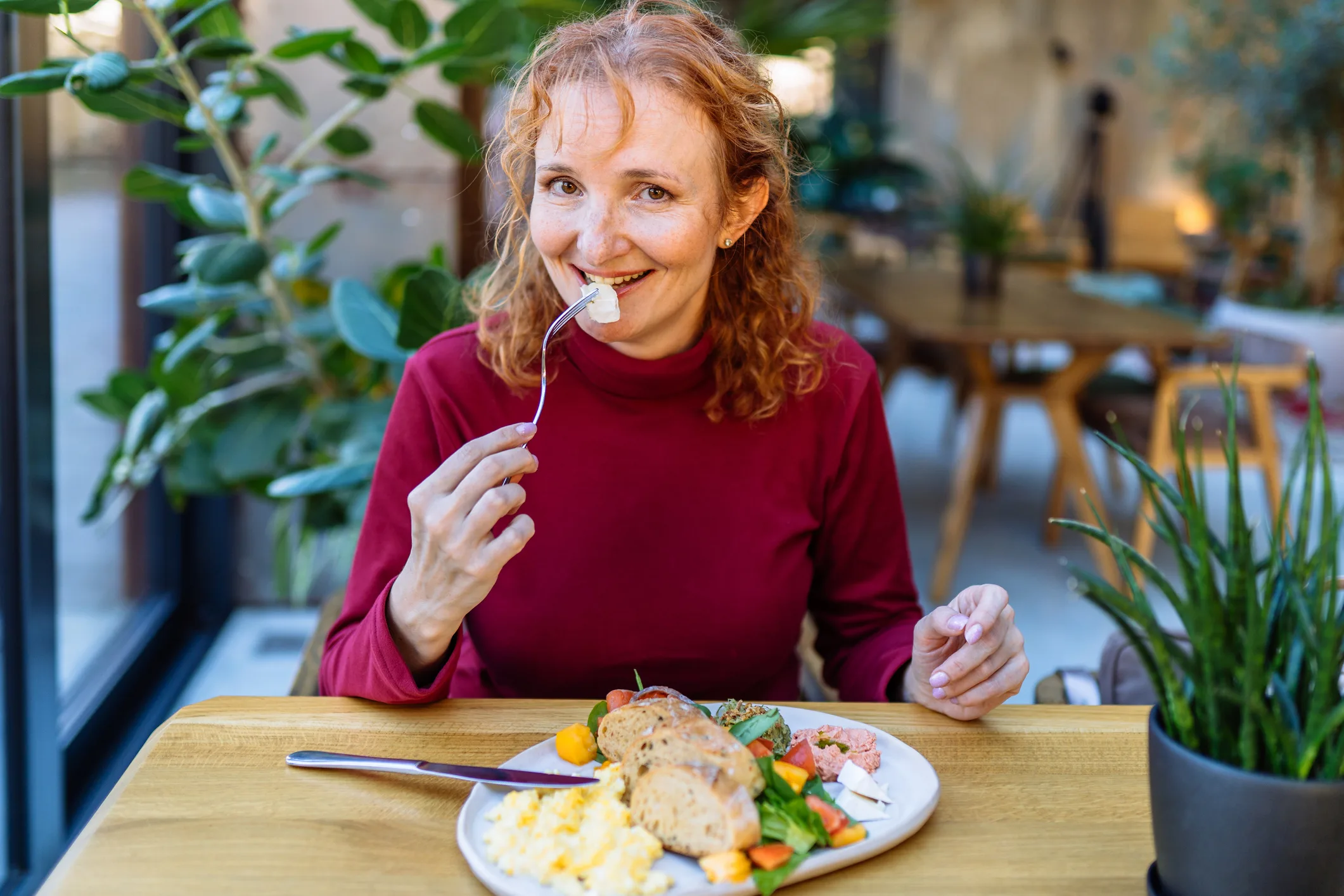
How many of you aspire to eat less meat? Especially red or processed meat. You know you don’t get enough plant-based foods but no way are you going to become a vegetarian. Well maybe you should consider the Flexitarian Diet (yep, that’s a thing 🙄).
What is The Flexitarian Diet?
The Flexitarian Diet is a flexible, semi-vegetarian eating approach that emphasizes plant-based foods while allowing moderate consumption of meat and animal products. Created by dietitian Dawn Jackson Blatner, this diet combines the words “flexible” and “vegetarian” to describe its unique approach to eating. It encourages a predominantly vegetarian eating style but recognizes that some people may still want to occasionally consume meat, poultry, or fish.
Why Should You Consume Less Meat?
Consuming excessive amounts of meat, particularly red and processed meats, has been associated with several health issues:
Cardiovascular Disease: High consumption of red and processed meats is linked to an increased risk of heart disease and stroke. Each 50g daily serving of processed meat is associated with a 42% higher risk of coronary heart disease
Cancer: Regular consumption of red and processed meats is associated with a higher risk of certain cancers, especially colorectal cancer. The risk of colorectal cancer increases by 13% for every 100g of red meat consumed daily
Type 2 Diabetes: Studies have shown a correlation between high meat intake, particularly processed meats, and an increased risk of developing type 2 diabetes
Mortality: Long-term consumption of increasing amounts of red and processed meat is associated with higher total mortality rates
Hypertension: Red meat intake has been positively associated with hypertension, with processed meat posing about twice the risk compared to unprocessed red meat
Dementia: A large UK Biobank study found that each 25g daily increment of processed meat was associated with a 44% increased risk of all-cause dementia and a 52% increased risk of Alzheimer’s disease
Gastrointestinal Issues: Higher poultry meat consumption has been linked to increased risks of gastroesophageal reflux disease, diverticular disease, gastritis, and duodenitis
“Okay, you’ve convinced me. Maybe I should cut down on the amount of meat. Now what?”
So How Do I Become a .. uggh … Flexitarian? 🙄
Eat More Plant-Based Foods: Emphasize vegetables, fruits, legumes, nuts, seeds, and whole grains in your diet.
Be Flexible with Meat: Consume meat or animal products in moderation, focusing on quality over quantity. This may mean eating smaller portions or only having meat a few times a week.
Focus on Whole Foods: Minimize processed foods and try to consume ingredients in their most natural form.
Moderation is Key: There’s no strict rule for how much or how little meat you can eat. The idea is to make gradual and mindful changes toward a more plant-based eating pattern.
Is there a way to ease Into Flexitarianism? 😅
Beginner Flexitarian: Eat a meat-free diet two days a week, reducing your meat intake by about 25%.
Advanced Flexitarian: Limit meat to three or four days a week, reducing overall meat consumption by 50%.
Expert Flexitarian: Eat meat only on rare occasions, such as once a week, with meat consumption reduced by 75%.
Examples of Flexitarian Meals
One of the appealing aspects of the Flexitarian Diet is its flexibility in meal planning. Here are a few meal ideas that balance plant-based ingredients with moderate amounts of animal products:
Breakfast:
Avocado Toast with Poached Eggs: Whole grain toast topped with mashed avocado, a poached egg, and a sprinkle of seeds. This provides a good balance of healthy fats, fiber, and protein.
Oatmeal with Fresh Berries and Almonds: A warm bowl of oats topped with mixed berries, almond slivers, and a drizzle of honey for a nutrient-dense and satisfying meal.
Lunch:
Quinoa Salad with Chickpeas and Grilled Chicken: A hearty quinoa and chickpea salad loaded with vegetables like spinach, cucumber, and tomatoes, with a small portion of grilled chicken for protein.
Vegetarian Stir-Fry: Tofu or tempeh stir-fried with colorful vegetables such as bell peppers, broccoli, and carrots, served with brown rice and a soy-based sauce.
Dinner:
Lentil Soup with a Side of Garlic Bread: A comforting bowl of lentil soup packed with vegetables and plant-based protein, accompanied by whole grain garlic bread.
Grilled Salmon with Roasted Vegetables: A well-balanced dinner of grilled salmon served with roasted sweet potatoes, Brussels sprouts, and a drizzle of olive oil.
Snacks:
Hummus with Carrot and Celery Sticks: A high-fiber, plant-based snack that’s rich in protein and perfect for in-between meals.
Greek Yogurt with Mixed Nuts: A source of probiotics and protein, with the added crunch and healthy fats from the nuts.
Takeaway
Look, we know it sounds funny and we joke about it, but seriously, can you think of a better way to reduce your consumption of meet? You’ll eat better, feel better and live better. And now you can have your own category! Why let the Vegan’s, Vegetarian’s and Pescatarians have all the fun? Now you can finally have something to show off proudly at that next dinner party😊.
Sources: