If you’ve spent any time at the local trailhead recently, you’ve likely noticed a fleet of us—people of a “distinguished” vintage—pedaling away as if the local coffee shop is about to run out of oat milk. But beyond the cardiovascular benefits and the excuse to wear aerodynamic headgear, a serious question remains: Is all this pedaling actually doing anything for our muscle mass, or are we just making our hearts very efficient while our quadriceps slowly turn into overcooked linguine?
The Reality of Muscle Growth and Cycling
It is a common misconception that cycling is a purely cardiovascular endeavor. While it is true that you won’t develop bodybuilder-level hypertrophy from a Sunday cruise, cycling does engage significant skeletal muscle groups. The primary movers in a pedal stroke are the quadriceps and gluteus maximus, which provide the bulk of the power. Secondary support comes from the hamstrings and calves.
For adults over 50, the goal often shifts from “getting big” to “keeping what we have.” Research suggests that regular cycling can effectively slow down sarcopenia—the age-related loss of muscle mass and strength. However, the degree of muscle building is entirely dependent on resistance. Riding on flat terrain at a high cadence (pedaling fast with little resistance) prioritizes the cardiovascular system and Type I “slow-twitch” muscle fibers, which are built for endurance rather than size. To stimulate Type II “fast-twitch” fibers—the ones responsible for power and muscle volume—cyclists must introduce higher resistance through hill climbing or “mashing” larger gears.
The Science of “Anabolic Resistance”
As we age, our bodies become less efficient at turning protein into muscle, a phenomenon known as anabolic resistance. This means that for a 60-year-old cyclist, a ride is only half the battle. To actually repair and build muscle tissue after a strenuous session, the body requires a higher threshold of leucine and high-quality protein than it did in its twenties.
- Protein Threshold: Older athletes should aim for 20–30 grams of high-quality protein (such as whey or lean soy) within the “anabolic window” following a ride to jump-start muscle protein synthesis.
- Total Intake: Daily protein requirements for active adults over 50 are often recommended at 1.2 to 1.5 grams of protein per kilogram of body weight to prevent muscle wasting.
Why Cycling Alone Isn’t Enough
While the legs of a dedicated cyclist may remain robust, cycling is notoriously poor at maintaining upper-body strength and bone density. Because the bicycle supports your weight, it is considered a non-weight-bearing exercise. This is excellent for those with osteoarthritis in the knees or hips, but it does little to stimulate bone growth or maintain the muscles of the chest, back, and arms.
To achieve a balanced physique and protect against fractures, a professional fitness regimen for those over 50 must include:
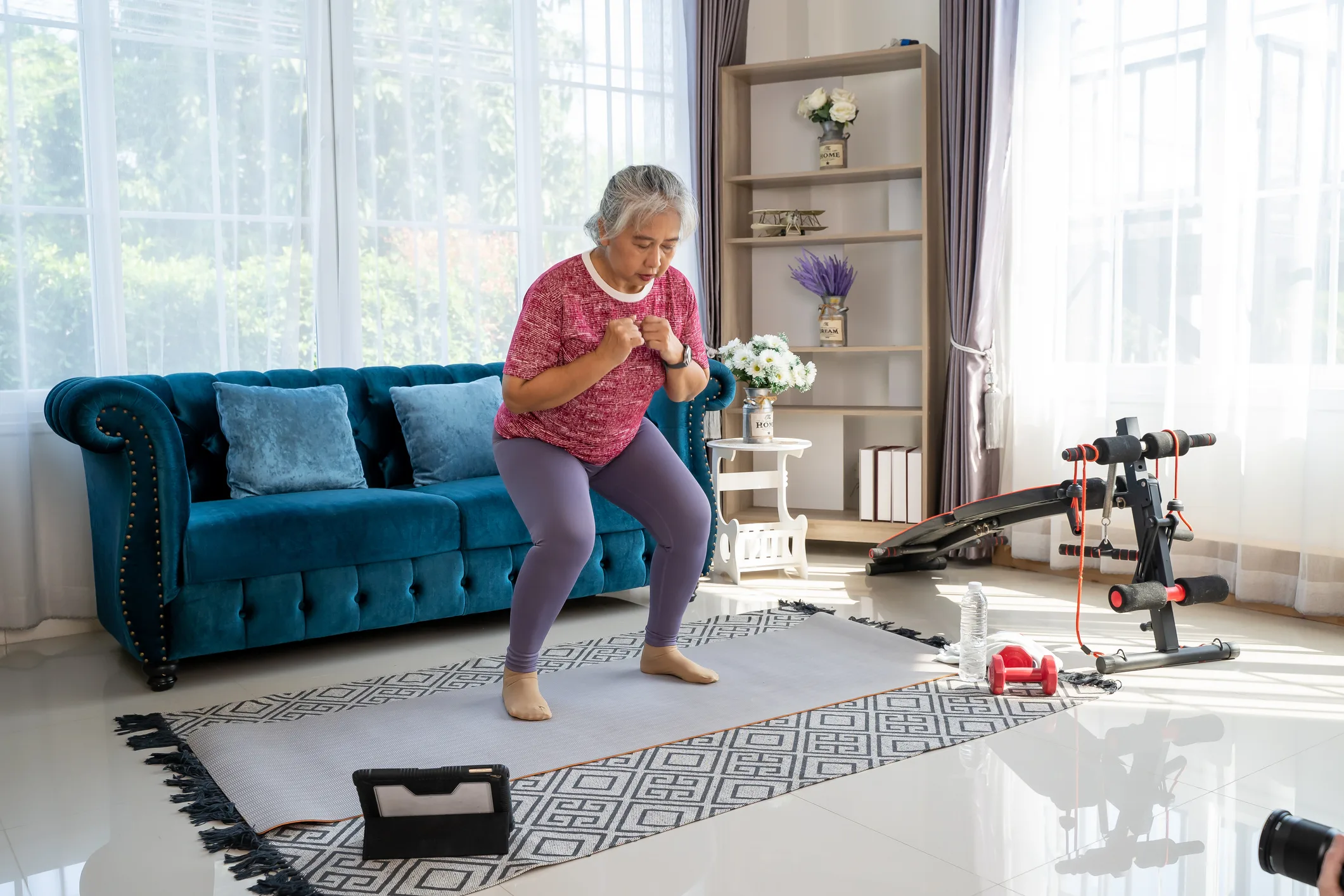
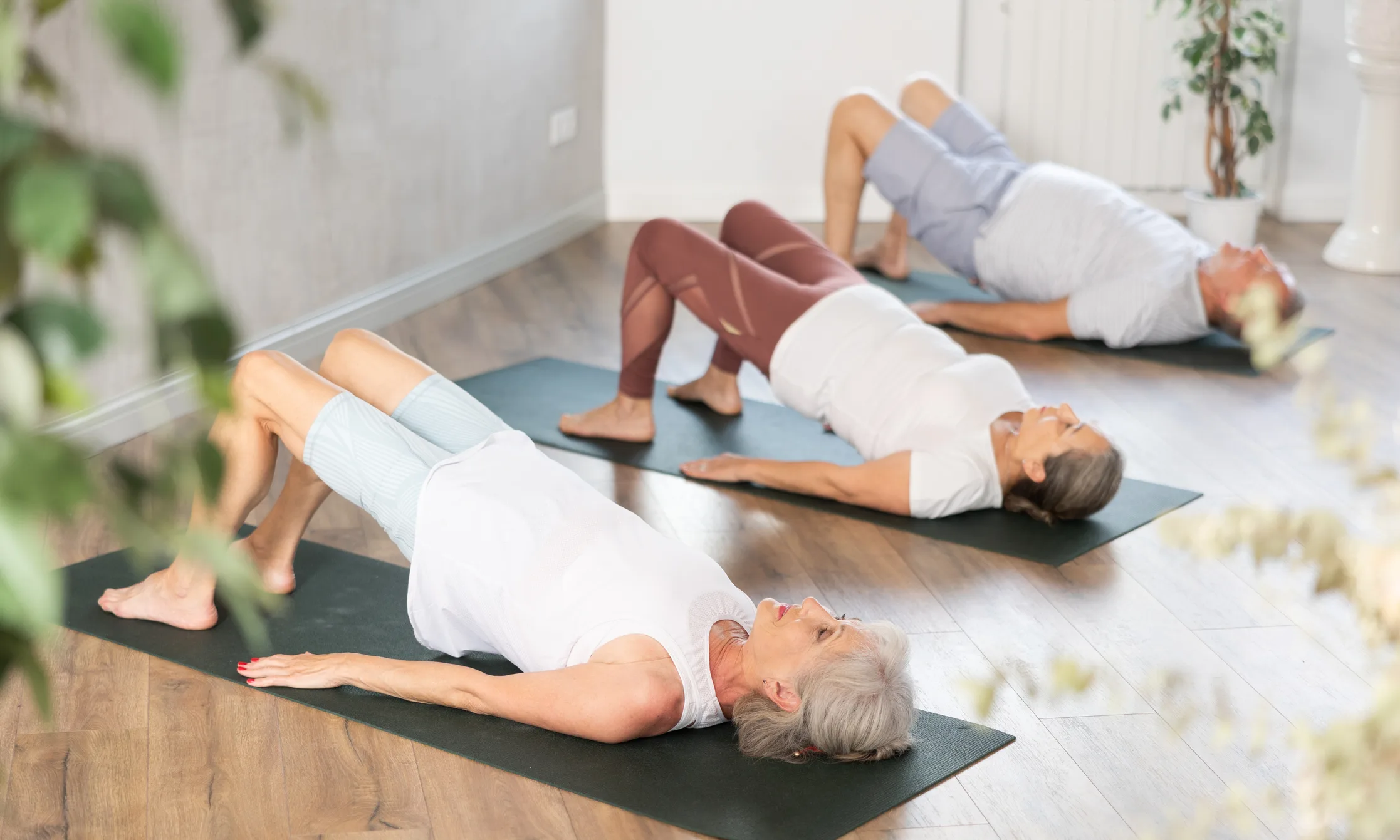
- Resistance Training: Lifting weights or using resistance bands at least twice a week to target the upper body and core.
- Weight-Bearing Impact: Incorporating walking or light jogging to complement cycling and support bone mineral density.
- Intensity Intervals: Short bursts of high-intensity pedaling (sprints) to recruit fast-twitch fibers that steady-state cardio misses.
Functional Benefits Beyond the Mirror
The muscles built through cycling serve a functional purpose that extends far beyond aesthetics. Increased glute and quad strength translates directly to improved balance and stability. Clinical studies have shown that seniors who cycle for at least an hour a week have a significantly lower risk of falls. Furthermore, the act of cycling produces hormones like irisin, which has been linked to improved cognitive function and memory—essentially exercising the brain and the legs simultaneously.
Wrapping It Up
In short, cycling is a phenomenal tool for maintaining a high quality of life. It keeps the engine (your heart) running smoothly and ensures your “chassis” (your legs) remains sturdy enough to carry you through your golden years. Just remember that your body is a temple—or at least a well-maintained ranch-style home—and it requires more than just one type of maintenance. So, keep pedaling, but don’t forget to lift a heavy object once in a while. Your bones will thank you, even if your knees occasionally lodge a formal complaint. After all, the goal is to be the person who can still hike to the top of the hill to see the sunset, rather than the person who has to describe it from the parking lot because their legs decided to retire before they did.
Source: