We’ve all heard the old saying: “You are what you eat.” But what if what you eat also dictates what you dream? For centuries, people have linked late-night snacks to restless nights and vivid nightmares. Even Charles Dickens, in “A Christmas Carol,” playfully suggested Jacob Marley’s ghostly appearance might be due to “an undigested bit of beef.” But is there any truth to this delicious mystery?
The Science of Supper and Sleep
Surprisingly, this age-old belief has caught the attention of modern researchers. A study titled More dreams of the rarebit fiend: food sensitivity and dietary correlates of sleep and dreaming delved into this very question. (For those curious, “dreams of the rarebit fiend” refers to early 1900s comics about nightmares caused by food, specifically Welsh rarebit, a cheesy dish.)
Before we dive into the study’s findings, let’s consider how food might realistically influence our dreams. Scientists have proposed a few intriguing possibilities:
- The “Food-Specific Effects” Hypothesis: This suggests certain foods contain chemicals that directly impact our dream state. Think of how some medications can cause strange dreams – it’s a similar idea.
- The “Food Distress” Hypothesis: This is perhaps the most intuitive. If a food causes us physical discomfort – say, heartburn from spicy chili or gas from beans – that discomfort itself might trigger bad dreams.
- The “Sleep-Effects” Hypothesis: This theory proposes that certain foods simply reduce overall sleep quality (like coffee keeping you wired or alcohol disrupting REM cycles), and poor sleep then makes us more prone to nightmares.

So, the mechanisms are plausible, but what does the research actually say?
What Did the Study Find?
Researchers surveyed over 1,000 individuals, primarily young women. A significant portion (nearly one-third) reported some type of food sensitivity. Interestingly, about one-third also reported frequent nightmares – more than once a week – with women recalling more dreams and nightmares than men.
Despite popular belief, only a small percentage (5.5%) of participants felt their food choices affected their dreams. However, those few who did perceive a link were much more likely to have frequent nightmares. It’s worth noting this perception has dropped dramatically compared to a similar study a decade ago. Why the change? Perhaps modern society, with its data-driven explanations and increased food safety awareness, is less inclined to blame a late-night snack for a scary dream. Or maybe, as the authors humorously suggest, today’s young adults have more potent influences on their brains than a slowly digesting cheesesteak!
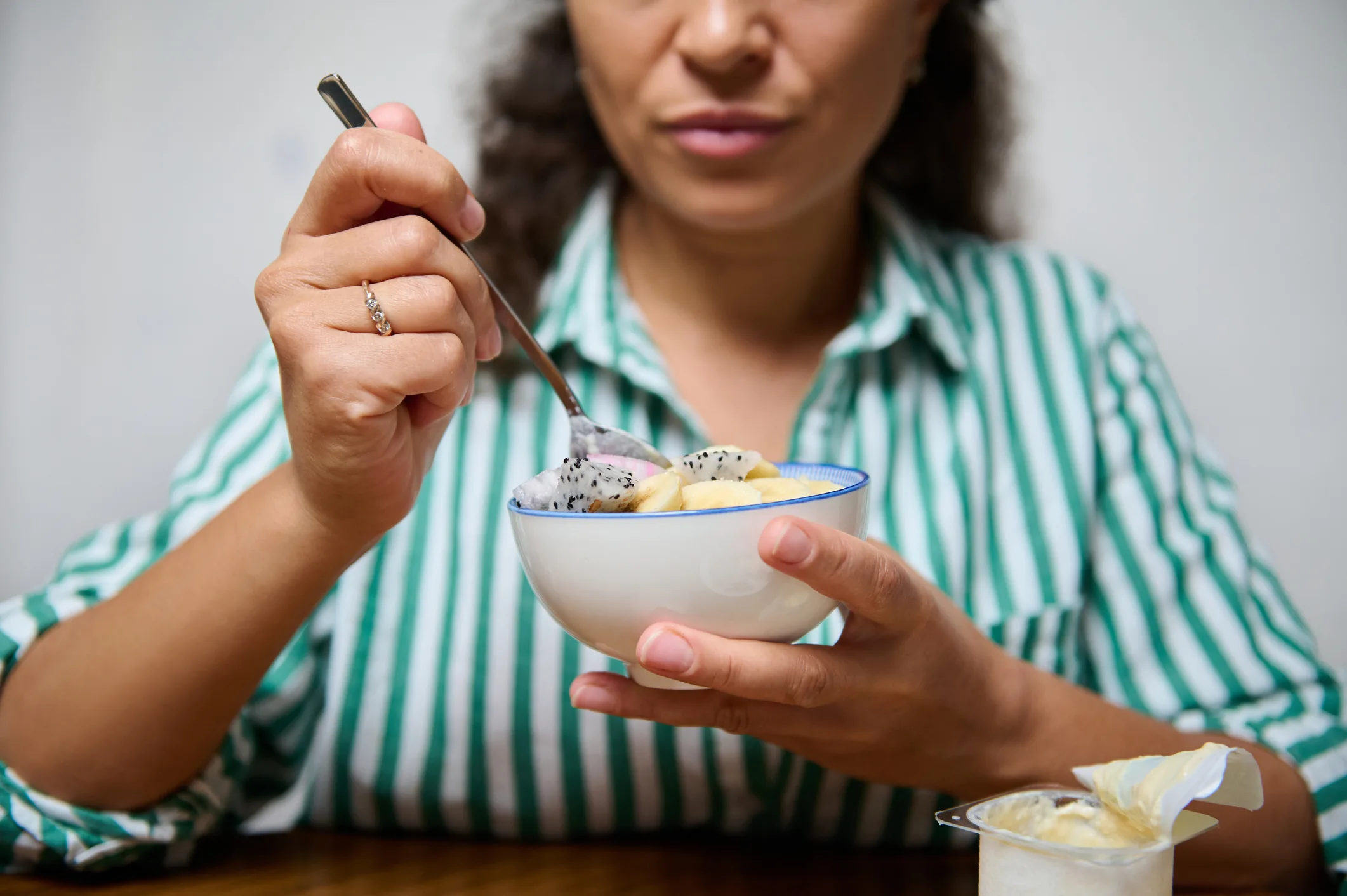
For the 59 participants who did believe food influenced their dreams, sweets and dairy were most often blamed for “disturbing” dream content. On the flip side, fruits, vegetables, and herbal tea were associated with more pleasant dreams. This consistency hints at some support for the “food-specific effects” idea – maybe there is something in dairy that contributes to unsettling dreams.
Digging Deeper: Discomfort is Key
The “food distress” hypothesis, however, seems to have stronger backing. The study found that people who were lactose intolerant had a higher frequency of nightmares, even if they didn’t consciously connect it to food. When researchers accounted for gastrointestinal (GI) symptoms, this link between lactose intolerance and nightmares disappeared. This suggests that the discomfort from GI upset is likely what triggers the bad dreams.
Similarly, while lactose intolerance was linked to worse sleep quality, much of this effect was also tied to GI upset. This strongly implies that if food impacts your dreams, it’s primarily through the physical distress it causes while you’re trying to sleep.
The Wisdom of Old Wives’ Tales?
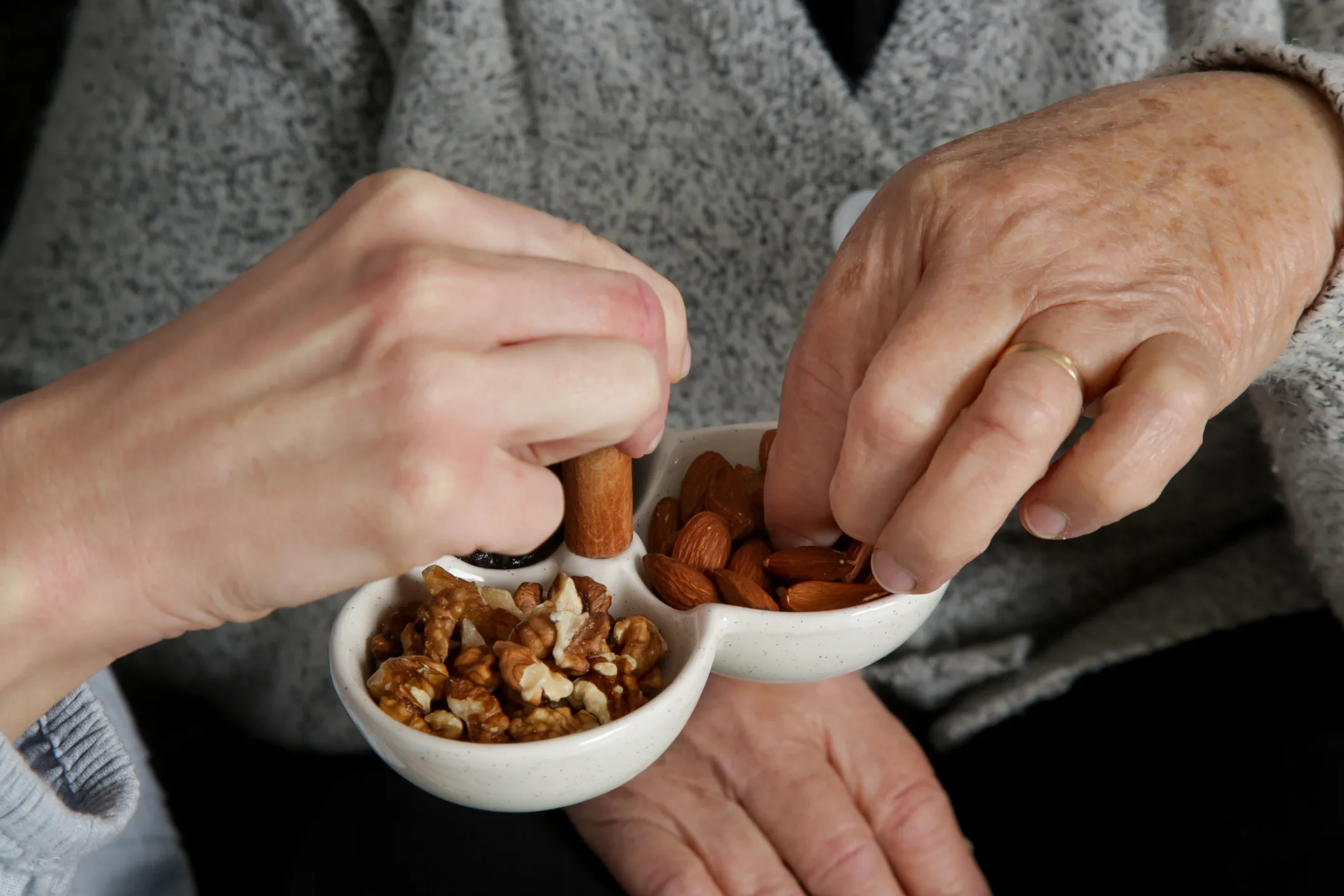
So, it seems Dickens might have been onto something after all! An “undigested bit of beef” or “crumb of cheese” causing discomfort could indeed lead to ghostly visions. Beyond specific food sensitivities, the study also found that nightmares were more common among those who ate late at night and individuals with underlying medical or psychiatric conditions.
In short, there might be genuine wisdom in those old wives’ tales. For a truly restful, nightmare-free night, it’s probably best to avoid going to bed on a full stomach, and definitely steer clear of foods that cause you personal distress. As for Dickens, he famously battled insomnia by walking London’s streets at night. Staying wide awake might prevent nightmares, but we certainly wouldn’t recommend that!
Source: