If you’ve recently walked into the kitchen only to stand in front of the open refrigerator wondering if you were there for the milk or a profound spiritual epiphany, you aren’t alone. We’ve all been there. For those of us navigating the vibrant landscape of our 50s, 60s, and beyond, a “senior moment” is often laughed off as a rite of passage. However, behind the humor lies a genuine interest in keeping our mental gears grinding as smoothly as possible. We’ve long been told that Sudoku and crossword puzzles are the keys to a sharp mind, but according to the latest science, the real “brain food” might actually be found in the weight room rather than the Sunday paper.
The Biological Link Between Physical and Cognitive Health
New research published in Sports Medicine and Health Science and highlighted by recent clinical reviews has shed light on the profound “cross-talk” between our muscles and our brain. For decades, the medical community viewed the brain and the musculoskeletal system as two separate entities. We now understand that they are part of a sophisticated, bidirectional communication network.
When we engage in physical exercise, our muscles act as endocrine organs, secreting signaling molecules known as “myokines.” One of the most critical of these is BDNF (Brain-Derived Neurotrophic Factor), often referred to by researchers as “Miracle-Gro for the brain.” This protein supports the survival of existing neurons and encourages the growth of new ones, particularly in the hippocampus—the area of the brain responsible for memory and learning.
Key Findings on Exercise and Brain Aging
Recent longitudinal studies have identified specific ways in which staying active alters the trajectory of cognitive decline. The data suggests that exercise does not merely slow down the aging process; in some cases, it can actually reverse markers of brain atrophy.
- Vascular Health: Physical activity improves blood flow to the brain, ensuring that oxygen and essential nutrients reach the most sensitive neural pathways. This reduces the risk of vascular dementia and small-vessel disease.
- Inflammation Reduction: Chronic, low-grade inflammation is a hallmark of aging (often termed “inflammaging”). Regular exercise helps modulate the immune system, reducing the inflammatory markers that are linked to Alzheimer’s disease and other forms of cognitive impairment.
- Structural Integrity: Imaging studies have shown that older adults who engage in regular aerobic and resistance training possess greater white matter integrity and a larger volume of gray matter in the prefrontal cortex compared to their sedentary peers.
Resistance Training vs. Aerobic Activity
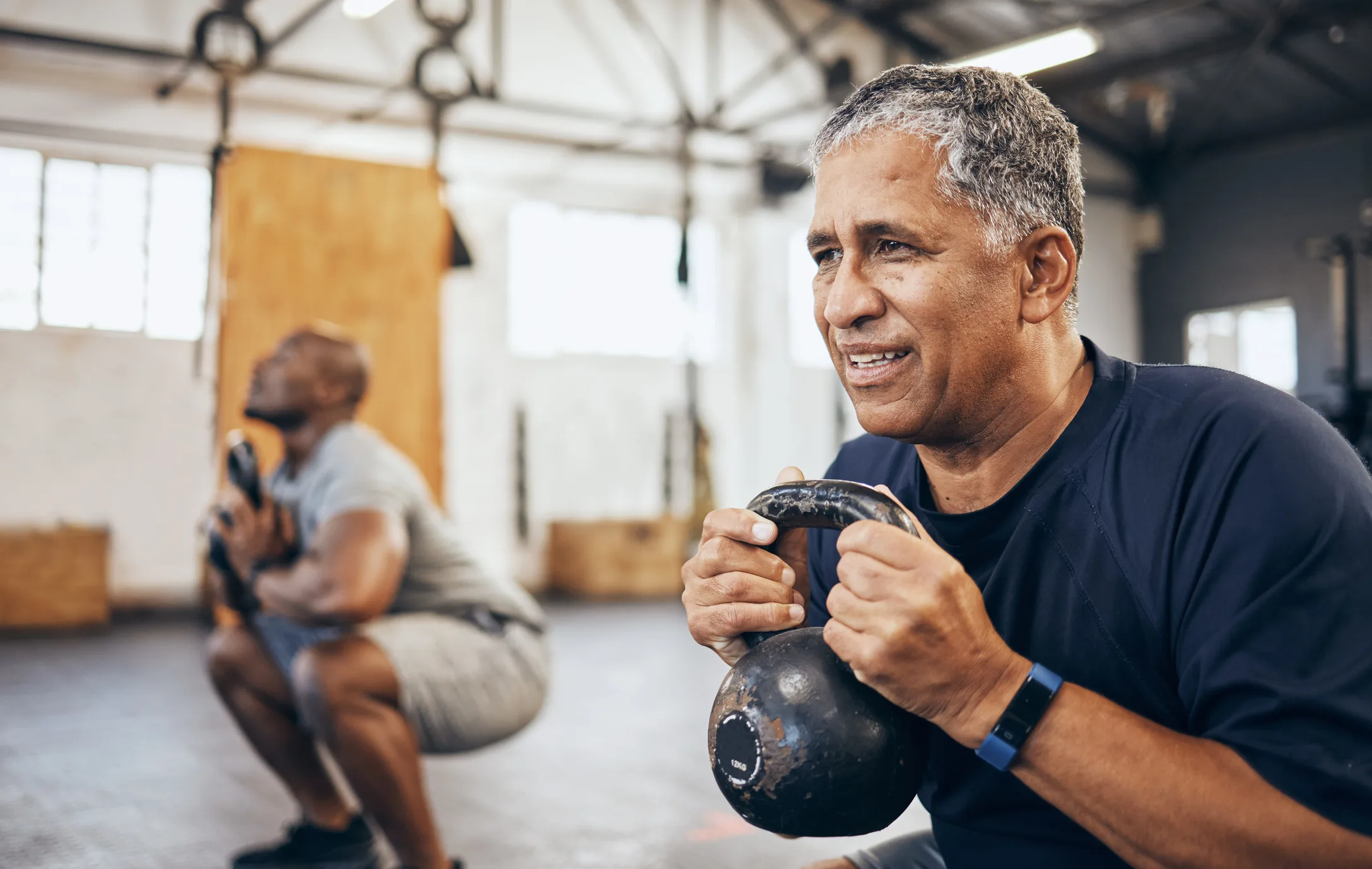
While any movement is beneficial, the latest evidence highlights a specific advantage to resistance training (weightlifting) for adults over 50. While aerobic exercise—such as walking or swimming—is excellent for cardiovascular health, resistance training offers unique neuroprotective benefits.
- Muscle-Brain Axis: Higher levels of muscle mass and grip strength are statistically correlated with better executive function and faster processing speeds.
- Hormonal Response: Lifting weights triggers a specific hormonal response, including the release of Irisin, a myokine that has been shown to cross the blood-brain barrier and protect against synapse loss.
- Neurogenesis: Intense physical efforts, even in short bursts, promote the release of growth factors that are vital for neuroplasticity—the brain’s ability to reorganize itself by forming new neural connections.
Implementing a Brain-Forward Fitness Routine
To maximize the cognitive benefits of exercise, experts recommend a multifaceted approach. Consistency is more important than intensity, but a certain threshold of effort is required to trigger the necessary biological changes.
- The Power of Variety: Combining strength training with “cognitively demanding” physical activities—such as dance, tennis, or complex yoga—provides a double benefit by forcing the brain to coordinate complex movements while the muscles are working.
- Frequency Guidelines: Aim for at least 150 minutes of moderate-intensity aerobic activity per week, supplemented by at least two days of full-body resistance training.
- Listen to the Body: For those starting a new regimen after 50, gradual progression is essential to prevent injury. Consult with a professional to ensure form is correct, as the goal is long-term sustainability.
Takeaway
So, the next time you find yourself staring at your dumbbells with the same enthusiasm you usually reserve for a root canal, remember that those weights aren’t just for your biceps—they’re for your “think tank” too. You don’t need to become a competitive bodybuilder or start wearing neon spandex (unless that’s your thing, of course; we don’t judge). Even a moderate commitment to moving more can mean the difference between remembering where you put your car keys and having to call a private investigator to find them. Let’s face it: we’ve spent decades building our wisdom; it would be a shame to let a little thing like a sedentary lifestyle smudge the ink on our mental maps. Grab those sneakers, move those muscles, and keep your brain as sharp as your wit!
Source:
Fitness and exercise effects on brain age: A randomized clinical trial
How Much Exercise You Need to Slow Down Brain Aging, According to Science