If you’re part of the glorious 50-plus club, you’ve earned the right to relax. But before you settle into the couch for another epic binge-watching session, listen up: sitting is hazardous to your health. The truth is, that prolonged sedentary time—whether you call it “leisure” or “marathoning that new true crime documentary”—negatively impacts your vascular function, which is just a fancy way of saying it stiffens your arteries and makes your blood vessels less effective.
This systemic review compared two popular fixes—traditional exercise and yoga—to see which one best repairs the damage. The good news? Both work. The better news? We know which one works best, and why.
Exercise: The Consistent VIP for Vascular Health
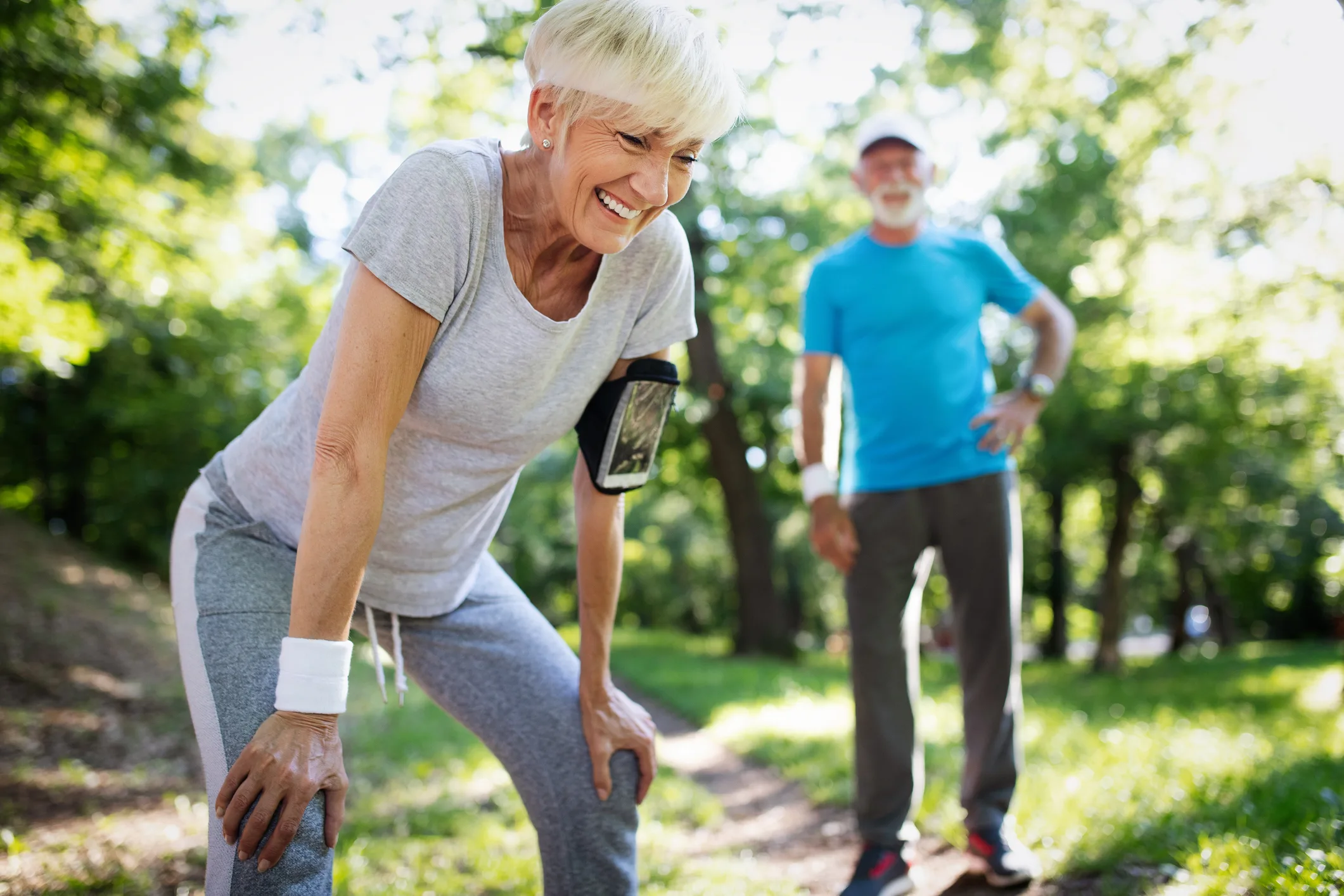
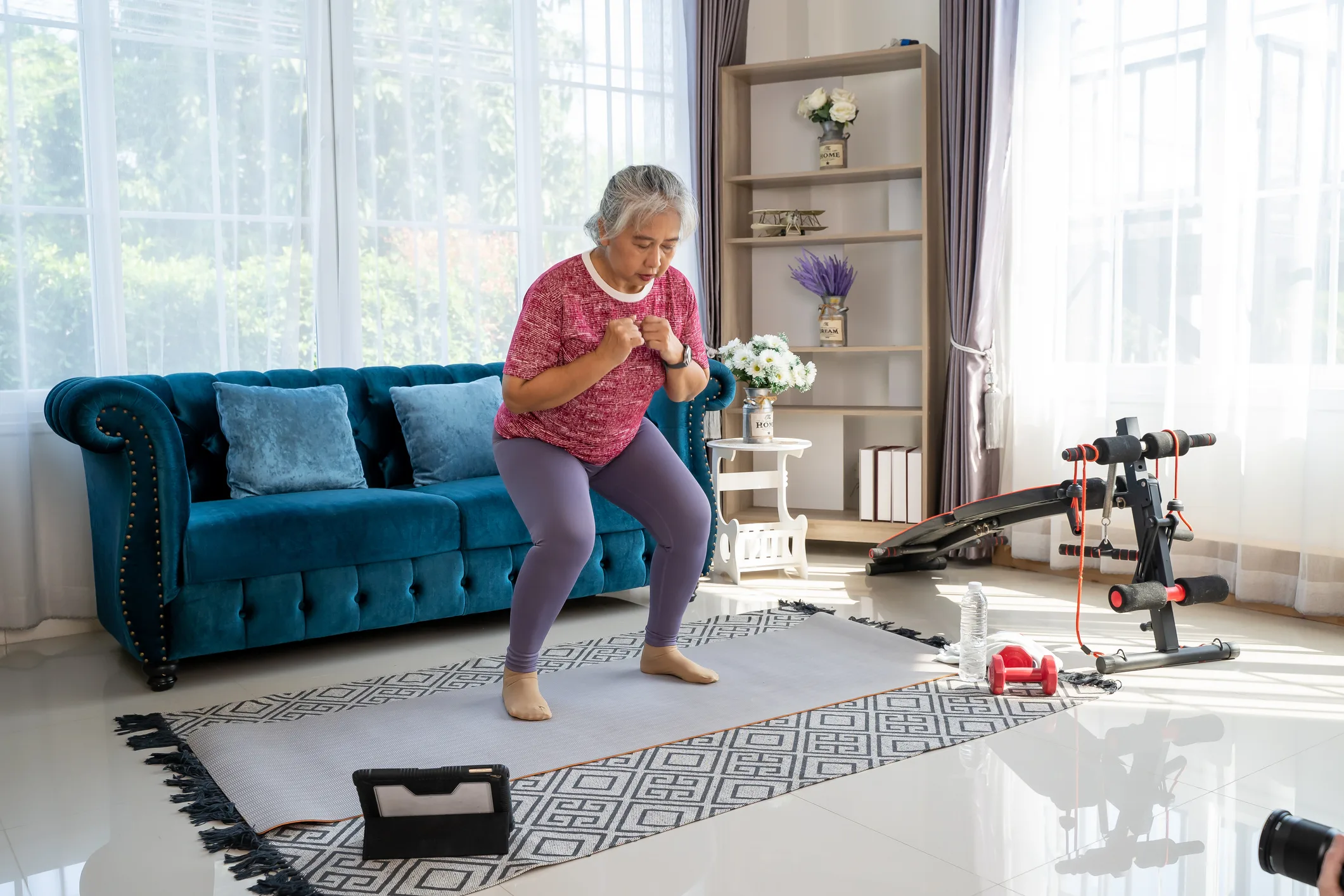
If your goal is objective, measurable improvement in your arteries and blood flow, conventional, structured exercise (like aerobics, resistance training, or even Tai Chi) is the more reliable choice.
The research found that targeted exercise programs consistently delivered positive vascular results by:
- Improving Endothelial Function: This refers to the inner lining of your blood vessels—the part that tells your arteries to open up and let the blood flow freely. Structured exercise, including Tai Chi and Reformer Pilates, consistently improved this function.
- Reducing Arterial Stiffness: Nobody wants a stiff neck, and your arteries aren’t fans of stiffness either. Regular exercise helps make them more compliant, which is key to reducing cardiovascular risk.
- It’s the Bolder Bet: Across the board, traditional exercise interventions consistently produced more reliable improvements in objective measures of blood vessel health than yoga.
Yoga: The Flexible Path to 50+ Wellness
For our age group, yoga holds a special place. While its effects on arteries were “inconsistent” in the general population, the research highlighted specific, important benefits for middle-aged and older adults.
- Targeted Benefits: Yoga appears to be especially beneficial for improving endothelial function in older adults. One study even found yoga more effective than brisk walking at reducing arterial stiffness in the elderly with increased pulse pressure.
- Great for Functional Fitness: Yoga is excellent at improving the kind of fitness that matters every day: balance, strength, flexibility, and mobility. No more fearing that grocery store trip!
- Feasibility and Adherence: Here’s the kicker—yoga is often perceived as less intimidating than intense conventional exercise, which can greatly enhance adherence (meaning you’ll actually stick with it).
The Bottom Line for Your Next Act
You have two great options, and the best choice is the one you enjoy enough to do regularly.
- For Objective Vascular Improvement: Aim for structured exercise that elevates your heart rate. Think walking, dancing, swimming, or Tai Chi.
- For Complementary Health: Incorporate yoga for its unique ability to improve flexibility, balance, and autonomic nervous system health—all critical as we age.
- The Sitting Trap: Don’t think a few micro-breaks will save you. Short bursts of activity during prolonged sitting showed limited vascular benefits. If you’re going to move, make it a structured session!
Takeaway
Your doctor might tell you to “work out.” What they’re really saying is, “Stop letting your vascular system behave like a garden hose left out in the sun.” Get moving!
Ultimately, for the sedentary 50+, using both yoga and conventional exercise provides complementary benefits, addressing direct vascular adaptations and mental/autonomic regulation for a well-rounded approach to a healthy next act.
Source:
Comparing the effects of yoga and exercise on vascular function: A systematic review