Arthritis and joint pain often make the prospect of exercise for older adults about as appealing as a tax audit, especially strength training. However, experts insist that staying active is vital for maintaining mobility and overall well-being.
Dr. Srinivas Ganesh, a sports medicine specialist, wisely notes that a major concern for his older patients is preserving their active lifestyles and, crucially, avoiding a future where their primary mode of transportation is a motorized scooter with a jaunty flag. Fortunately, Dr. Ganesh and other specialists in aging-related fitness assure us that exercising safely with arthritis and age-related muscle weakness is not a myth, but an achievable and crucial goal.
Key Recommendations for Safe Exercise
- Comprehensive Assessment: During annual physicals, spill the beans to your primary care physician about every creak and groan. This intel can lead to referrals for physical therapy (PT) or specialized exercise programs tailored to your specific joint grievances. PTs will teach you foundational exercises so you don’t accidentally invent a new form of joint origami at the gym. Occupational therapists (OTs) are the gadget gurus, providing custom splints for hand or wrist support, making exercise feel less like medieval torture.
- Prioritize Foundation Before Load: Personal trainers specializing in older adults, like Aleks Pavlovic based in San Francisco, preach building balance, core strength, and hip stability before you even look at a dumbbell. Exercises like single-leg stands and bodyweight core work are key. Strong hips, in particular, can take some of the heat off your knees, preventing them from staging a protest during your walk.
- Consistency Over Intensity: The most important principle is regular movement, even if your “workout” resembles a leisurely stroll to the mailbox and back. As physical therapist Sierra Hewitt explains, a sedentary lifestyle is basically inviting arthritis pain to throw a never-ending party in your joints. Activities like walking (nature’s pain reliever), low-resistance cycling, water aerobics, and range-of-motion exercises at home (think gentle joint yoga) all contribute to keeping things moving smoothly. Dr. Ganesh wisely notes that daily movement, even without weight, helps lubricate those grumpy joints and dial down the pain volume.
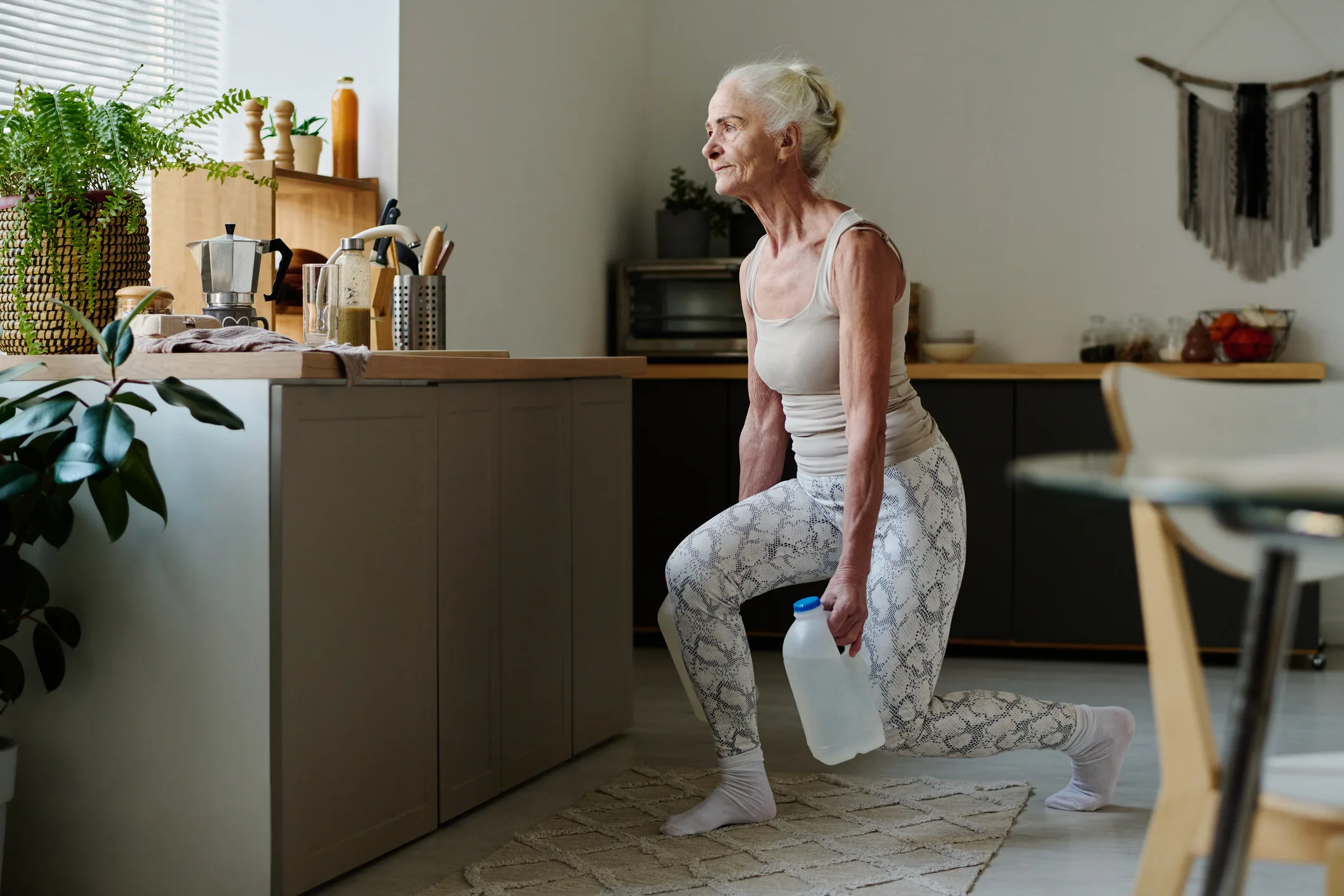
- Smart Modifications and Equipment Swaps: Many exercises can be cleverly adapted for comfort. For wrist pain, ditch the traditional plank and try it on your elbows. For hand pain, embrace the glorious world of resistance bands or strap-on. If a full range of motion feels like your joints are arguing, just reduce it – partial movement is still movement! Using blankets for knee support in yoga can transform a painful pose into a moment of zen. Hewitt reassures that bodyweight exercises, weights, and resistance bands are all effective – it’s about finding what works for you. Starting with functional movements at home, like wall sits or using household items for resistance, can build a foundation before hitting the gym.
- Understanding Acceptable Pain: Exercising with some baseline pain is often safe and can even improve long-term pain tolerance, according to Hewitt. Think of it as a gentle nudge from your joints, not a full-blown rebellion. However, sharp pain, redness, or swelling during or after exercise are flashing red signals to stop or modify the activity. Dr. Ganesh wisely advises that post-workout soreness shouldn’t turn you into a zombie struggling with basic tasks. When in doubt, your PT or OT is just a consultation away.
- Variety is Your Friend: Don’t Let Your Joints Get Bored (or overworked). Avoid overstressing the same joints by incorporating a mix of strength, aerobic conditioning (getting the blood flowing), balance (staying upright and fabulous), and flexibility (keeping things limber) exercises. Dr. Ganesh points out that sticking to one beloved activity, even the surprisingly intense world of pickleball, can lead to overuse injuries. Integrating range-of-motion exercises (think gentle joint stretches), yoga, cycling, or swimming (where you’re practically weightless) on off-days allows for continued activity without making your favorite joints stage a walkout.
Takeaway
By embracing these strategies and teaming up with healthcare professionals, older adults with arthritis can confidently engage in exercise, maintain their strength and independence, and improve their overall quality of life – all without needing a personal theme song that involves a lot of creaking noises.
Source:
Doctors say exercise is key for longevity — but what are the rules if you have joint pain?