If you have spent any time on the internet lately—perhaps while waiting for a slow-loading prescription refill—you may have stumbled across the term “fibermaxxing”. It sounds like a high-intensity sport for people in their twenties, but stripped of its trendy social media buzzwords, it simply means eating a diet packed with fiber. While Gen Z influencers are filming themselves attempting to eat 50 grams of fiber daily, the underlying message is surprisingly practical for those of us who remember when phone cords reached across the kitchen. Reaching a solid daily intake of fiber is one of the most powerful moves you can make for your digestion, heart, and energy levels. However, before you go dumping three cups of chia seeds into your morning tea, there are a few medical realities adults over 60 need to know.
The Two Types of Fiber You Need
Not all dietary fiber behaves the same way once consumed. To build a resilient digestive system, it helps to understand the two main categories and how they interact with your body:
- Soluble Fiber: This type dissolves in water to form a gel-like substance in the digestive tract. It acts as a sponge, binding to cholesterol and helping sweep it out of the body before it hits your bloodstream. It also slows the absorption of sugar, preventing steep blood-glucose spikes after meals.
- Primary Sources: Oats, barley, lentils, beans, apples, psyllium husk, and citrus fruits.
- Insoluble Fiber: Unlike its soluble cousin, insoluble fiber does not dissolve in water. Instead, it acts like a broom, adding bulk to the stool and speeding up the movement of food through the stomach and intestines. This is the component responsible for keeping regularity predictable.
- Primary Sources: Whole wheat flour, wheat bran, nuts, seeds, cauliflower, green beans, and root vegetables.
Why Fiber Matters More After 60
As the body ages, physiological changes directly alter how we process nutrients:
- Slower Gut Motility: Intestinal muscle contractions naturally slow down with age, making constipation a far more frequent issue. Insoluble fiber maintains the bulk necessary to keep the colon moving smoothly.
- Cardiovascular Health: The American Heart Association continues to highlight soluble fiber for its proven ability to lower LDL (“bad”) cholesterol, supporting healthy arteries as vascular walls naturally stiffen over time.
- Blood Sugar Management: Age-related insulin resistance makes glycemic control paramount. Fiber delays gastric emptying, ensuring carbohydrates enter the bloodstream as a steady trickle rather than a sudden wave.
- Microbiome Diversity: Beneficial gut bacteria thrive on prebiotic fibers. A diverse microbiome is linked to improved immune function, lower systemic inflammation, and better nutrient absorption in older adults.
Realistic Targets vs. “Fibermaxxing” Extremes
The standard recommendation for adults over age 50 sits at approximately 21 to 25 grams per day for women and 30 grams per day for men.
While social media trends advocate pushing past 50 grams daily, clinical nutritionists caution against sudden, extreme increases. Jumping from a typical low-fiber diet straight to 50 grams can trigger severe gastrointestinal distress, including painful gas, abdominal cramping, and paradoxical constipation.
How to Build a High-Fiber Day (Without Supplements)
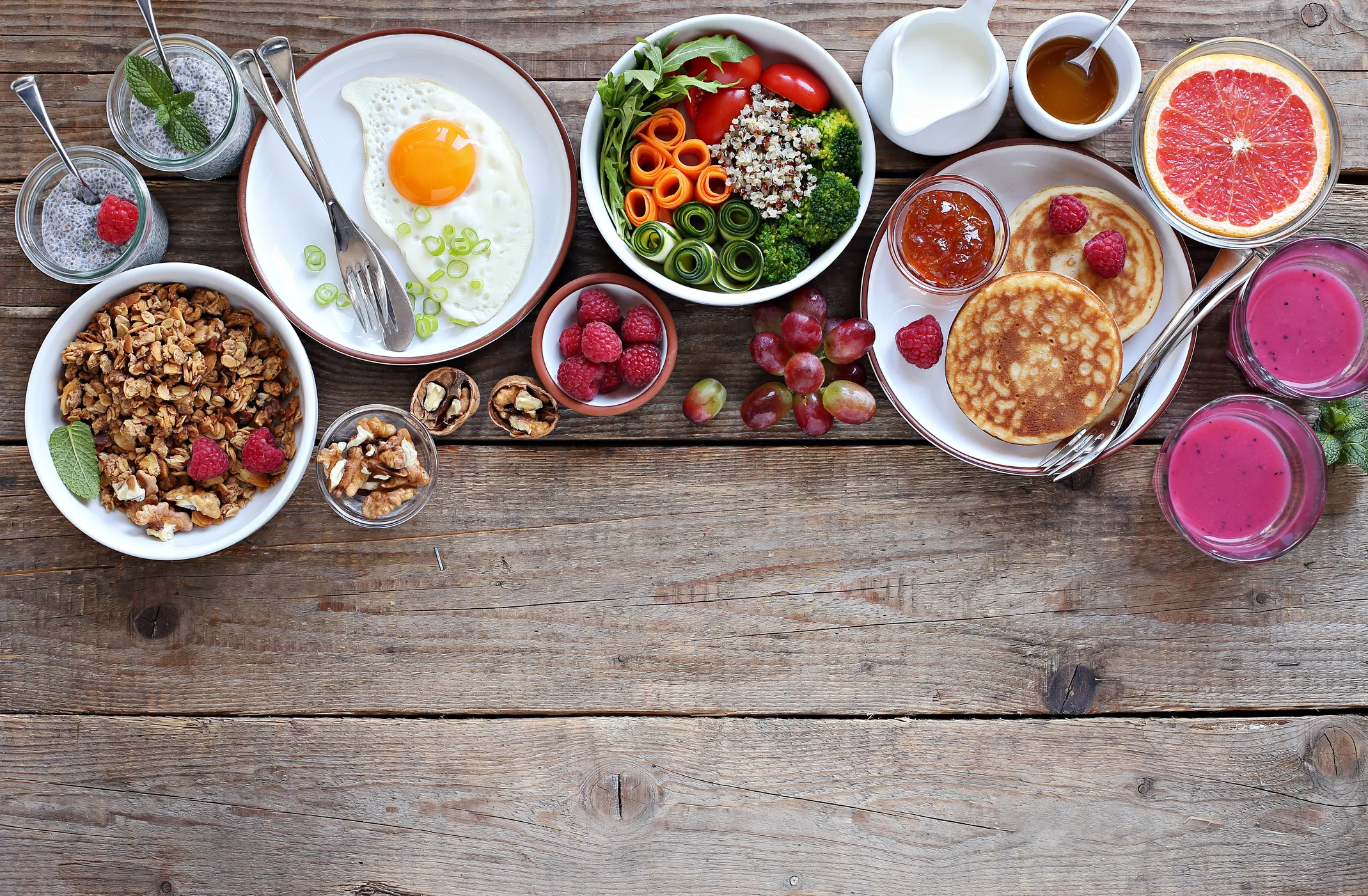
Hitting a robust fiber goal is easily manageable through whole foods without needing processed powders:
Golden Rules for Safe Implementation
- Increase Intake Gradually: Add 3 to 5 grams of fiber per day each week. This gives the gut microbiome time to adapt without fermenting excess matter too quickly.
- Hydrate Aggressively: Fiber acts like a dry sponge; it requires fluid to move through the digestive tract. Aim for at least 64 ounces of water daily alongside your dietary changes. Increasing fiber without water will cause intestinal blockages rather than relieve them.
- Prioritize Whole Foods: Whole fruits, vegetables, legumes, and grains contain essential vitamins, minerals, and polyphenols missing from isolated fiber supplements.
Proceed with Caution (and Plenty of Water)
At the end of the day, “fibermaxxing” is just a flashy new word for what your grandmother used to call “eating your roughage.” You do not need a TikTok account to enjoy the benefits of a high-fiber lifestyle, but you do need a full glass of water and a little patience. Upgrade your plate slowly, listen to your stomach, and leave the extreme internet challenges to the kids—your GI tract will thank you.
Source: