If your morning routine is so predictable that the neighborhood squirrels could set their watches by your daily walk, it might be time to shake things up. While we’ve always been told that “consistency is key,” a massive new study suggests that variety is actually the secret sauce for longevity.
The study, recently published in BMJ Medicine, tracked the habits of over 100,000 men and women for a staggering 30 years. The findings are a wake-up call for anyone stuck in a physical rut: participants who engaged in the widest variety of activities had a 19% lower risk of premature death compared to those who stuck to just one or two routines.
The Science of Shaking It Up
Researchers from the Harvard T.H. Chan School of Public Health found that while the amount of exercise matters, the diversity of that exercise provides a unique insurance policy for your health. Even among people who exercised for the same total number of hours, those with a “varied portfolio” of movement saw significantly better outcomes.
The benefits weren’t just general; they were specific and powerful:
- Cardiovascular Health: Variety was linked to a 13% to 41% lower risk of heart disease.
- Disease Prevention: Significant protection against cancer and respiratory illnesses.
- The “Plateau” Effect: The study found that individual activities (like walking or cycling) often hit a health plateau. By mixing in different movements, you “unlock” new benefits without needing to spend more hours at the gym.
What Counts as “Variety”?
The best part for those of us over 50? You don’t need to train like an Olympian. The study included a wide range of movements, many of which you might already be doing.
To reap the 19% “longevity bonus,” aim to mix and match from these categories:
- The Classics: Walking, jogging, and running. (Vigorous walking was actually linked to a 17% reduction in death risk!)
- The “Country Club” Set: Tennis, squash, or racquetball.
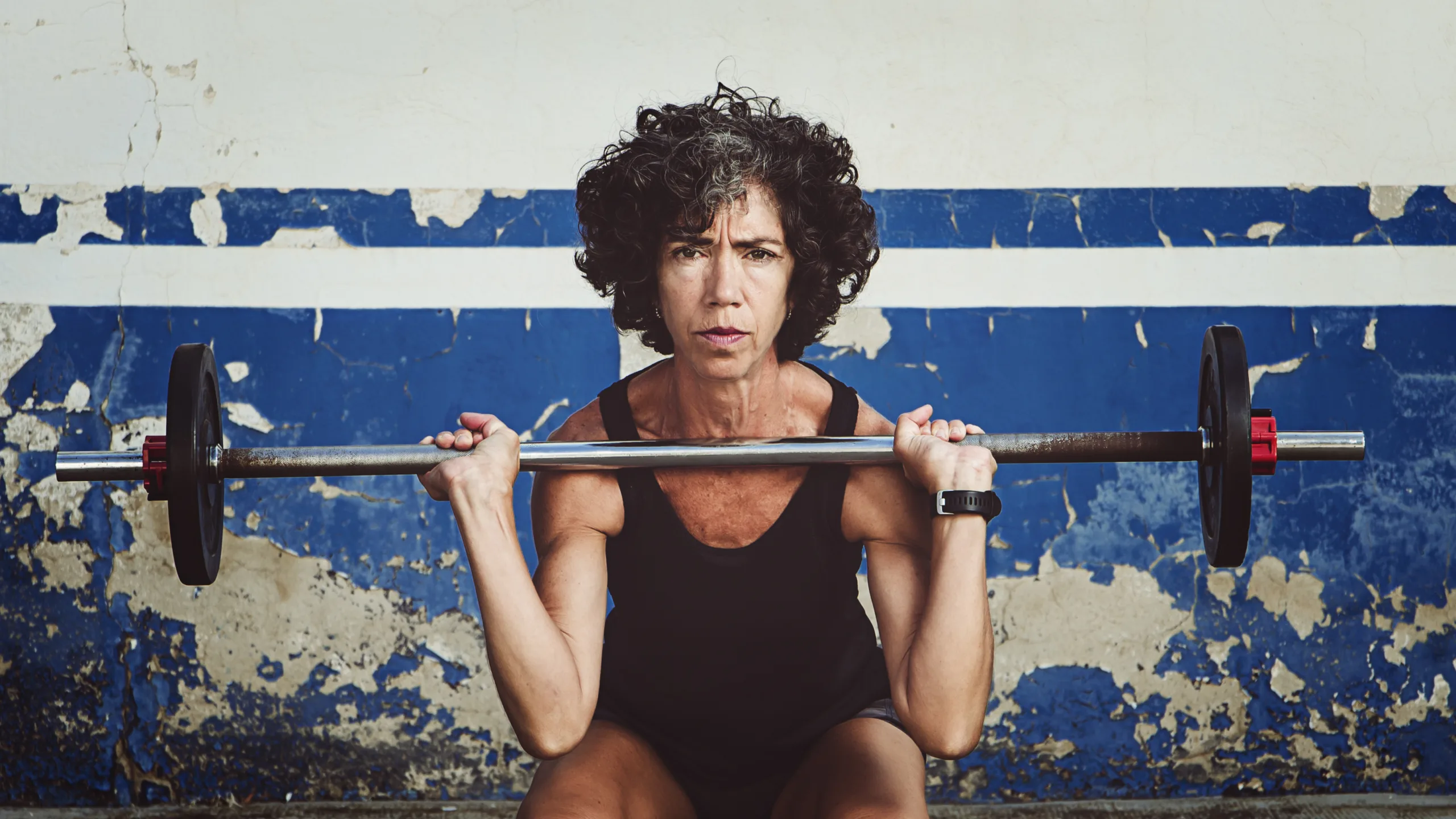
- The Heavy Lifting: Weight training or resistance exercises to keep bones strong.
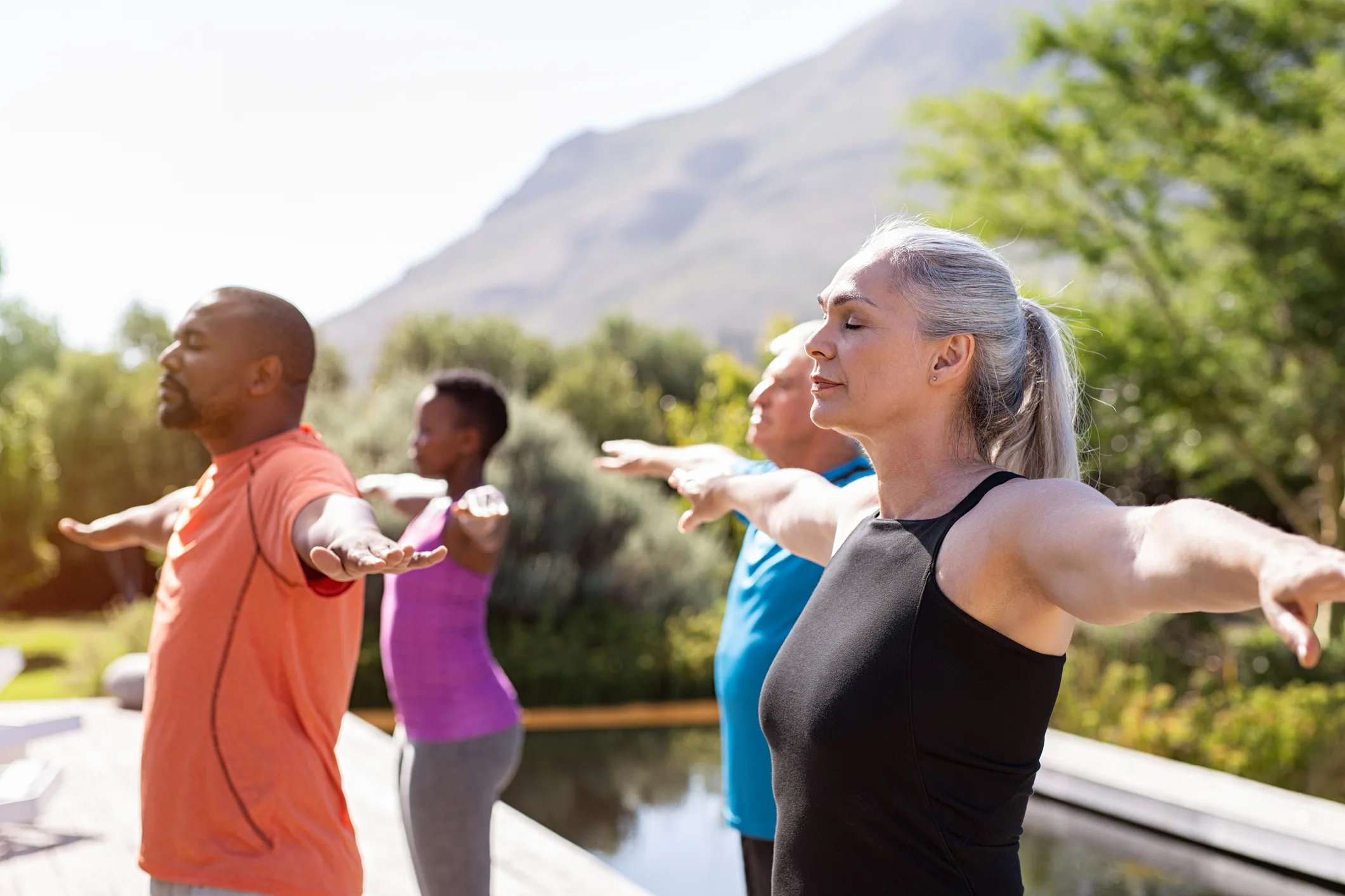
- Functional Movement: Climbing stairs, rowing, or calisthenics.
- The “Secret” Workouts: Gardening, heavy yard work (digging/chopping), and even floor chores.
Why It Works for the 50+ Crowd
As we age, our bodies become very efficient at repetitive motions. If you only walk, your “walking muscles” are in great shape, but your balance, lateral stability, and upper-body strength may start to retire early.
By becoming a “fitness generalist,” you:
- Avoid Overuse Injuries: Giving your knees a break from the pavement by swapping a walk for a swim or a gardening session.
- Challenge Your Brain: Learning a new sport or movement pattern keeps your neurological pathways firing—it’s essentially Sudoku for your muscles.
- Hit the “Sweet Spot”: The study suggested that about 20 MET-hours per week (roughly 5 hours of brisk walking or 2 hours of running) is the optimal threshold for many. Adding variety helps you reach that goal without the boredom.
The Bottom Line
You don’t have to abandon your favorite morning stroll or your Tuesday pickleball game. Just stop making them the only thing you do.
The next time you’re tempted to skip the stairs for the elevator, or you consider hiring a pro to weed the garden, remember: those little variations in movement are exactly what your body needs to stay in the game for the long haul. Keep your body guessing, and it will keep you going.
Source:
Physical activity types, variety, and mortality: results from two prospective cohort studies