If you have spent decades eating your vegetables just to be told you are still doing it wrong, you are officially allowed to roll your eyes. It turns out that even if your diet is pristine, you are likely missing a hidden ingredient your heart needs to stay young.
A 2026 study looked at the eating habits of nearly 31,000 adults. The goal was to see if a standard healthy diet gives us enough flavanols—natural plant nutrients that keep our blood vessels flexible and healthy. Science tells us we need 500 milligrams (mg) a day to get the full heart-protecting benefits. Unfortunately, the study found that almost everyone is missing the mark.
The Hidden Plant Nutrient Deficit
To see if people were getting enough flavanols, researchers didn’t just ask them what they ate. They used objective lab tests to measure the exact amount of nutrients their bodies absorbed. The results showed a major gap between what we think is healthy and what our blood vessels actually need:
- The 25% Problem: Fewer than 1 in 4 people who ate the recommended amount of daily fruits and vegetables actually reached the 500 mg goal.
- The Clean Eating Paradox: Even individuals who ate the highest quality diets—cutting out junk food and loading up on greens—frequently fell short.
- The Volume Issue: The most common fruits and vegetables we eat simply do not contain enough flavanols. To get your 500 mg from standard produce alone, you would have to eat an impossible mountain of food every single day.
Why Normal Produce Falls Short
The issue isn’t your willpower; it’s the food itself. Current health guidelines treat all fruits and vegetables as if they are exactly the same. They focus on basic vitamins and fiber, but completely ignore these specific heart-healthy compounds.
On top of that, modern farming is partly to blame. Over the decades, agriculture has favored making fruits sweeter, shinier, and longer-lasting. Because flavanols can taste a bit bitter or sharp, they have accidentally been bred out of many common supermarket foods. This is why the scientists behind the study are pushing for governments to create a brand-new, specific daily goal just for flavanols.
Simple Ways to Protect Your Aging Heart
As we cross the age 60 threshold, our blood vessels naturally stiffen, making circulation a bit more sluggish. This means targeting flavanols becomes incredibly important. Luckily, you don’t need to completely overhaul your kitchen or eat thousands of extra calories. You just need to make a few smart, intentional swaps:
- Drink More Tea: High-quality black and green teas are the absolute easiest way to close the nutrient gap. Drinking just two to three brewed cups a day can get you to the 500 mg goal all by itself.
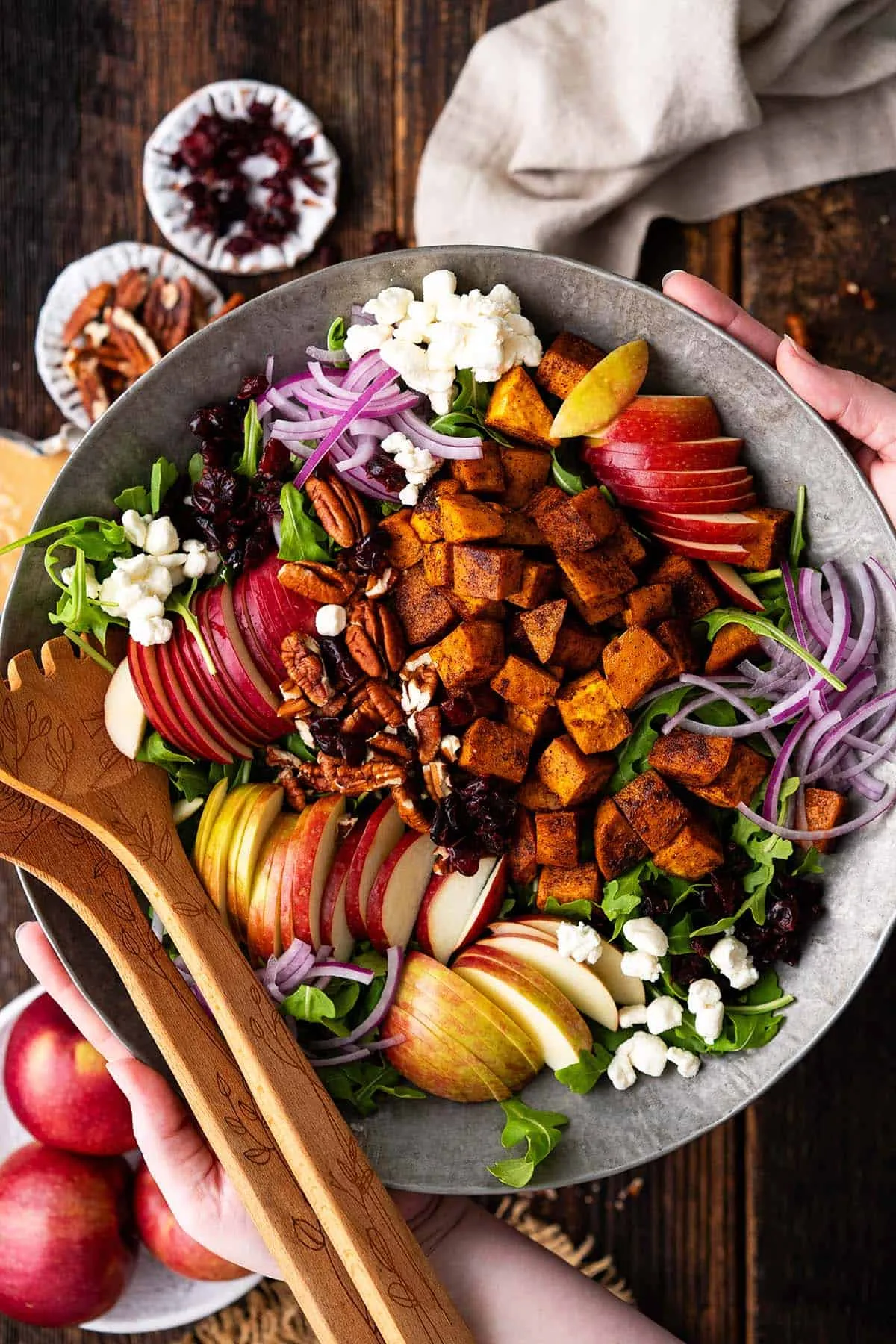
- Pick the Right Fruits: Instead of bananas or citrus, load up on blackberries, blueberries, and apples. Just make sure to leave the skin on your apples, because that is where the highest concentration of the nutrient hides.
- Upgrade Your Cocoa: Real cocoa is packed with flavanols, but the way standard chocolate is manufactured destroys them. Look for high-flavanol cocoa powders or specialized supplements that clearly state the nutrient amount on the label, rather than just buying regular dark chocolate bars.
Takeaway
So, keep eating your broccoli, but don’t expect it to do all the heavy lifting for your cardiovascular system. If you want to keep your circulation smooth and your cardiologist happy, it is time to focus on specific, nutrient-dense foods. Go ahead and pour yourself that second cup of tea and grab a handful of berries. Consider it a doctor’s order that actually tastes good.
Source: