Remember when you could eat a slice of cold pizza over the kitchen sink at 2:00 AM and wake up feeling like an Olympic athlete? Yes, those days are firmly in the rearview mirror. As we cross into the golden territory of 50 and beyond, our bodies begin to dropping subtle—and not-so-subtle—hints that things are changing. One of the most frustrating shifts is that food can start tasting a bit… muted. It isn’t just your imagination; our taste buds and olfactory receptors naturally decrease in sensitivity as we age, which often tempts us to reach for the salt shaker or overprocessed foods to overcompensate.
But a healthy diet doesn’t mean sentencing your palate to a lifetime of unseasoned boiled chicken and plain rice. According to modern dietetics and culinary research, the secret to a vibrant, nutrient-dense diet in our later decades isn’t subtraction—it’s addition. By strategically incorporating healthy flavor boosters, you can revitalize your meals, protect your cardiovascular system, and bring the joy back to the dinner table without risking your blood pressure.
The Physiology of Aging and Taste
As the body ages, multiple physiological changes occur that directly alter how we experience food and absorb nutrients:
- Diminished Sensory Perception: The number of functional taste buds decreases over time, and the body produces less saliva, which is essential for dissolving food particles so they can interact with taste receptors.
- Reduced Nutrient Absorption: The digestive tract undergoes changes—such as lower stomach acid production—that can reduce the absorption of critical micronutrients like Vitamin B12, calcium, and iron.
- Cardiovascular and Metabolic Shifts: The risk of hypertension and insulin resistance rises significantly after age 50. This necessitates a conscious reduction in sodium and refined sugars, making alternative flavor enhancers vital.
Expert-Approved Flavor Boosters with Medical Benefits
To keep meals deeply satisfying while adhering to medical guidelines, nutritionists recommend using whole-food flavor boosters. These ingredients rely on natural compounds, acids, and healthy fats rather than excess sodium or artificial additives.
1. Citrus Zest and Acidic Elements
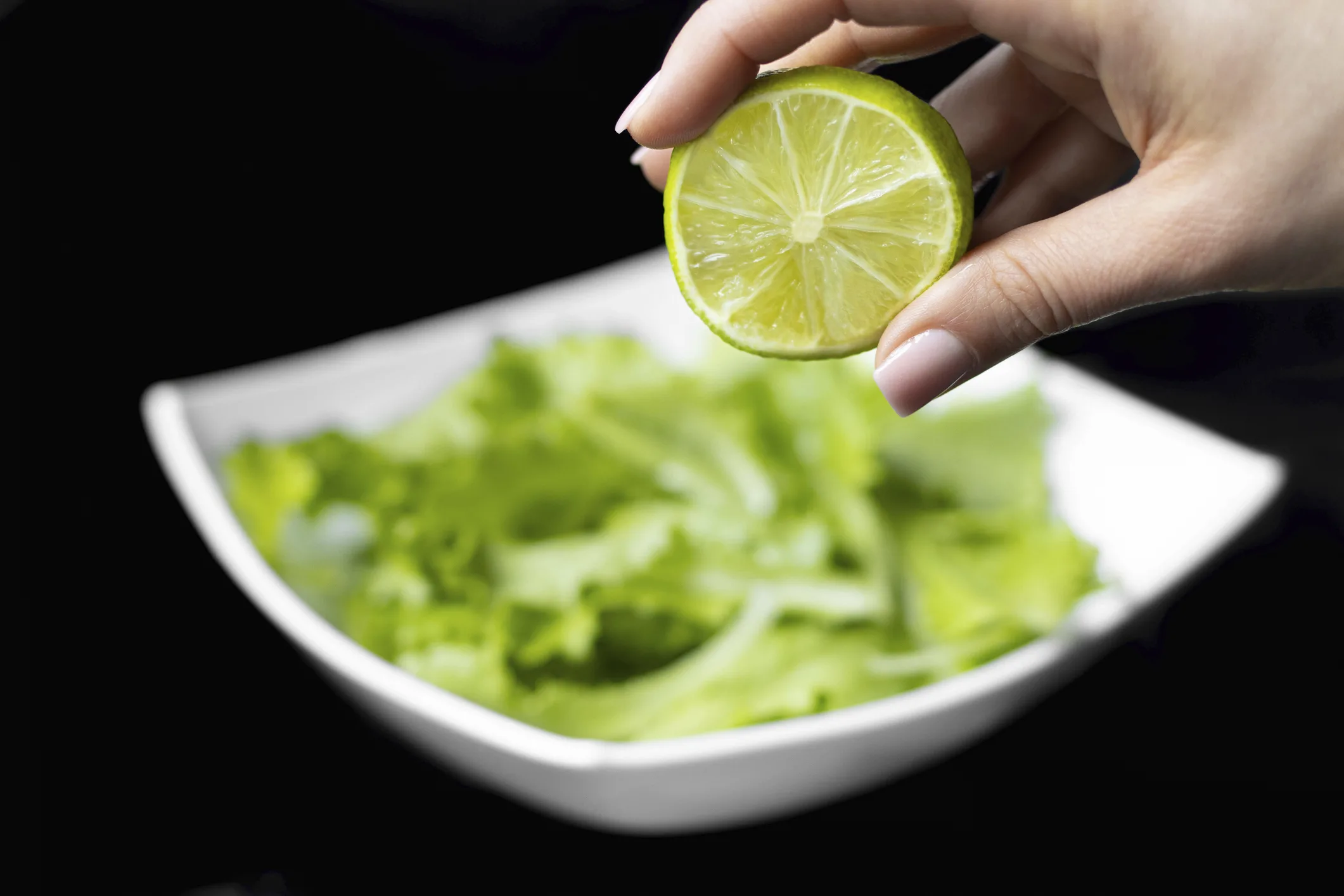
When a dish feels flat, it usually lacks acid, not salt. Fresh lemon, lime, or orange juice and zest act as instant flavor elevators.
-
- Medical Value: Citrus zests are rich in bioactive flavonoids and antioxidant phytochemicals like vitamin C, which actively support immune function and combat oxidative stress.
- Clinical Application: Drizzling lemon juice over bitter leafy greens (like kale or spinach) improves the biological availability of non-heme iron, making it easier for an aging digestive tract to absorb.
2. High-Polyphenol Extra Virgin Olive Oil (EVOO)

Fat carries flavor across the tongue. Substituting saturated fats like butter with a high-quality extra virgin olive oil introduces a robust, peppery, or fruity note to your food.
-
- Medical Value: EVOO is a cornerstone of the Mediterranean diet, highly celebrated for its high concentration of monounsaturated fatty acids and oleocanthal—a compound with documented anti-inflammatory properties.
- Clinical Application: Regular consumption of extra virgin olive oil supports endothelial health (the inner lining of your blood vessels) and assists in maintaining a healthy LDL-to-HDL cholesterol ratio.
3. Anti-Inflammatory Spices and Herbs
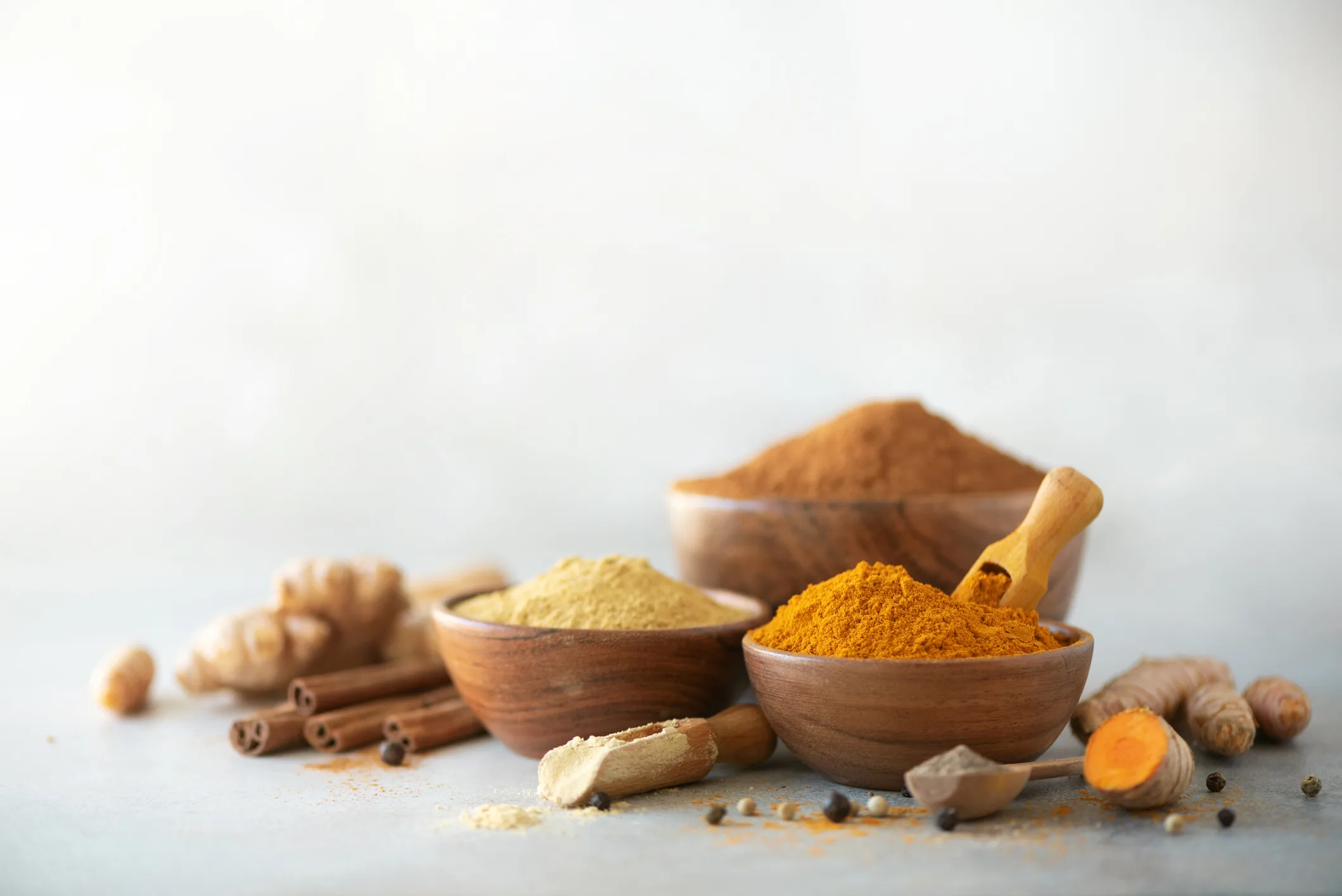
Spices provide a complex sensory experience that bypasses the need for high-sodium seasoning blends.
-
- Medical Value: Spices like ginger, cinnamon, and turmeric contain powerful active compounds (such as gingerols and curcumin) that target systemic inflammation. Cinnamon, for example, has been shown in various metabolic studies to improve insulin sensitivity and support better glycemic control.
- Clinical Application: Using fresh or dried herbs like mint, rosemary, and thyme adds depth to proteins and vegetables while introducing antimicrobial properties that benefit the gut microbiome.
4. Nut and Seed Butters
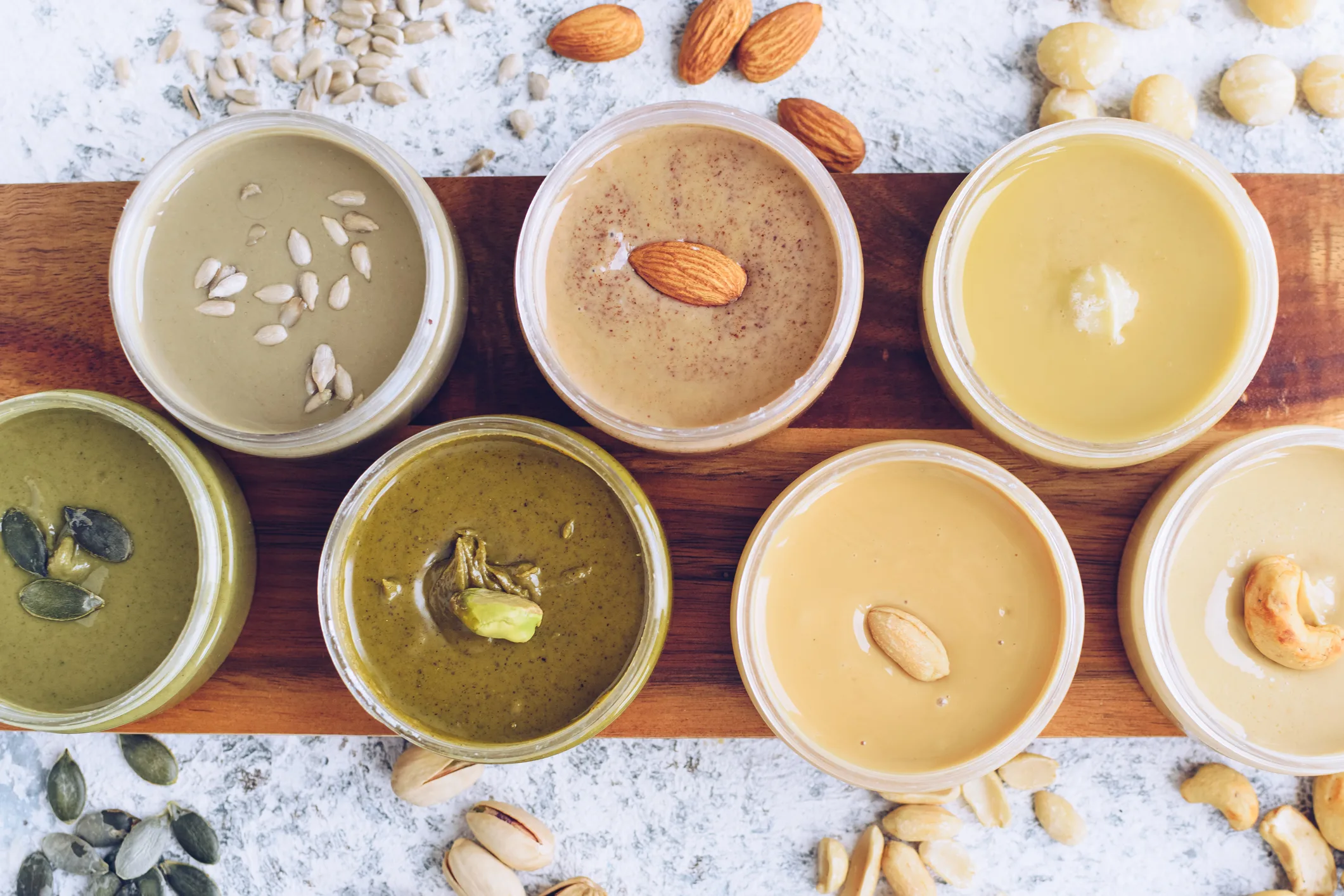
Swirling a spoonful of almond, walnut, or sunflower seed butter into oatmeal, sauces, or stews creates a luxurious texture and deepens the overall flavor profile.
-
- Medical Value: Nuts and seeds are exceptional sources of plant-based omega-3 fatty acids, dietary fiber, and magnesium.
- Clinical Application: Incorporating nut butters into meals slows down digestion, preventing post-meal blood sugar spikes and aiding in sustained satiety. Walnuts, in particular, are rich in alpha-linolenic acid (ALA), supporting cognitive and cardiovascular wellness.
Constructing a Balanced, High-Flavor Plate
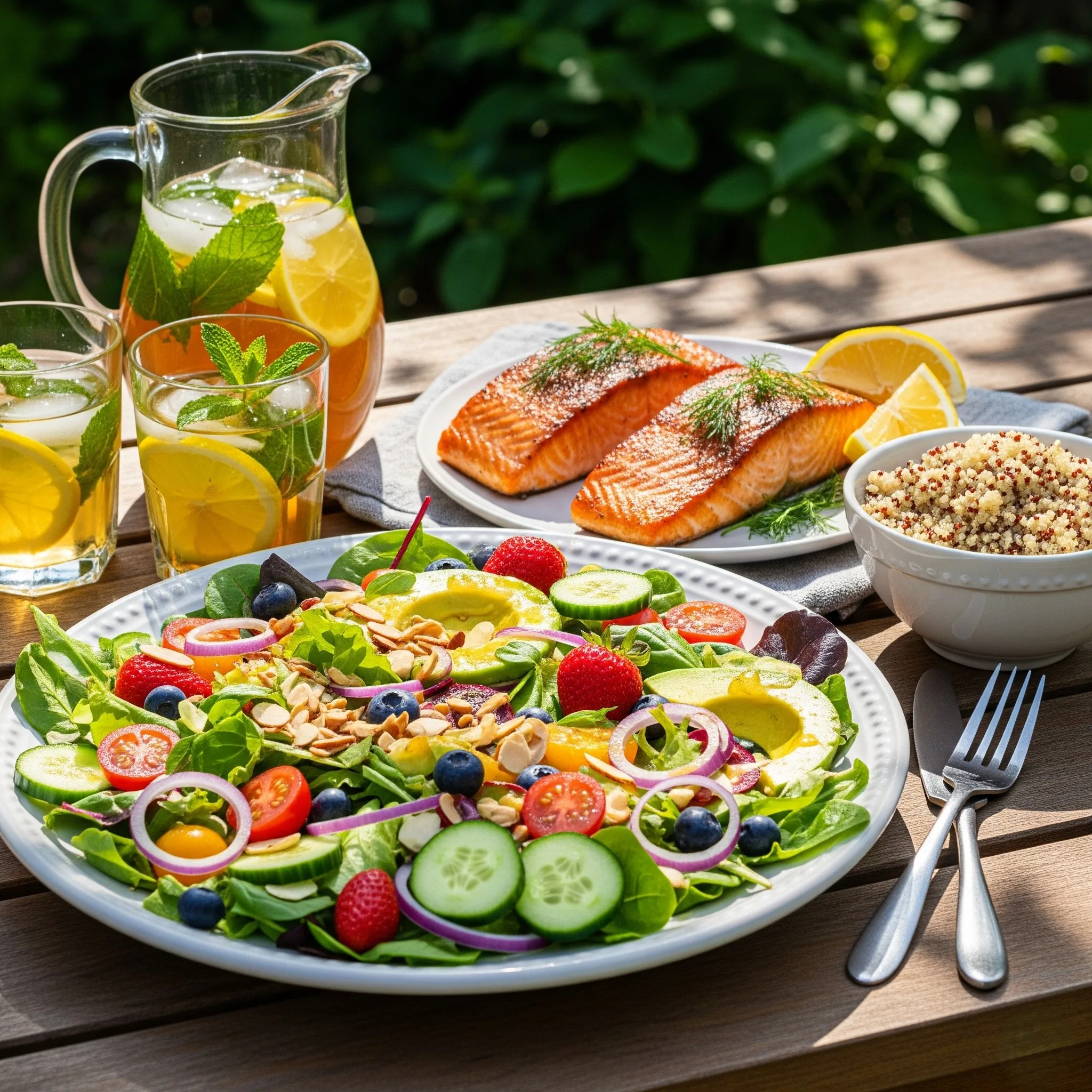
Achieving optimal nutrition after 50 relies on combining these flavor boosters with a foundation of nutrient-dense whole foods. Medical professionals advise structured dietary targets to prevent age-related muscle loss (sarcopenia) and support bone density.
| Dietary Component | Recommended Daily Focus | Ideal Flavor Enhancers |
| Lean Proteins | Seafood, poultry, legumes, and eggs | Garlic powder, ginger, fresh rosemary, and a squeeze of lime juice |
| Fibrous Vegetables | 3–5 cups daily of leafy greens, cruciferous, and root vegetables | Toasted sliced almonds, balsamic vinegar, and a drizzle of extra virgin olive oil |
| Whole Grains | Steel-cut oats, quinoa, barley, and brown rice | Ground cinnamon, nutmeg, or a swirl of natural walnut butter |
| Fermented Dairy | Low-sugar Greek yogurt or kefir | Fresh berries, a touch of honey, or pure vanilla extract |
Wrapping It Up
Ultimately, upgrading your kitchen strategy isn’t about eating like a monk; it’s about cooking like an expert who values both longevity and a properly seasoned dinner. You’ve spent more than half a century earning the right to enjoy the finer things in life, and that absolutely includes your food. So, swap out the excess sodium for a splash of fresh citrus zest, give your vegetables a generous drizzle of real olive oil, and let your spices do the heavy lifting. After all, you want to make sure your body stays in pristine condition—if only to ensure you’re around long enough to irritate the next generation with your unsolicited, hard-earned wisdom. Bon appétit!
Source: