Flexibility is many times overlooked when it comes to physical fitness, but it is essential for older adults. We’d go so far as to say if you had limited time for a workout and had to choose between cardio, strength training, or stretching, we’d recommend cardio, stretching and strength training, in that order.
Why? Simply put, stretching is one of the most important aspects of maintaining your body’s overall wellbeing.
Think about it. Even simple, everyday movements such as reaching up to grab something from a high shelf or bending down to tie your shoes require a certain level of flexibility. And our lack of flexibility naturally increases as we age. Without the necessary flexibility, older adults run the risk of falls, stiffness and discomfort in your joints, back pain due to muscle tension and lack of blood flow, and overall poor posture.
However, if you add stretching into your daily routine, your long muscles become more supple while your short muscles become stronger.
Stretching’s Impact on Long Muscles
Think of your hamstrings (back of your thighs). Stretching them increases the length of the muscle-tendon unit. This allows for greater hip and knee flexion, improving your ability to bend and move freely.
Additionally, as your muscles become more supple, they can move through a wider range of motion, reducing strain on your joints.
Stretching’s Impact on Short Muscles
Strengthening the short muscles surrounding a joint (like the rotator cuff muscles in your shoulder) provide stability and support. This reduces the stress placed on the joint itself, minimizing wear and tear.
Balanced Movements
When long muscles are flexible and short muscles around joints are strong, you have a balanced system. This allows for smooth, coordinated movements, reducing the risk of injury and improving your overall function.
Types of Stretching
There are a few different stretching techniques. The most recognizable is static stretching, where you hold a particular position for a brief period (usually 10-60 seconds).
Dynamic stretching, on the other hand, uses controlled movement or momentum to stretch muscles – and is typically performed a few times. The walking lunge is a good example of a dynamic stretch. Yoga and Pilates are also forms of flexibility training that have a strength element.
But Don’t Forget Strength Training
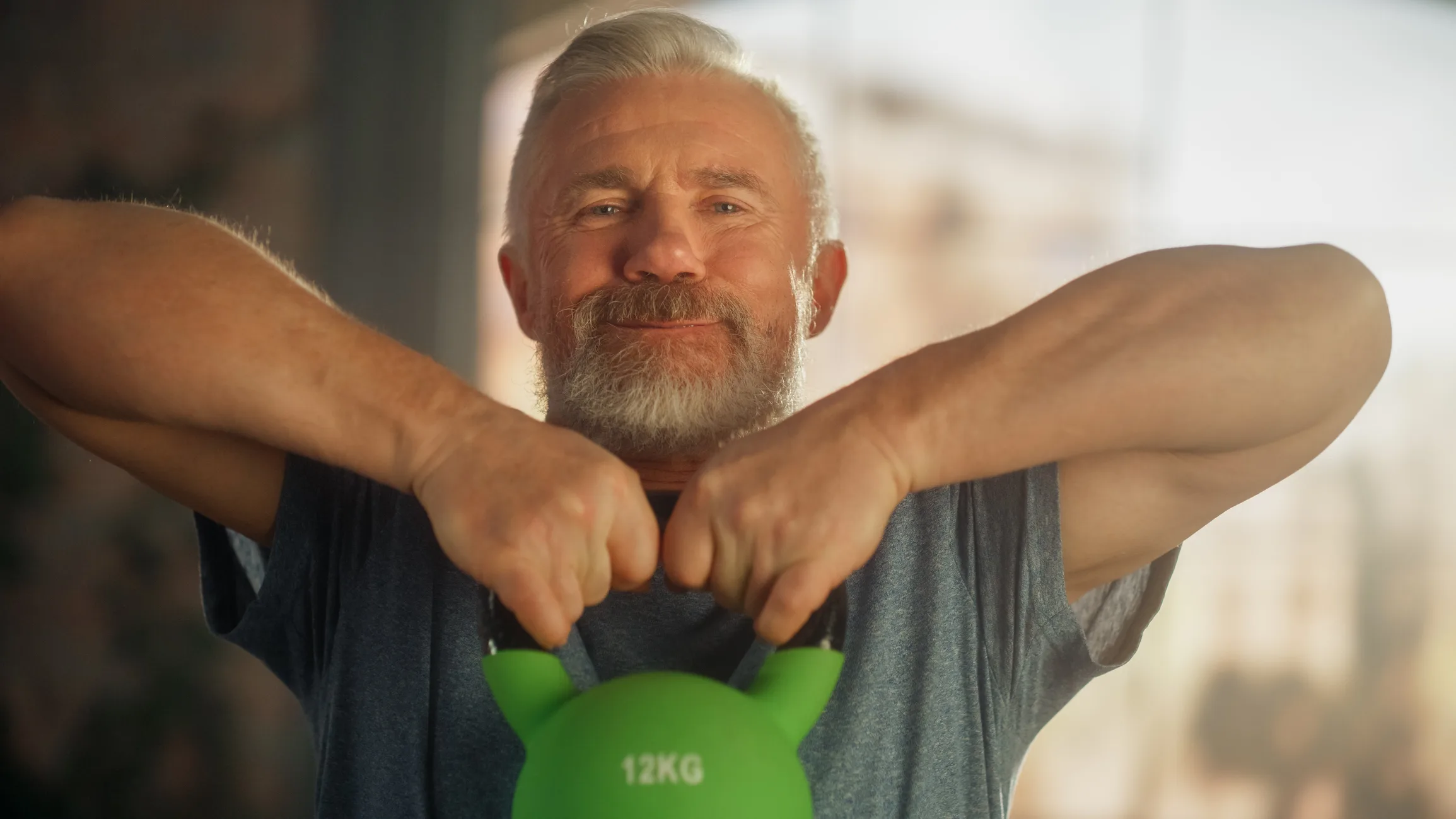
Stretching focuses on increasing the length and flexibility of muscles that cross multiple joints, while strengthening exercises target the muscles that directly surround and support those joints. Both are essential for maintaining optimal function, reducing injury risk, and improving your overall quality of movement.
Source:
Ageing – muscles bones and joints
Muscle strength and balance are important for healthy joint
Static vs. Dynamic Stretching: What Are They and Which Should You Do?