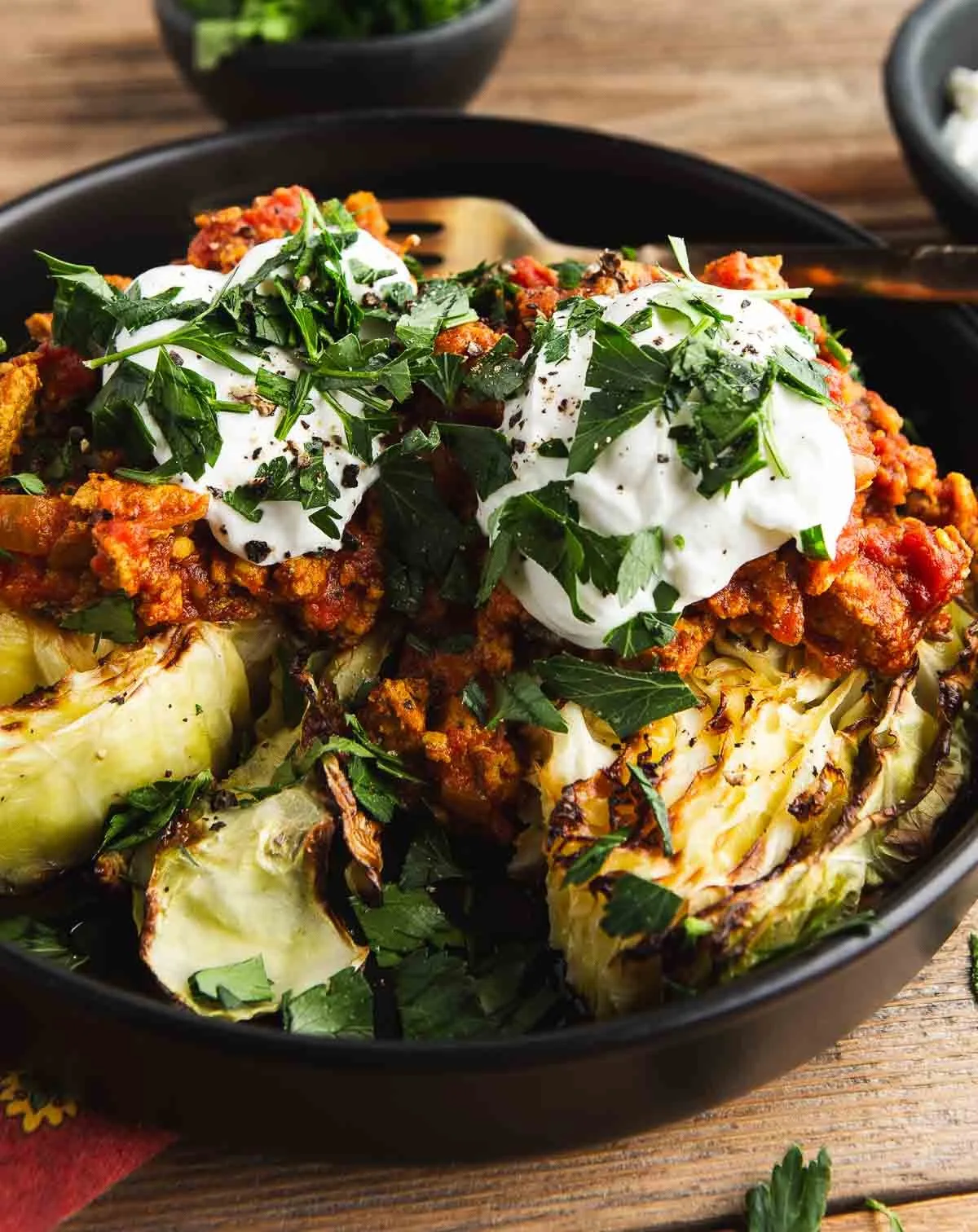
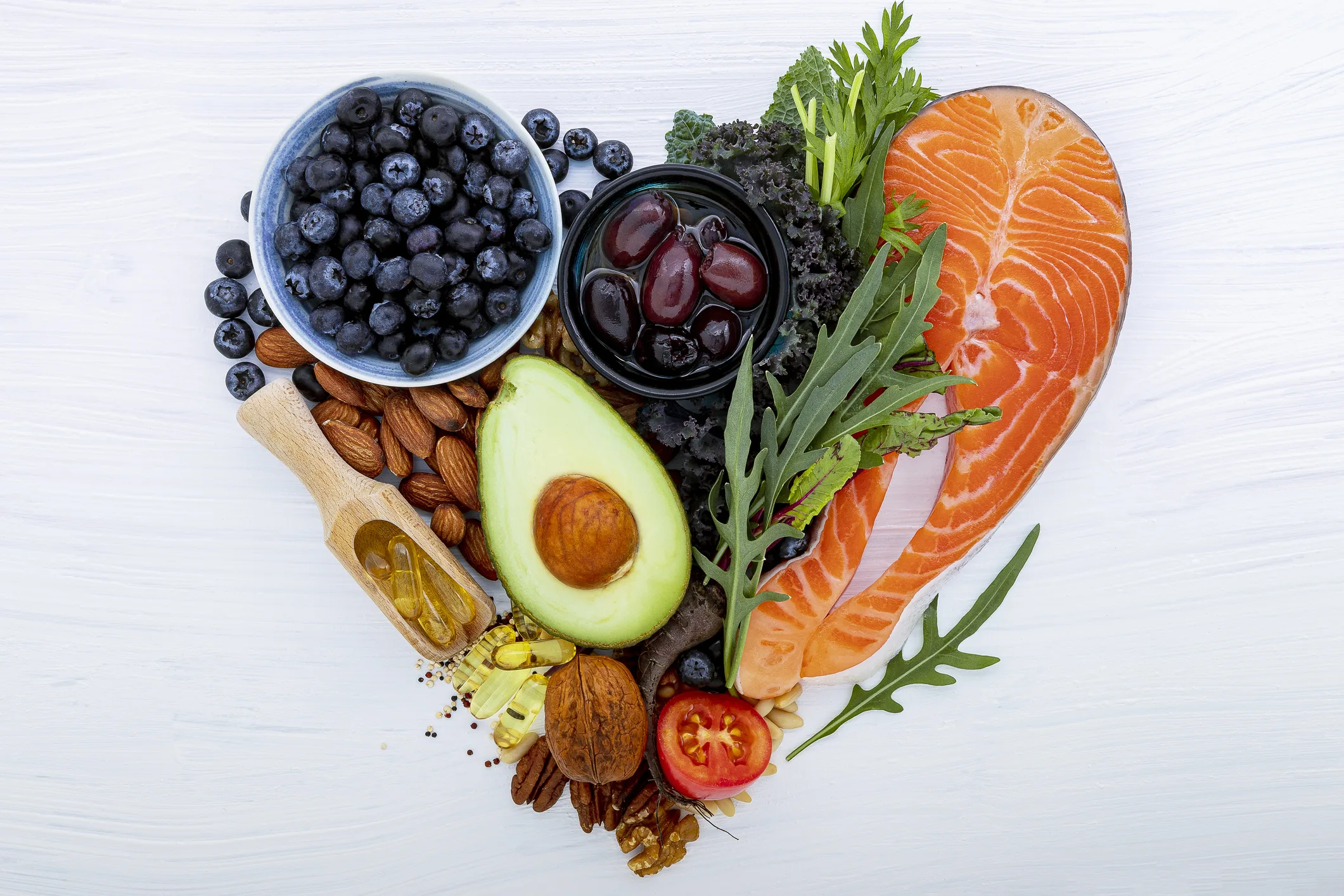
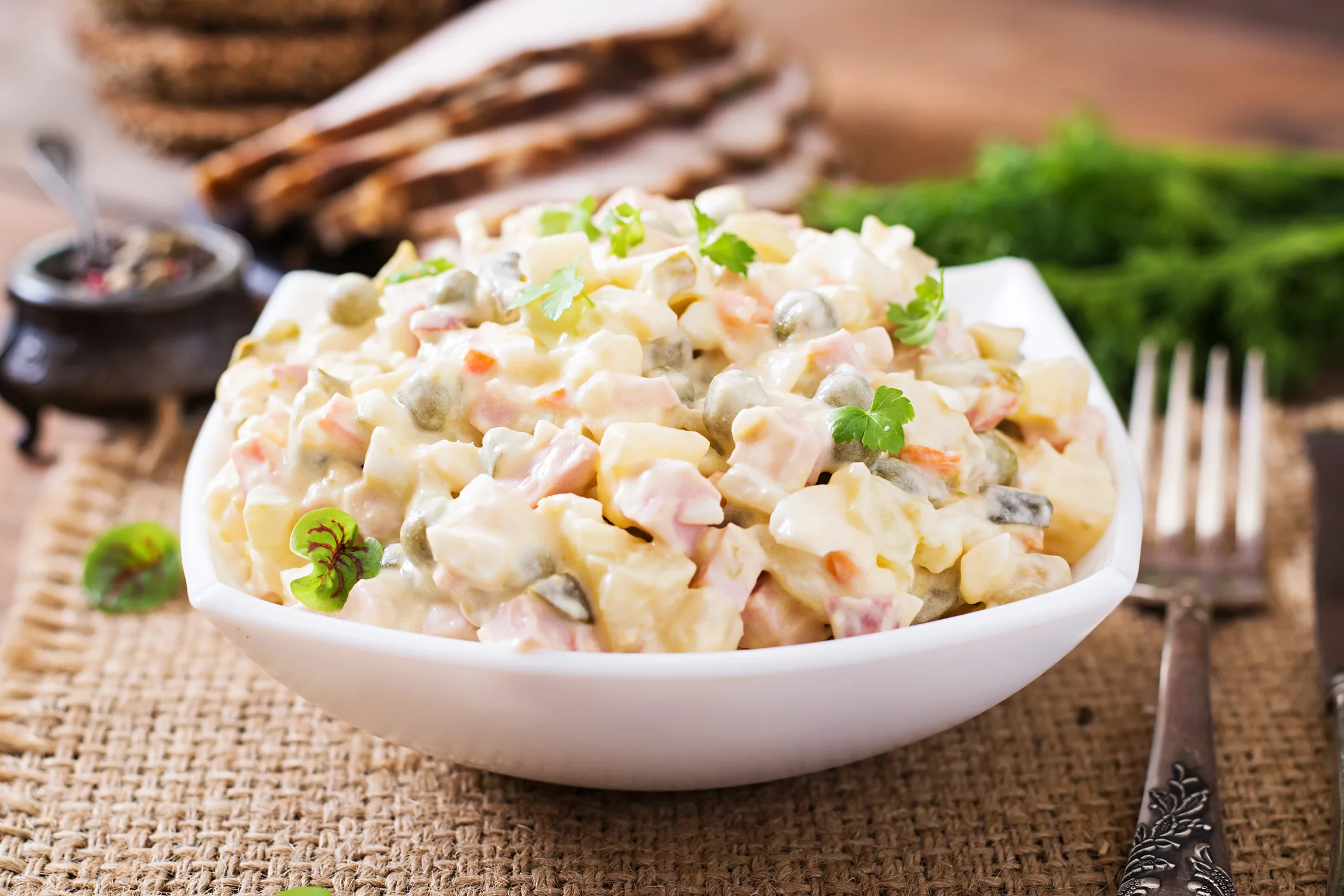
Let’s be honest: by the time we hit our fifties and beyond, we’ve probably spent enough time in the kitchen to qualify for a culinary degree—or at least a lifetime achievement award for “Most Creative Use of Leftovers.” But if your spice cabinet currently resembles a dusty museum of dried oregano from the Bush administration, it might be time for an intervention. We’ve reached the age where we appreciate the finer things, and frankly, our taste buds deserve better than “dusty and vaguely herbal.” Fresh herbs are the kitchen’s equivalent of a good pair of reading glasses—they make everything clearer, brighter, and much more enjoyable.
The Science of Freshness: Why Fresh Beats Dried
Fresh herbs are far more than a decorative sprig on the side of a plate. They are biologically distinct from their dried counterparts due to their high water content (80–90%) and the presence of volatile oils. These oils are the source of the herb’s aroma and complex flavor profile. When herbs are dried, these oils evaporate, often leaving behind a muted, one-dimensional version of the original plant.
In addition to superior flavor, fresh herbs offer significant nutritional advantages. They are concentrated sources of:
- Vitamin K: Essential for bone health and blood clotting.
- Vitamin C: A powerful antioxidant that supports immune function and skin health.
- Polyphenols: Plant compounds with anti-inflammatory and antimicrobial properties.
Understanding Your Greens: Tender vs. Woody
To maximize the impact of fresh herbs, it is crucial to distinguish between tender and woody varieties, as they require different handling in the kitchen.
- Tender Herbs (Basil, Cilantro, Parsley, Mint, Dill, Chives): These have soft stems and delicate leaves. Their volatile oils are easily destroyed by heat. To preserve their bright flavor and vibrant color, they should be added during the final 1 to 2 minutes of cooking or used as a raw garnish.
- Woody Herbs (Rosemary, Thyme, Oregano, Sage): These possess firm, fibrous stems and heartier leaves. Their oils are more stable and require heat to be released. These should be added early in the cooking process—typically during the first 15 to 20 minutes—to infuse soups, stews, and roasts with deep, earthy flavors.
The 3-to-1 Rule: Making the Switch
If a recipe calls for dried herbs and you wish to upgrade to fresh, or vice versa, the standard conversion is a 3-to-1 ratio. Because dried herbs are more concentrated, you need three times the amount of fresh herbs to achieve a similar flavor intensity.
- Example: 1 tablespoon of fresh basil = 1 teaspoon of dried basil.
- Pro-Tip: Never substitute dried basil or cilantro for fresh in raw dishes like salads or salsas; the flavor profiles are too different to be interchangeable.
Health Benefits: Reducing Sodium Without Sacrificing Flavor
For those managing blood pressure or looking to improve heart health, fresh herbs are a powerful tool for sodium reduction. They contain natural glutamates and aromatic compounds that stimulate the palate in a way that mimics the flavor-enhancing effects of salt. Research suggests that incorporating fresh herbs can allow you to reduce salt intake by 25% to 50% without the dish tasting bland. Over time, your palate adapts to these nuanced flavors, making highly processed, salty foods less appealing.
Proper Storage to Prevent Waste
The primary deterrent to buying fresh herbs is often how quickly they wilt. However, with proper storage, you can extend their lifespan significantly:
- The Bouquet Method: For tender herbs (except basil), trim the stems and place them in a glass of water in the fridge, loosely covered with a plastic bag.
- The Damp Paper Towel: For woody herbs, wrap them in a slightly damp paper towel and store them in a sealed bag in the crisper drawer.
- Freezing: For long-term storage, chop herbs and place them in ice cube trays covered with olive oil. These “herb cubes” can be dropped directly into hot pans for future meals.
Wrapping It Up
So, there you have it. You’re now officially equipped to treat your kitchen like the five-star bistro it was always meant to be. Incorporating fresh herbs isn’t just about cooking; it’s about embracing a lifestyle that values quality, health, and the occasional burst of cilantro-induced joy. After all, we’ve reached the age where we know that life is too short for bland chicken and boring salads. Go forth, spice things up, and remember: if all else fails, just add more parsley and act like you meant to do it. Your heart, your palate, and your dinner guests will thank you.
Source: