Published in the journal Advances in Nutrition, the new International Food Guide Pyramid represents a milestone in dietary science. By comparing the national and regional guidelines of countries like Canada, Germany, Australia, China, the Netherlands, the United States, and the Nordic nations, and synthesizing evidence from over 250 scientific publications alongside the EAT-Lancet Planetary Health Diet, researchers identified the universal fundamentals of nourishing the human body.
“Despite what people often hear, there’s actually substantial agreement in nutrition science about the foundations of healthy eating,” says lead researcher Karen Della Corte. “We wanted to bring those shared principles together and translate an extensive body of scientific evidence into a coherent and practical food guide pyramid.”
The Three Core Pillars of the New Guide
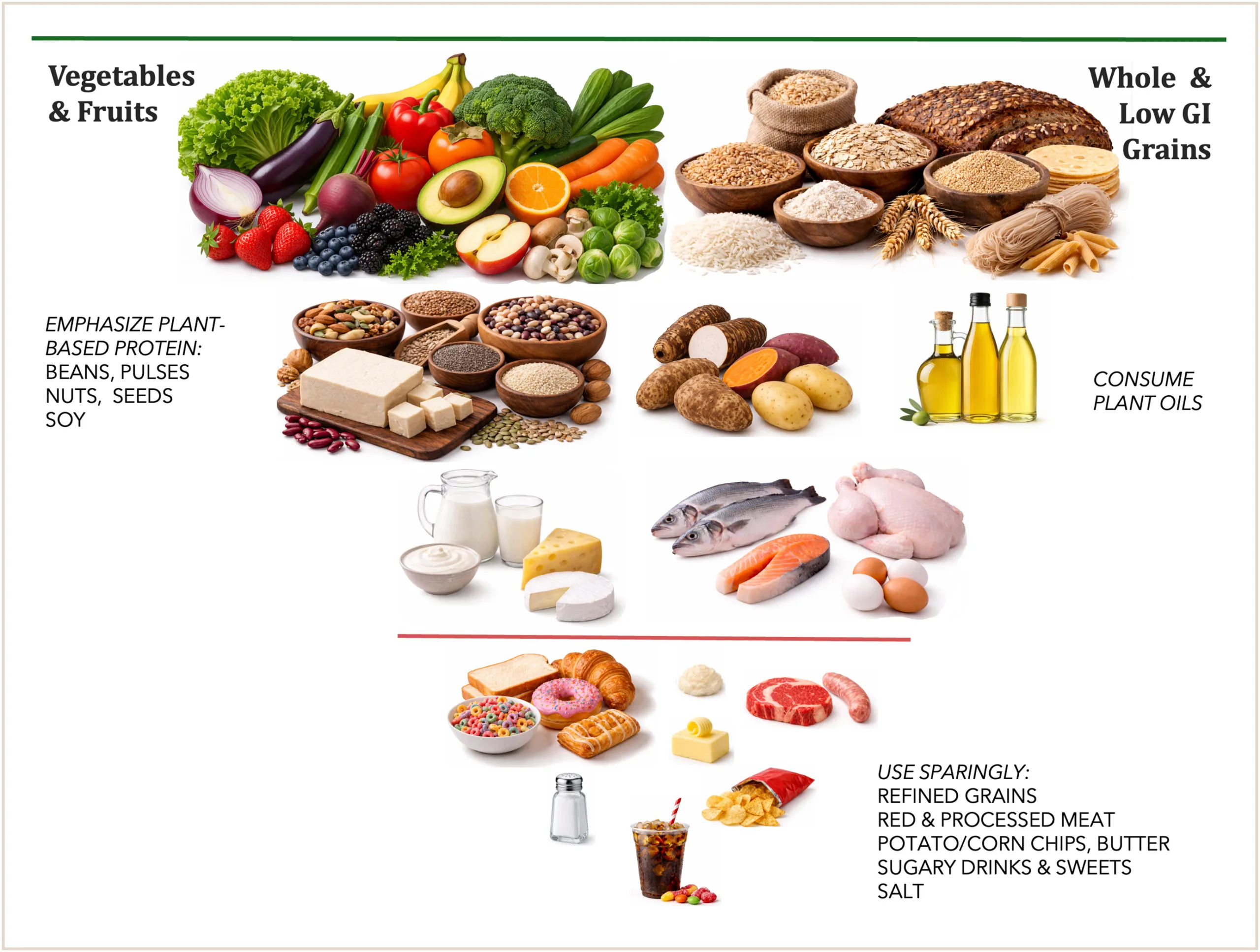
The new framework moves away from confusing, localized restrictions and establishes three foundational guidelines designed to support long-term vitality, metabolic health, and cardiovascular wellness:
- Make Plant Foods the Foundation: Vegetables, fruits, and whole, low-glycemic-index grains form the absolute base of the pyramid.
- Choose Healthier Fats and Proteins: The guide emphasizes plant-based proteins (such as beans, lentils, nuts, and seeds) and unsaturated plant oils, while keeping red and processed meats, butter, and heavy saturated fats strictly limited.
- Prioritize Carbohydrate Quality: Rather than eliminating carbohydrates, the pyramid focuses heavily on fiber content, food structure, and how specific carbs impact blood sugar.
Why Carbohydrate Quality Matters As We Age
As we grow older, managing blood glucose and maintaining metabolic efficiency become paramount for preventing type 2 diabetes and preserving energy. The international panel emphasizes that not all carbohydrates affect the body equally.
“For both health and sustainability reasons, carbohydrate-rich foods should provide a substantial share of our energy, so their quality is particularly important,” notes Anette Buyken, a professor at Paderborn University in Germany. “Alongside sugar and fiber content, we should consider how these foods affect blood glucose, as reflected by their glycemic index, especially because many people worldwide are insulin resistant and therefore at increased risk of type 2 diabetes.”
By choosing high-fiber, low-glycemic sources—such as whole-grain breads, steel-cut oats, and legumes—instead of refined white flours and sugary beverages, older adults can better protect their cardiovascular and metabolic health.
Practical Application: Eating Well Locally and Culturally
One of the most practical aspects of the new international guide is its flexibility. A healthy diet does not require importing expensive specialty foods or abandoning culinary traditions. Whether your pantry features basmati rice, whole-wheat tortillas, bulgur, or durum pasta, the underlying principles can be adapted to fit local, affordable staples.
Della Corte offers several straightforward ways to put these principles into practice at home:
- Design meals around plants: When planning lunch or dinner, start by deciding which vegetables, beans, lentils, or whole grains will take center stage, letting meat play a supporting role rather than dominating the plate.
- Upgrade your proteins: Opt for fish, poultry, beans, peas, lentils, or yogurt more frequently than red or processed meats.
- Smart snacking: Swap processed, packaged snacks for nuts, seeds, fresh fruit, or raw vegetables paired with hummus.
- Swap cooking fats: Use heart-healthy plant oils like olive or canola oil in place of animal fats such as butter or tallow.
- Reconsider beverages: Choose plain water or sugar-free sparkling water instead of sugary sodas, which research links to heightened health risks.
Furthermore, adopting these plant-forward habits carries a dual benefit. As David Jenkins of the University of Toronto—creator of the glycemic index—points out: “Our diet has to be not only for our own health but also for the health of our planet.” Synthesizing global findings, the EAT-Lancet Commission estimates that widespread adoption of these dietary patterns could prevent millions of premature deaths annually while significantly reducing the environmental footprint of food production.
Takeaway
Embracing this new international guide doesn’t mean transforming your kitchen into an austere sanctuary where culinary joy goes to die. It simply means letting plants lead the way a bit more often, ensuring your daily carbohydrates support your long-term energy and blood sugar, and enjoying your meals with the quiet reassurance that science has finally gotten its act together.
Source:
Toward International Dietary Guidance: A Food Guide Pyramid for Human and Planetary Health
A New International Food Pyramid Emphasizes Veg, Whole Grains, and Cultural Adaptability