Hitting 60 comes with a lot of well-deserved perks—senior discounts, retirement plans, and the sudden, unprompted ability to predict rain with your knee. But if you’ve ever woken up in the middle of the night feeling like your big toe has spontaneously combusted, your joints might be predicting something else entirely: gout. Historically dubbed the “disease of kings” because it afflicted royals who feasted endlessly on meat and alcohol, gout is essentially a very painful reminder that our bodies are no longer in their twenties. The good news? You don’t have to abdicate your throne to find relief. You just need to tweak what’s on your royal banquet table.
Understanding the Gout-Diet Connection
Gout is a highly inflammatory form of arthritis caused by hyperuricemia—an excess of uric acid in the bloodstream. Uric acid is a natural waste product created when the body breaks down chemicals called purines. While purines occur naturally in the body, they are also heavily concentrated in certain foods.
As we age, our kidneys naturally undergo changes and may not filter waste quite as robustly as they once did. When older adults consume a high-purine diet, the kidneys can struggle to excrete the excess uric acid. This causes sharp, needle-like urate crystals to form in the joints, triggering the sudden and intense pain of a gout flare-up.
According to the American College of Rheumatology, “Dietary changes can be an important part of managing gout and lowering uric acid levels, though they often work best in tandem with medication.” By shifting to a Low-Purine Diet, you directly reduce the metabolic load on your kidneys and lower your uric acid levels.
The Low-Purine Protocol: Foods to Avoid
To prevent uric acid spikes, clinical guidelines recommend strictly limiting foods that introduce a heavy purine load into your system:
- Organ Meats: Liver, kidneys, and sweetbreads are exceptionally high in purines and should be avoided completely.
- Specific Seafood: Anchovies, sardines, scallops, mussels, herring, and mackerel.
- Alcohol: Beer is the worst offender because brewer’s yeast is highly concentrated in purines. Hard liquors also impede the kidneys’ ability to process uric acid.
- Sugary Drinks: Beverages sweetened with high-fructose corn syrup are a major modern trigger. The body’s process of breaking down fructose forcefully stimulates the production of uric acid.
Foods to Enjoy: The Gout-Friendly Plate
Fortunately, a gout-friendly diet aligns perfectly with standard heart-healthy guidelines for older adults. These foods not only lack purines but, in some cases, actively help your body clear out excess uric acid:
- Fresh Produce: Almost all fruits and vegetables are safe and encouraged. Tart cherries and citrus fruits are especially beneficial; research shows that vitamin C helps the kidneys filter and excrete uric acid more efficiently.
- Low-Fat Dairy: Skim milk and low-fat yogurt contain specific proteins—casein and lactalbumin—that have been medically shown to promote uric acid excretion.
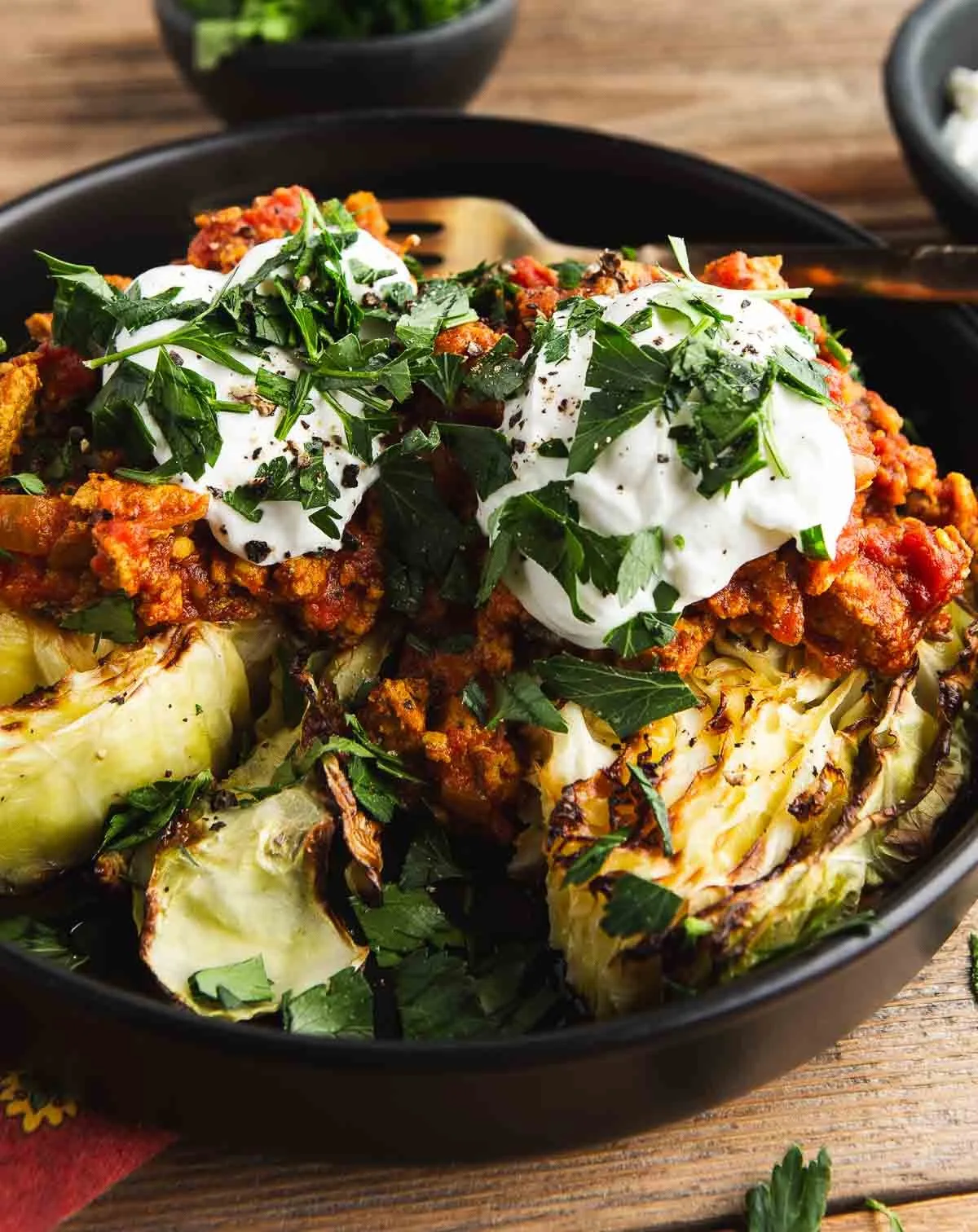
- Plant-Based Proteins: Beans, lentils, nuts, and tofu are excellent, safe alternatives to heavy meats.
- Complex Carbohydrates: Whole grains, potatoes, and brown rice provide essential dietary fiber and steady energy without spiking uric acid.
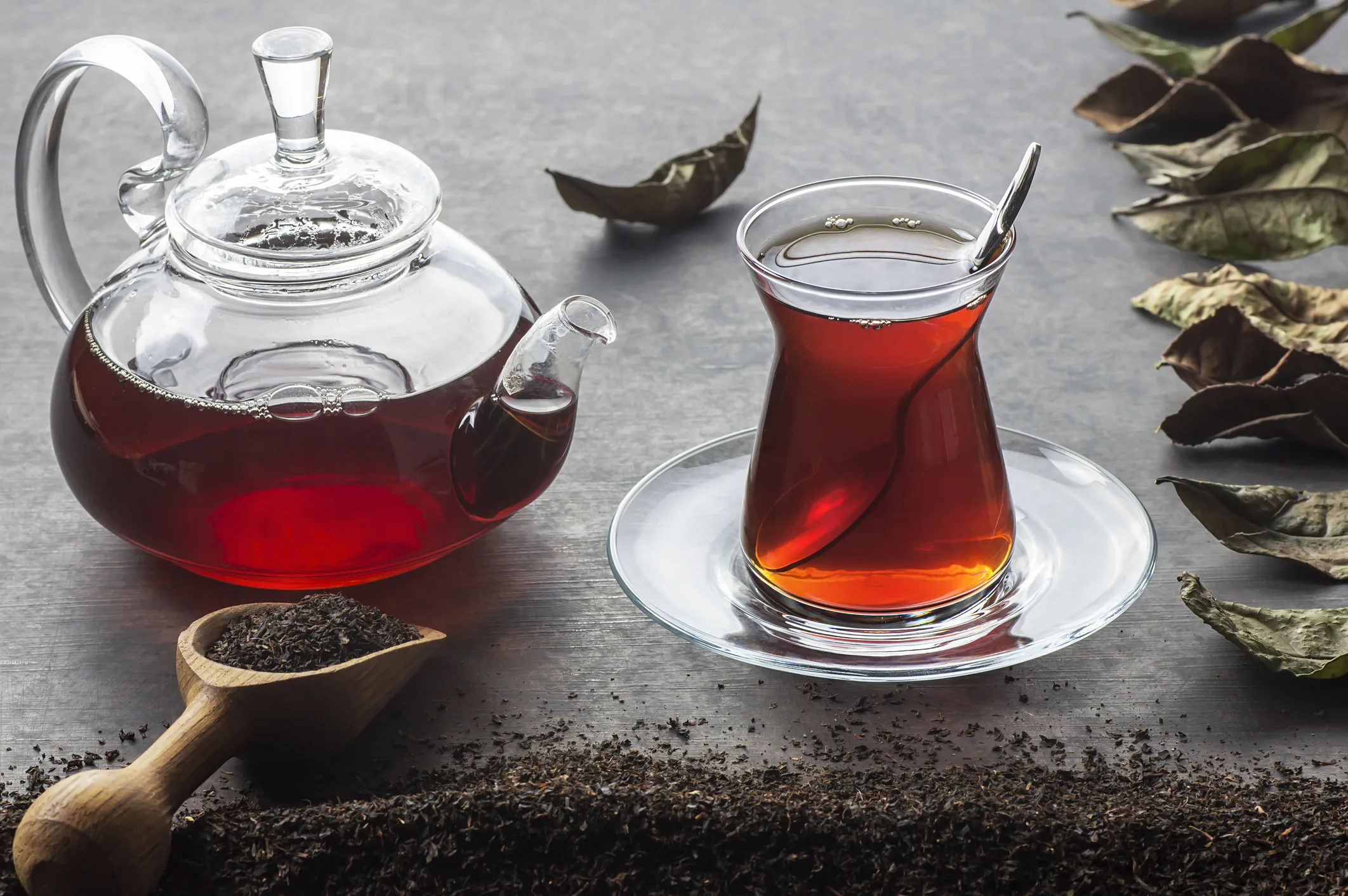
- Hydration: Drinking plenty of water is critical for flushing the kidneys. Additionally, regular consumption of black coffee has been linked to a lower risk of gout flares.
The Middle Ground: Moderation is Key
Managing gout does not require a diet of absolute deprivation. Certain foods are perfectly safe when eaten in moderation:
- Moderate Meats: Beef, lamb, pork, and poultry can be enjoyed in conservative portions (around 3 to 4 ounces per serving, a few times a week).
- Certain Vegetables: While asparagus, spinach, and mushrooms contain moderate purines, modern rheumatology studies show that plant-based purines do not increase the risk of gout flare-ups the way animal purines do.
- Wine: If you choose to drink alcohol, up to one glass of wine per day is generally considered safer than beer or spirits, though zero alcohol is recommended during an active flare.
| Purine Level | Meat & Protein | Beverages | Produce & Carbs |
|---|---|---|---|
| High (Avoid) | Organ meats (liver, kidneys, sweetbreads), anchovies, sardines, scallops, mussels, herring, mackerel | Beer (brewer’s yeast), hard liquor, high-fructose corn syrup sodas | Yeast extracts (e.g., Marmite) |
| Moderate (Limit) | Beef, lamb, pork, poultry (limit to 3-4 oz per serving) | Wine (maximum 1 glass per day) | Asparagus, spinach, mushrooms (plant purines are safer than animal) |
| Low (Enjoy) | Beans, lentils, nuts, tofu, eggs, skim milk, low-fat yogurt | Water (essential for flushing kidneys), black coffee, tea | Tart cherries, citrus fruits, whole grains, potatoes, brown rice |
Takeaway
Let’s face it: giving up the occasional beer and a plate of oysters might feel like a sacrifice. But trading them in for a pain-free morning, a comfortable pair of shoes, and a nice cup of black coffee is a pretty spectacular return on investment. Think of a low-purine diet less as a restriction, and more as a highly effective peace treaty with your big toe. Eat well, stay hydrated, and leave the “disease of kings” in the history books where it belongs.