An estimated 1% of the population lives with histamine intolerance, most of which have never even heard of it.
Histamine is a compound naturally found in our food, environment, and even within our own body, so it’s pretty unavoidable. It’s also what’s behind seasonal allergies (hence anti-histamine medication).
Most people break down histamine just fine – but, those with histamine intolerance tend to break it down more slowly, causing higher than normal levels of histamine to hang around in the body.
The result is allergy-like symptoms such as hives, sinus issues, digestive distress, anxiety and more.
Here’s an overview of the top dietary approaches and supplements that may help in healing histamine intolerance.
The Low Histamine Diet
The cornerstone of managing histamine intolerance is following a low histamine diet. The following tables highlight foods to avoid and foods to eat to ensure a low histamine diet:


It’s important to note that individual tolerances may vary, so keeping a food diary can help identify personal triggers.
Anti-Histamine Supplements
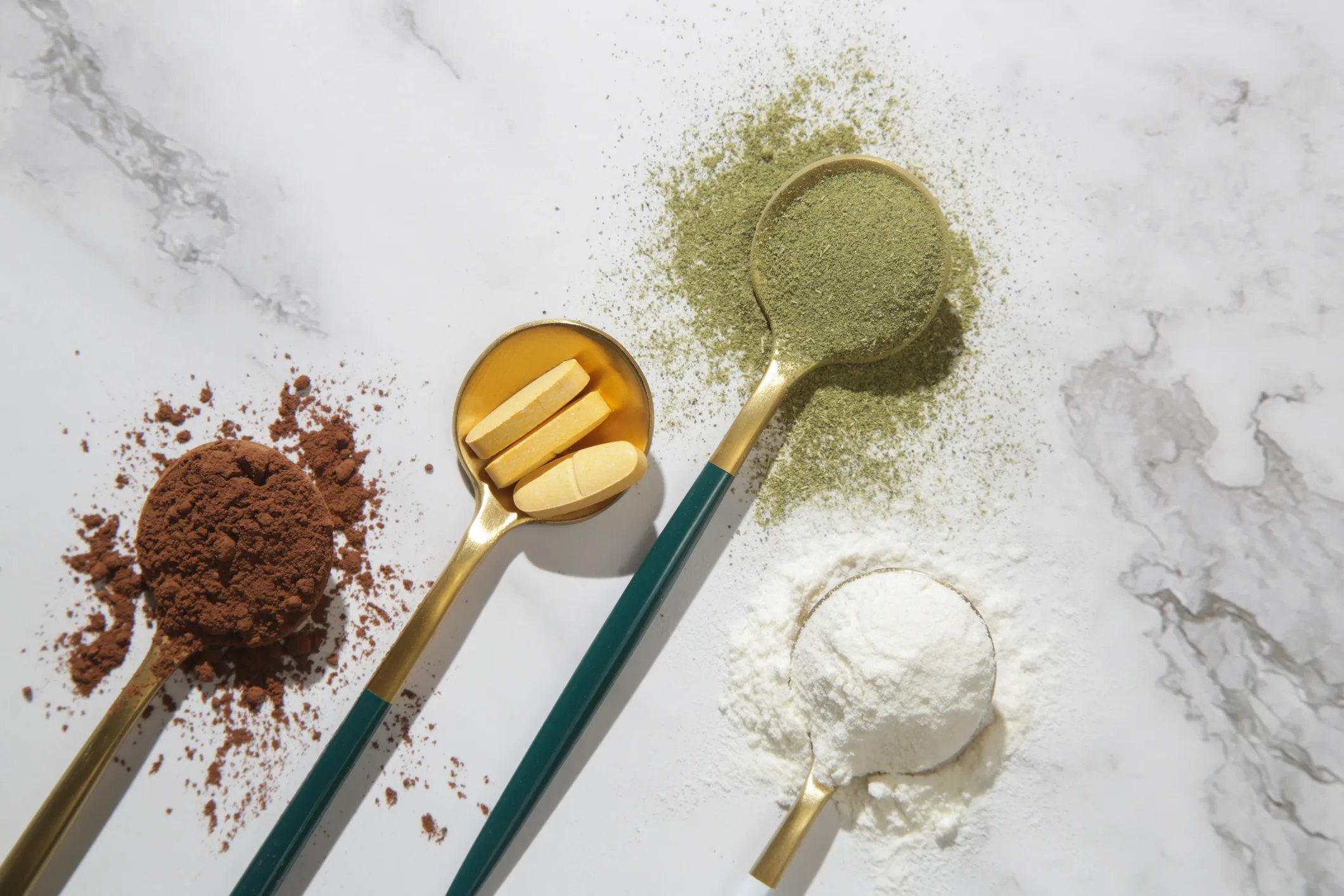
Once you’ve addressed your diet, you can then turn to supplements that may aid in boosting histamine intolerance:
(our independent research suggests Quercetin and Bromelain, which are usually found in combination, are the most effective from the list)
- Diamine Oxidase (DAO) Enzyme Supplements: These directly supplement the enzyme responsible for breaking down histamine in the gut.
- Probiotics: Choose a low-histamine probiotic to help balance gut bacteria without aggravating symptoms.
- Vitamin C: This antioxidant aids in breaking down excess histamine and managing inflammation.
- Quercetin: A plant pigment that can block histamine release from mast cells.
- Bromelain: Often combined with quercetin, this enzyme from pineapples has anti-inflammatory properties.
- Vitamin D3: Helps control mast cell activity, which is crucial in histamine release.
- Zinc: Supports enzymatic processes involved in histamine metabolism.
- N-Acetyl Cysteine (NAC): A potent antioxidant that supports detoxification and may help with histamine intolerance.
Additional Tips
- Cook fresh foods whenever possible to avoid histamine accumulation
- Rotate foods to prevent developing new sensitivities
- Consider genetic testing to identify potential DAO enzyme deficiencies
Takeaway
Remember, while these dietary changes and supplements can be helpful, it’s crucial to work with a healthcare professional when managing histamine intolerance. They can provide personalized advice and monitor your progress to ensure the best possible outcomes. But for those looking for a more holistic and natural way of combating histamine intolerance, diet & supplements may prove beneficial.
Source:
A overview of histamine intolerance and emerging innovation opportunities