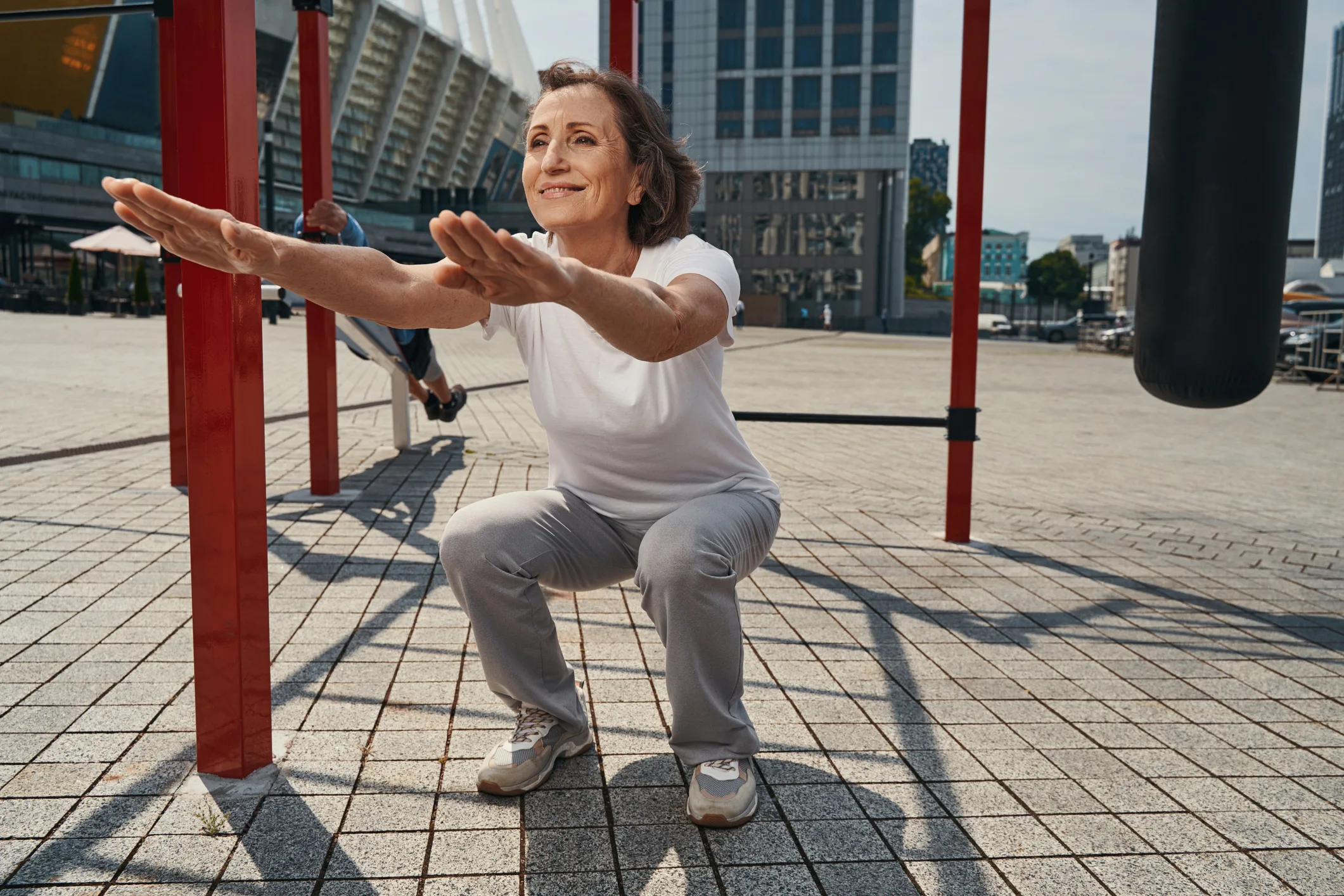
If you have ever missed a week or two of workouts because of a sudden vacation, a stubborn winter cold, or simply because your lawn demanded immediate, aggressive intervention, you likely know the feeling of impending doom. You step back into your sneakers, look at the weights or the garden beds, and wonder: Has all my hard-earned muscle vanished into thin air?
The short answer is no. While it might feel like your biceps have packed up and moved to Florida overnight, physical strength is far stickier than most people give it credit for. You are not starting back at square one, nor are you doomed to lose everything you have built simply because life interrupted your routine.
The Physiology of Detraining: What Science Actually Says
When you pause physical activity, your body enters a state known in exercise science as detraining. However, muscle loss does not happen all at once, nor does every physical quality decline at the same speed.
Medical research, including studies published by the Journal of Aging and Physical Activity and the European Journal of Applied Physiology, reveals a very specific timeline for how strength and endurance decay when training stops:
- Muscular Endurance (1.5 to 2 Weeks): The ability of your muscles to perform repeated contractions without tiring is the first quality to dip. You might notice that climbing a second flight of stairs feels slightly more taxing than it did a fortnight ago.
- Aerobic Capacity / Max (2 to 3 Weeks): Cardiovascular efficiency begins to decline as stroke volume—the amount of blood the heart pumps per beat—decreases.
- Muscle Cross-Sectional Area (2 to 3 Weeks): Muscle tissue begins to lose volume. However, initial “shrinkage” is often due to reduced muscle glycogen and water storage within the cell, rather than a permanent loss of structural muscle fiber.
- Maximal Strength (3 to 4 Weeks): High-end force production is the most resilient quality you possess. Pure mechanical strength holds steady for nearly a month before true neuromuscular degradation begins.
“Preserving muscle mass and strength in older adults is not merely about athletic capacity; it is the primary physiological buffer against functional dependence, mobility limitations, and metabolic decline.”
— Dr. William Evans, Expert in Human Nutrition and Geriatric Physiology
While adults over 60 do experience detraining at a slightly faster rate than 20-year-olds due to natural age-related muscle decline (sarcopenia), the fundamental timeline remains far more forgiving than most realize.
The Magic of Neuromuscular “Muscle Memory”
If medical circumstances or extended travel force you away from physical training for more than a month, returning to your former level of physical fitness does not take nearly as long as it took to build it originally. This rapid recovery relies on two distinct physiological mechanisms:
1. Neural Drive and Coordination
Strength is not purely a function of muscle size; it is equally a function of how effectively your central nervous system communicates with your motor units. Once your brain learns how to recruit muscle fibers efficiently to execute a movement—whether a squat, a deadlift, or lifting a heavy bag of soil—that neural pathway remains intact. Returning to movement reactivates these familiar neural highways almost instantly.
2. Myonuclear Retention
When you perform resistance training, your muscle fibers recruit new cell nuclei (known as myonuclei) to support tissue growth. Pioneering research from the University of Oslo demonstrated that even when muscle fibers shrink during prolonged periods of inactivity, these added myonuclei remain inside the tissue for extended periods, if not permanently. They act as an cellular foundation, allowing the muscle to synthesize protein and rebuild capacity at roughly twice the speed of initial development.
As a general rule of thumb, regaining lost strength typically takes about half the time you spent away, provided you return gradually and safely.
The Minimum Effective Dose: Maintenance Requires a Fraction of the Effort
One of the most encouraging principles in exercise science is the distinction between the energy required to build muscle versus the energy required to maintain it.
Clinical research published in Medicine & Science in Sports & Exercise demonstrated that older adults can maintain the vast majority of their muscle size and functional strength using as little as one-third to one-fourth of their regular training volume, provided the intensity (how hard the effort feels) remains consistent.
How to Apply the “Toe in the Water” Strategy:
- Prioritize Compound Movements: Stick to fundamental movement patterns that engage multiple joint complexes—such as sit-to-stands, wall or elevated push-ups, and suitcase carries.
- Maintain Intensity over Quantity: If your normal routine consists of three sets of eight repetitions, dropping to a single, focused set of eight repetitions per movement once or twice a week is sufficient to preserve strength during busy periods.
- Utilize the 50/50 Re-Entry Rule: When returning from an extended break, start your first week back at roughly 50% of the volume and weight you were handling prior to the break. This prevents excessive delayed-onset muscle soreness (DOMS) and protects connective tissue from sudden overload.
Takeaway
Every single repetition, walk, and resistance exercise you complete today acts as a deposit into an biological savings account. Life will inevitably cause minor disruptions to your routine, but your body holds onto its investment far better than you think. Keep moving, keep lifting, and rest easy knowing that a short break won’t bankrupt your progress.
Source:
How Fast Do You Actually Lose Strength? Slower Than You Think