How many of you are relatively fast eaters? Where you sit down, wolf through your meal, and half an hour after clearing your plate say “Uggh, I am stuffed!”. Many of us fall into this category.
Part of the problem is there’s a lag between taking your first bite and satisfying your hunger.
So what actually causes us to feel full?
There are two functions within the human body that control our desire and need to eat:
- The hormones controlling our feelings of hunger and fullness. This includes ghrelin, an appetite-stimulating hormone produced in the gut, leptin, an appetite-suppressing hormone released by the body’s white fat cells and GLP-1, a hormone that helps regulate blood sugar, appetite, and digestion.
- The nerves that sense when the stomach gets stretched, as well as signals from taste buds and smell receptors. “When these signals collectively indicate that you’ve eaten enough, the brain reduces your desire to eat further,” says Nina Nandy, a gastroenterologist based in Texas and a spokesperson for the American Gastroenterological Association.
The problem, however, is the hormones take more time than nerve impulses to relay information to the brain. The nerve impulses are almost instantaneous, whereas the hormones take considerably longer. This lag between these two functions is what causes us to overeat before our brain has a chance to respond.
How long is the lag between brain and stomach?
20 minutes, on average. It’s during this time, your stomach stretches and releases hormones that signal your brain to reduce appetite. The exact duration, depends on the type of food you are eating and your typical eating habits.
So what can we do to avoid this situation?
The most obvious answer is to eat slower. By eating slowly and mindfully, you can give your brain enough time to catch up with your stomach, helping you avoid overeating.
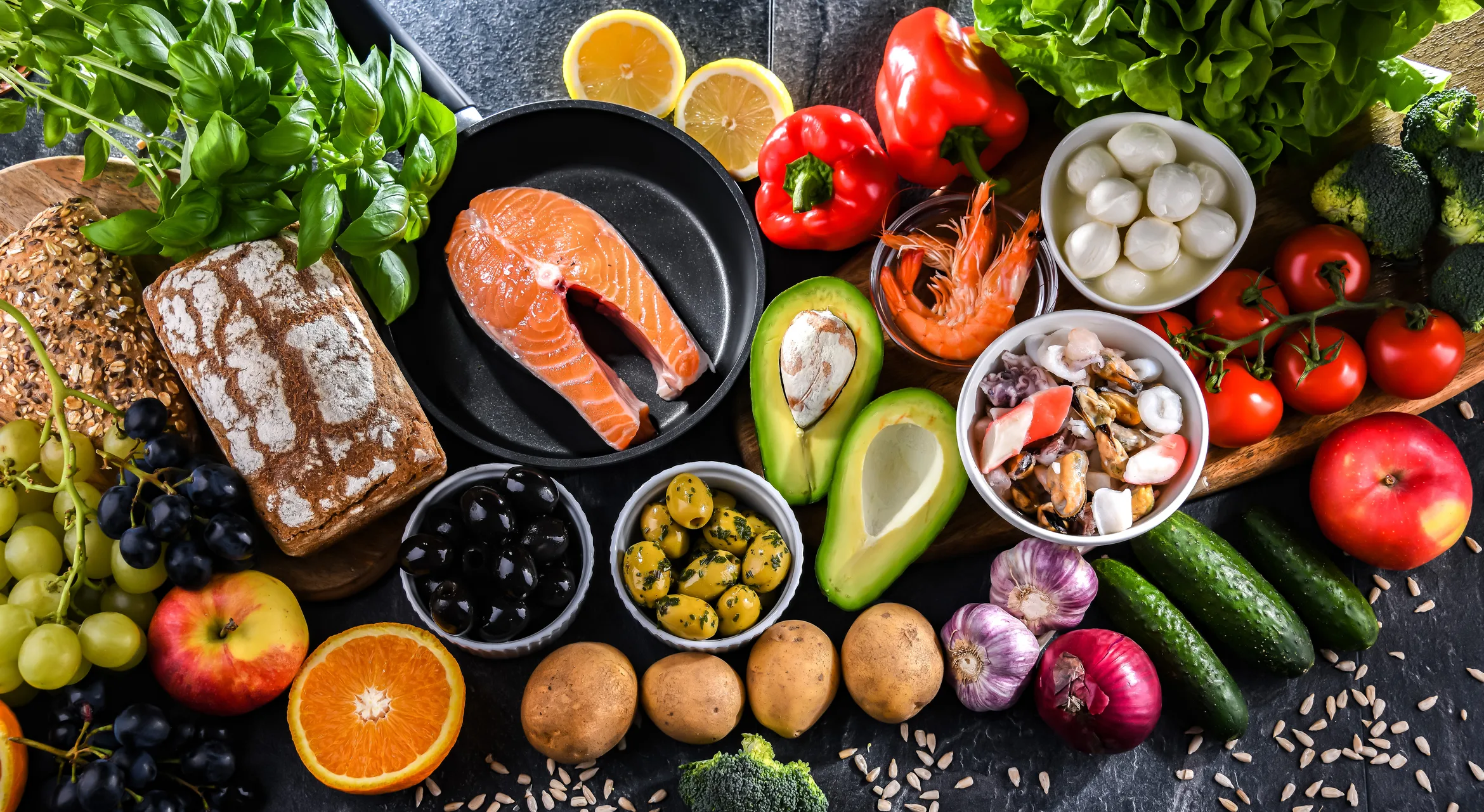
The other trick to eat foods high in fiber, such as fruits, vegetables and whole grains as those tend to promote satiety. This is because fiber helps switch off the production of ghrelin, which your stomach releases when it’s empty or mostly empty, whereas low fiber processed foods delay the feeling of fullness.