Let’s be honest: by the time we hit 50, we’ve all spent more time thinking about “good fats” and “bad fats” than we ever did about our high school algebra grades. We’ve been told to avoid the butter, embrace the avocado, and treat a deep-fryer like a radioactive hazard. But while we usually focus on how fats affect our waistlines or our cholesterol, it turns out they’ve been busy doing something much more important behind the scenes. According to a groundbreaking new study from the University of Queensland, the fats we eat are actually “training” our immune cells. It’s like sending your T cells to a high-end spa versus a fast-food joint—one leaves them ready to take on the world, while the other makes them want to take a permanent nap.
The Science of Resilient Immunity
Recent research published in the journal Nature has revealed a direct link between dietary lipid composition and the survival of T cells—the “special forces” of our immune system. Led by Professor Di Yu of UQ’s Frazer Institute, the international study found that the specific types of fats we consume change the internal fat composition of these cells. This internal shift determines whether a T cell is strong enough to fight off infections and cancer or whether it is prone to premature “cell death.”
The study specifically looked at the ratio between two types of fats:
- Polyunsaturated Fatty Acids (PUFAs): Commonly found in fatty fish, walnuts, and soybeans.
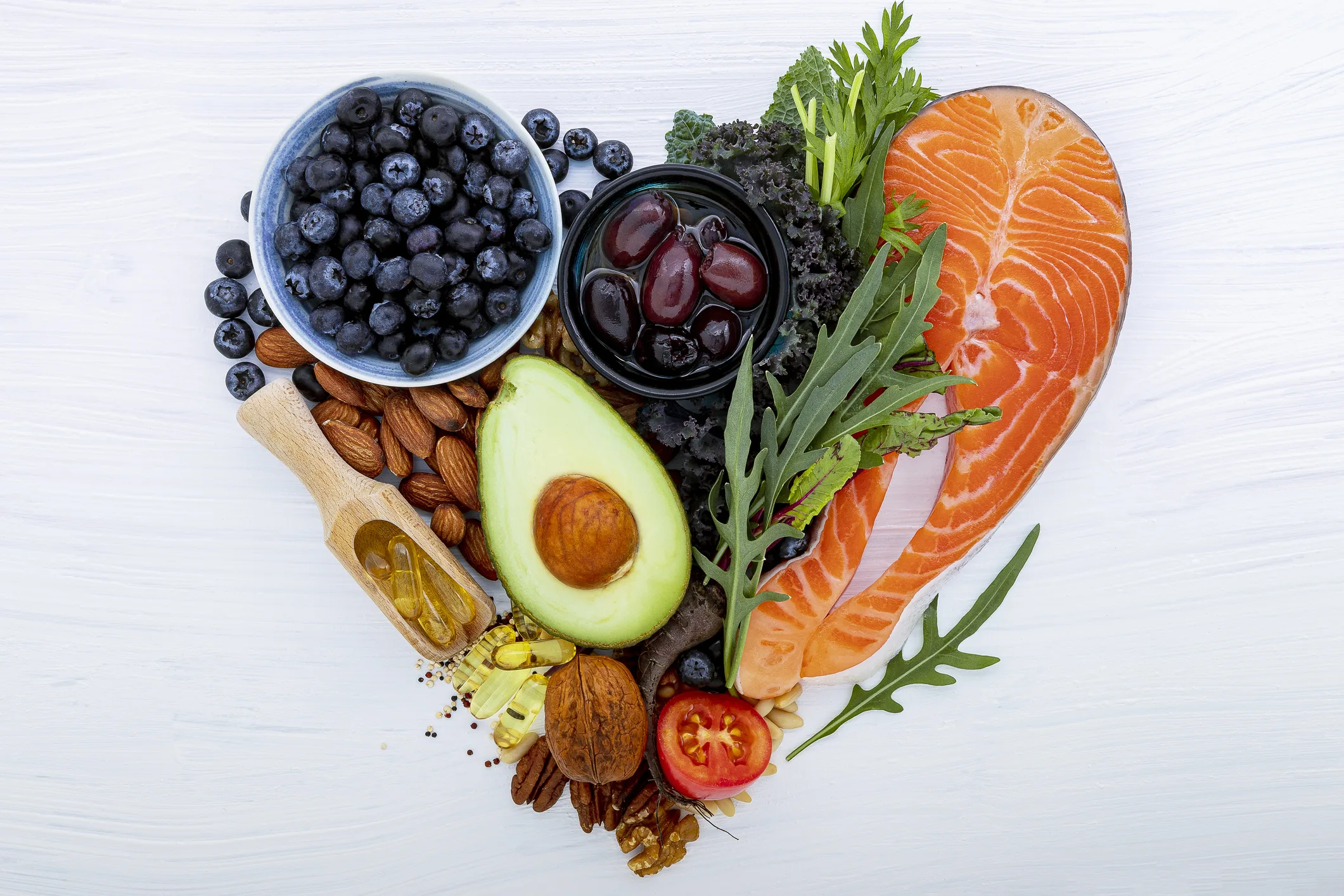
- Monounsaturated Fatty Acids (MUFAs): Found in abundance in olive oil, avocados, and certain nuts.
The researchers discovered that a diet with a lower ratio of PUFAs relative to MUFAs—essentially favoring monounsaturated fats—makes T cells significantly more resilient.
Protecting Your “Cellular Membrane”
The vulnerability of T cells lies in a process called ferroptosis, a specific type of cell death triggered when oxidized fats build up and destroy the cell’s outer membrane. When the diet is too high in certain polyunsaturated fats, these membranes become more susceptible to this “oxidation-induced” destruction.
By shifting the dietary balance toward monounsaturated fats, the body creates a lipid environment that protects the T cells. The study highlighted the following critical benefits of this dietary shift:
- Enhanced Antibody Production: Specific T cells, known as follicular helper T cells, become much more efficient at assisting the body in producing antibodies. This suggests that the right fat balance could significantly improve the effectiveness of vaccines.
- Tumor Suppression: Resilient T cells are better at multiplying and actively attacking tumors. Experimental models showed that modifying dietary fats could improve the success rate of cancer immunotherapies and prolong survival.
- Immune Longevity: Stronger T cells stay active in the system longer, providing a more robust defense against chronic infections that often become more dangerous as we age.
So What Should You Eat To Increase Your MUFA Ratio?
1. The Best Oils for Cooking and Dressing
Not all oils are created equal. To boost your MUFA intake, prioritize these:
- Extra Virgin Olive Oil: The gold standard. It’s roughly 73% MUFA. Use it for dressings, or drizzle it over finished dishes to keep its nutrients intact.
- Avocado Oil: A great high-heat alternative for sautéing or roasting, containing about 70% MUFA.
- High-Oleic Sunflower or Safflower Oil: Look specifically for the “high-oleic” versions on the label. These have been bred to be much higher in MUFAs (up to 80%) and lower in PUFAs than standard vegetable oils.
2. The “Powerhouse” Nuts and Seeds
Nuts are nature’s perfect snack, but some are much higher in MUFAs than others.
- Macadamia Nuts: These are the kings of the MUFA world—about 80% of their fat content is monounsaturated.
- Hazelnuts and Pecans: Excellent choices for a mid-afternoon boost.
- Almonds and Cashews: Both are solid sources, though almonds also contain a fair amount of PUFAs, so balance is key.
- Pumpkin and Sesame Seeds: These are great for topping salads or yogurt and provide a healthy MUFA crunch.
3. Whole Food Sources
If you prefer your fats in their original packaging, try these:
- Olives: Whether green or black, olives are essentially “MUFA pills.” Adding a handful to a Mediterranean-style salad is a science-backed win.
- Avocados: As mentioned in the article, they are one of the few fruits loaded with MUFAs.
- Peanut Butter: As long as it’s the “natural” kind (just peanuts and salt), it’s a great source.
- Eggs: While often thought of for protein, the yolk contains a surprising amount of monounsaturated fat.
4. Strategic Swaps
To follow the study’s advice on “being mindful” of PUFA volume, try these simple 1:1 trades:
- The Salad Swap: Use an olive oil-based dressing instead of one made with soybean or corn oil.
- The Snack Swap: Reach for macadamias or almonds instead of walnuts (walnuts are great for brain health, but are very high in PUFAs).
- The Spread Swap: Use smashed avocado or a nut butter on your morning toast instead of margarine or butter.
Dietary Implications for Future Health
While the “perfect” ratio of PUFA to MUFA is still being determined through ongoing clinical research, the core takeaway is clear: lipid metabolism is a critical pillar of immune health. In the future, optimizing a patient’s diet could become a standard, accessible way to enhance the body’s natural defenses alongside medical treatments.
Wrapping It Up
So, the next time you’re debating whether to drizzle a little extra olive oil on your salad, remember: you’re not just making it taste better; you’re essentially armor-plating your immune cells. We’ve spent decades worrying about how our jeans fit, but it turns out the real fashion statement is happening at the microscopic level. Think of it as an “oil change” for your internal engine. You wouldn’t put cheap, low-grade oil in a classic 1970s Mustang, so why do it to yourself? Eat the avocado, toast to your T cells, and let’s show the younger generation that being over 50 doesn’t mean we’re slowing down—it just means we’re better lubricated.