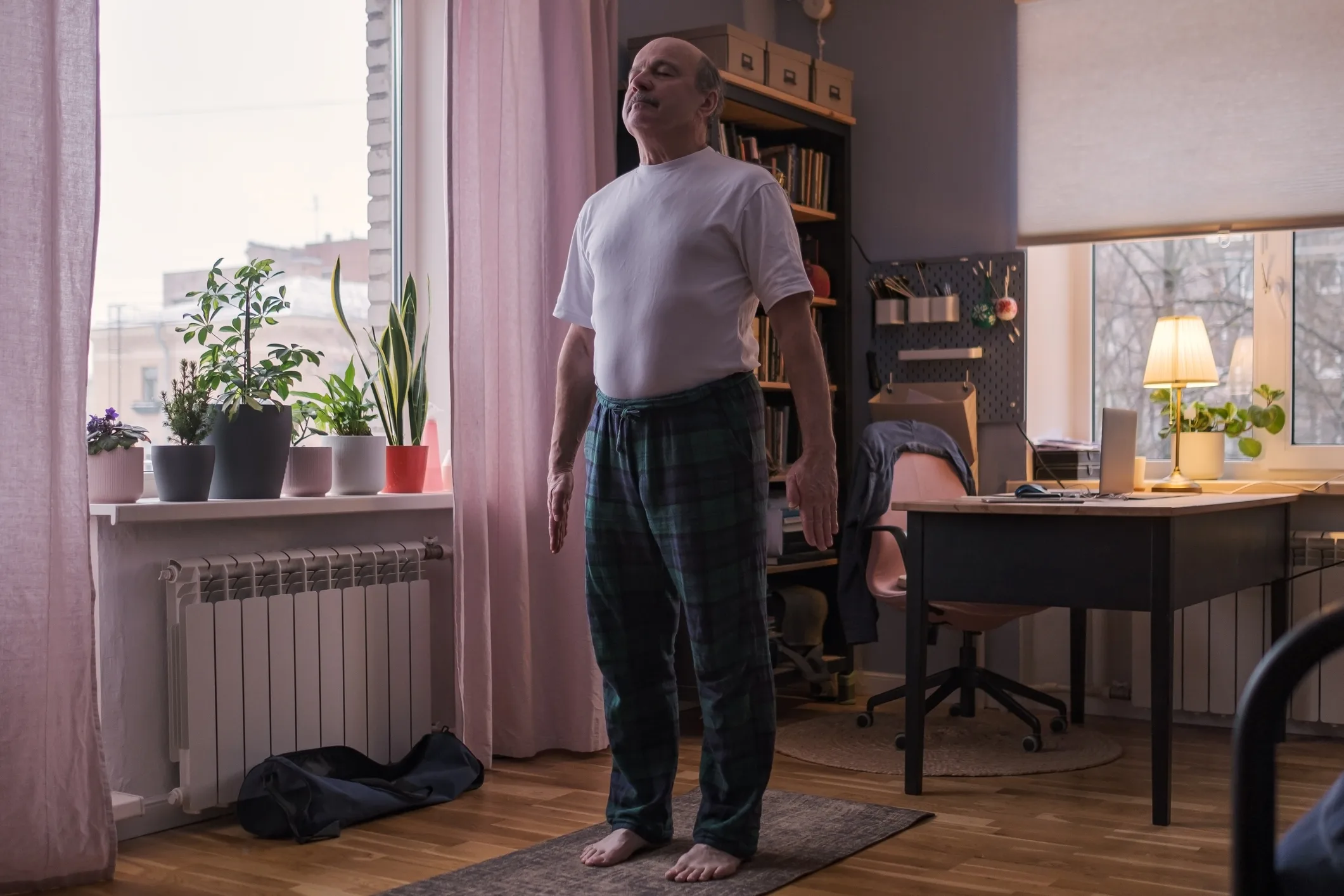
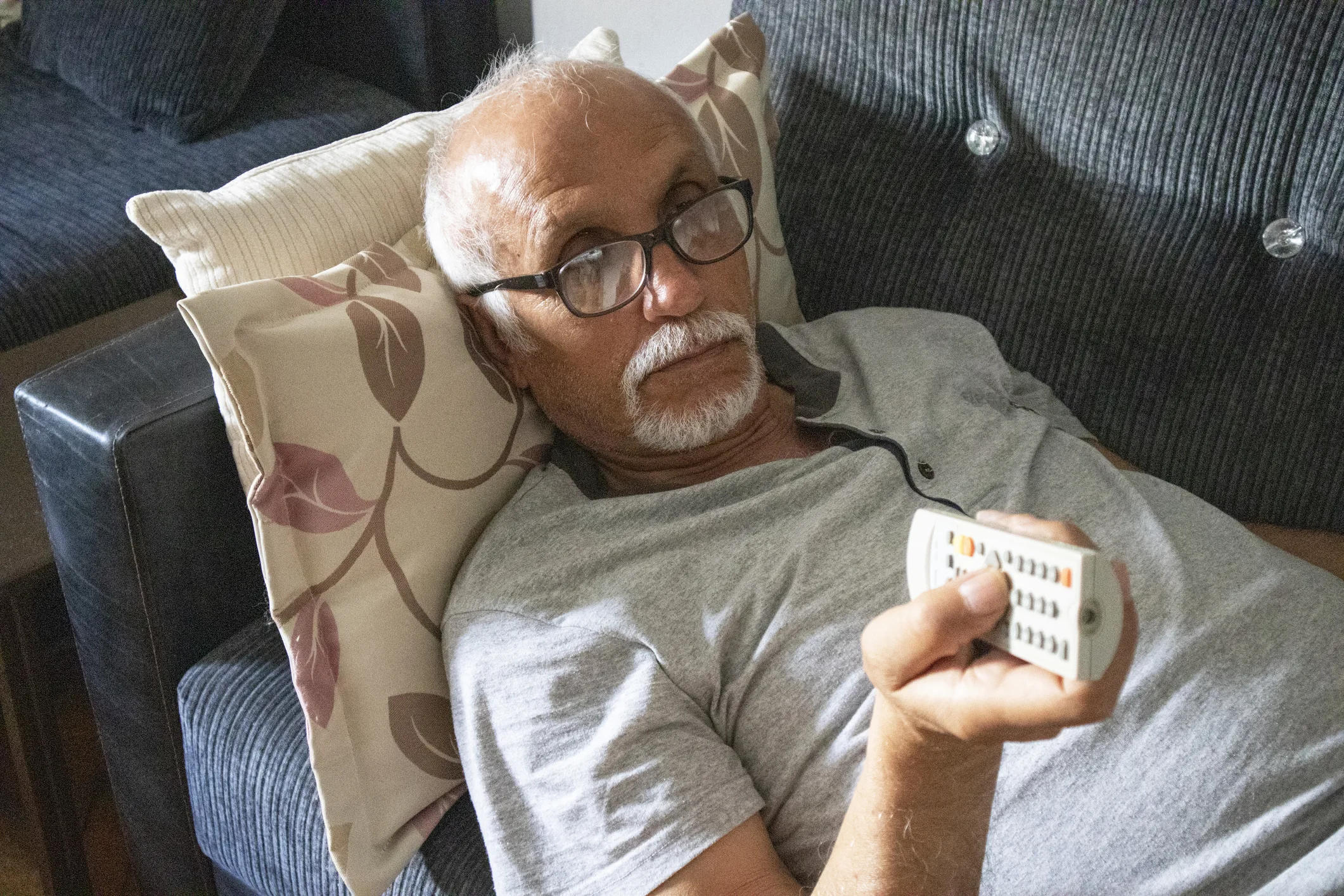
We’ve all been there: you’ve spent the morning gardening or walking the dog, and by 2:00 PM, the couch is calling your name with the siren song of a long nap. It feels logical to assume that if we “spend” our energy on exercise, we’ll have less left in the bank for the rest of the day.
However, a fascinating study published in Nature Communications has flipped that logic on its head. It turns out our bodies aren’t like simple smartphone batteries that just drain until they hit zero. Instead, physical activity actually expands your daily energy budget.
The “Use It or Lose It” Economy
Researchers looked at the relationship between physical activity and total energy expenditure (the total calories we burn in 24 hours). Conventional wisdom suggested that if you burn 300 calories on a brisk walk, your body might try to “save” energy elsewhere by making you sluggish later.
The study found the opposite:
-
Expansion, not Compensation: For most adults, increasing activity doesn’t just shuffle energy around; it actually increases the total amount of energy your body processes in a day.
-
The Metabolic Spark: Regular movement signals your system to keep the “furnace” running hot, rather than entering a power-saving mode.
Why This Matters After 50
As we cross the half-century mark, we often hear that our metabolism “slows down.” While there is some truth to hormonal shifts, much of that “slump” is actually just us moving less.
Think of your metabolism like a vintage car. If it sits in the garage, the battery dies and the oil gets gunked up. If you take it out for a spin every day, it stays primed to run. By staying active, you aren’t just burning calories in the moment; you are teaching your body to maintain a higher baseline of vitality.
High-Yield Activities for the 50+ Crowd
You don’t need to train for a triathlon to see these “budget increases.” The goal is consistent, manageable movement that keeps the engine humming:
-
Resistance Training: Muscle is metabolically “expensive” tissue—it burns more energy even while you’re watching the evening news.
-
Weight-Bearing Aerobics: Brisk walking or dancing doesn’t just help your heart; it keeps your bones sturdy enough to carry all that extra energy.
-
“Exercise Snacks“: Short bursts of movement (taking the stairs or a 10-minute stretch) prevent the body from clicking into “hibernation mode” during long periods of sitting.
The Bottom Line
If you’re feeling perpetually drained, the solution might feel counterintuitive: You have to spend energy to make energy. Instead of viewing a morning swim or a walk through the park as an “exhausting” chore, think of it as a deposit into your daily fuel tank. You aren’t wearing yourself out; you’re upgrading your capacity to enjoy the rest of your day without needing that 3:00 PM espresso.
Source: