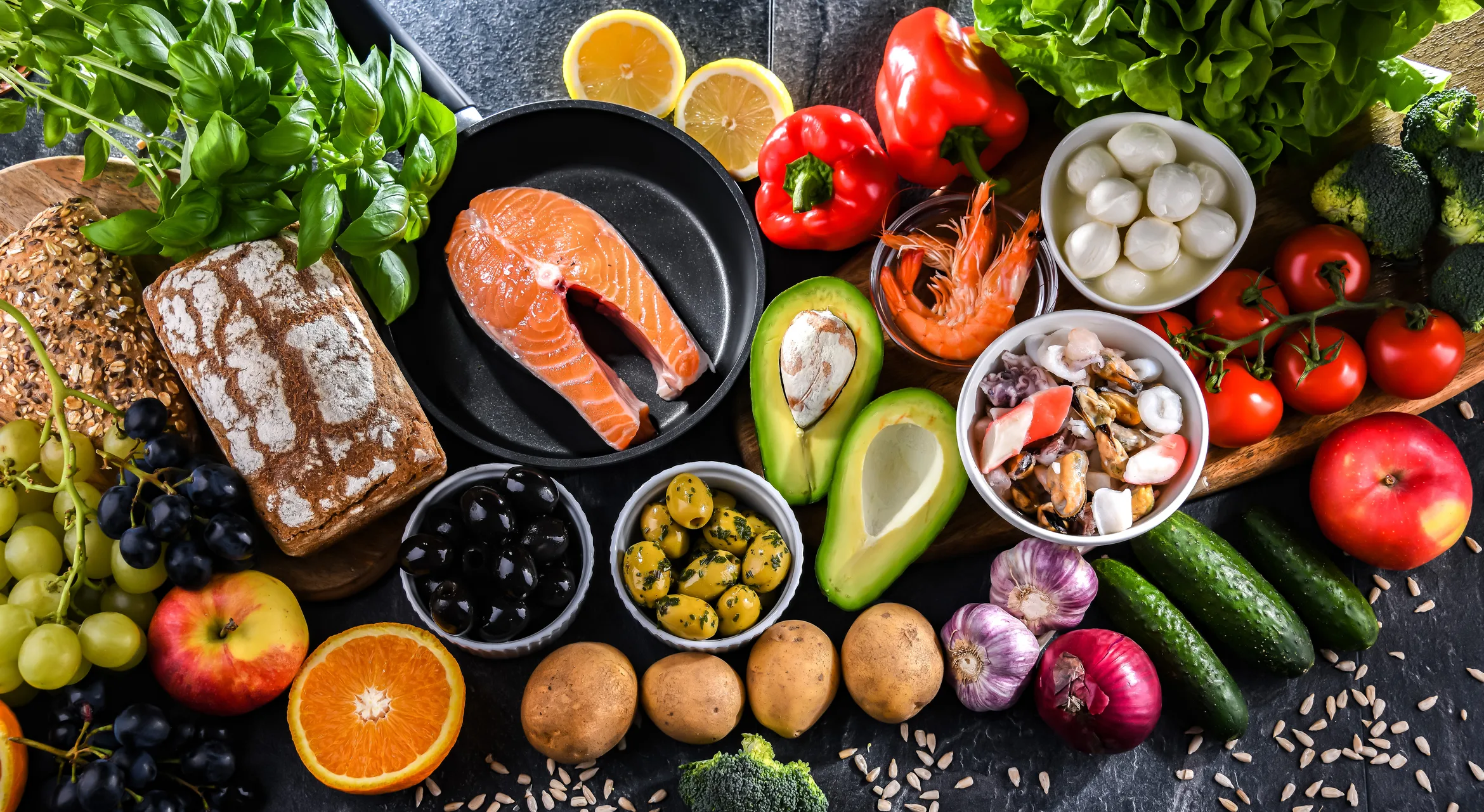
50 years ago, it was easier to maintain a healthy weight in the United States. There were no computers, TV shows turned off at 11 pm, and people stopped eating because they went to bed. Portions were much smaller. More people worked and played outside and, in general, got more exercise.
With the introduction of the internet, 24/7 TV, social media and the like, we find ourselves sitting and snacking all day and long into the night.
This has resulted in more obesity, type 2 diabetes, heart disease, you name it.
This is where Intermittent Fasting may help.
What is Intermittent Fasting?
Intermittent fasting (IF) is an eating pattern that cycles between periods of fasting and eating.
It doesn’t specify what you eat, but rather when you eat. By prolonging the period when your body has burned through the calories consumed during your last meal your body naturally burns fat.
Potential Benefits of IF
Research has shown that seniors over the age of 70 have improved brain and heart health when following an IF routine.
Studies have shown disturbances of our Circadian rhythms — the body’s internal clock — is common in people with Alzheimer’s and contributes to cognitive decline, confusion in the evening, and trouble falling and staying asleep. However, introducing IF has been shown to reset our Circadian rhythms thereby potentially slowing the behavioral, cognitive, and molecular disruptions associated with Alzheimer’s.
IF has also been shown to encourage our body to use ketones as fuel by creating a metabolic state called ketosis. IF reduces your bodies supply of glucose, thereby causing your body to break down stored fat instead. The liver breaks down the fatty acids from these fat stores into Ketones which provide several anti-inflammatory qualities including shielding the heart from swelling and tissue damage.
Different ways to perform Intermittent Fasting
12/12 Method
This is the most beginner-friendly fasting approach. You fast for 12 hours and eat normally for 12 hours. For most people, this is as easy as setting a reasonable nighttime eating cutoff, such as after 7 pm.
16/8 Method
You fast for 16 hours and eat during an 8-hour window. This method is flexible enough to fit into most daily routines—many people simply skip breakfast and eat lunch and dinner within the 8-hour window. This method works for many people because it gives your body time to burn fat in a fasted state while still allowing you to enjoy meals during a reasonable timeframe.
5:2 Diet
The 5:2 diet is another popular option where you eat normally for five days of the week, then restrict your calorie intake to around 500-600 calories on two non-consecutive days each week. This method allows for flexibility since you’re only calorie-restricting twice a week, but it’s important to stay mindful of your nutrition choices on fasting days to avoid feeling overly hungry or fatigued.
Eat-Stop-Eat
With Eat-Stop-Eat, you fast for 24 hours once or twice a week. It’s a more extreme method that can be effective for fat loss, but it’s also challenging since going an entire day without food can lead to intense hunger and low energy.
Alternate-Day Fasting
Alternate-day fasting involves fasting every other day, with around 500-600 calories consumed on fasting days. This method can lead to significant calorie reduction over time, but it’s one of the more challenging approaches to maintain due to frequent fasting.
OMAD (One Meal a Day)
OMAD, or One Meal a Day, is another extreme fasting method where you fast for 23 hours and eat all your daily calories in a single meal during a 1-hour window. While some people find it simplifies meal planning, it can be difficult to meet all your nutritional needs in just one sitting. This method can lead to overeating or digestive discomfort, and its restrictive nature may also cause unpleasant side effects like binge eating, fatigue, or nutrient imbalances.
Does Intermittent Fasting Work for Weight Loss?
Intermittent fasting does work as a short-term weight loss solution for many people. Studies have shown people typically lost 7-11 pounds over a period of 10 weeks. The problem is, not many people can follow such a diet for 10 weeks.
Our Thoughts
Not everyone is a candidate for Intermittent Fasting. Especially those with known heart conditions, or eating disorders. For those who are candidates, the 16/8 Method sounds the most sustainable. It requires skipping just one meal a day and not snacking during that time. That’s an easy routine to get used to and adhere to over the long term. Especially if you combine it within your workout schedule accordingly.
Source:
Intermittent fasting may protect the heart by controlling inflammation