By the time we hit 50, our relationship with the gym changes. We’ve traded neon spandex and “no pain, no gain” mantras for sensible arch support and a healthy suspicion of burpees. For many of us, the ideal workout doesn’t involve a CrossFit coach screaming in our faces; it involves a pair of sneakers, a podcast, and a brisk walk. It’s the perfect exercise—no subscription required, and the only “equipment failure” usually involves a stubborn shoelace or a neighbor who wants to discuss their lawn for forty-five minutes.
But as we settle into our “platinum years,” a nagging question often hitches a ride on our morning stroll: Is walking actually enough? Can we really maintain our health and ensure we can still get off the floor without sounding like a rusty hinge just by putting one foot in front of the other? According to the latest insights from The New York Times, the answer is a resounding “yes”—provided you follow a few professional ground rules.
What Walking Does Well
Walking is the “Swiss Army Knife” of low-impact movement. It is remarkably effective at:
- Lowering Biological Age: Consistent brisk walkers often have a biological age years younger than their chronological one.
- Metabolic Maintenance: It helps regulate blood sugar and lowers LDL (the “bad”) cholesterol.
- Mental Clarity: It’s a proven stress-buster that clears cortisol out of your system.
The Science of Walking as a Primary Workout
Walking is the most studied form of physical activity, and for adults over 50, it serves as a foundational pillar of cardiovascular health. Research consistently shows that brisk walking can lower the risk of heart disease, type 2 diabetes, and several cancers. However, to transition walking from a “leisurely activity” to a “complete workout,” the intensity must meet specific physiological thresholds.
The “Moderate Intensity” Rule
For walking to count as a true cardiovascular workout and maximize longevity, it can’t be a window-shopping mosey. Science suggests you need to hit a moderate intensity.
- The Talk Test: You should be breathless enough that you can carry on a conversation, but you definitely couldn’t belt out your favorite Sinatra tune.
- Intensity Over Volume: While “10,000 steps” is a popular benchmark, the speed of those steps is often more important. Aim for at least 30 minutes performed at a brisk, purposeful pace, say about 100 steps per minute. At this pace, you’re actually challenging your heart and lungs to adapt and grow stronger.
- The Incline Factor: Walking on flat pavement primarily engages the calves. Introducing hills or treadmill inclines activates the glutes and core, increasing caloric burn and cardiovascular demand without the joint impact of running.
- Interval Training: Incorporating “power bursts”—intervals of one to three minutes at a very fast pace—improves aerobic capacity (VO2 max), a primary predictor of long-term health in older populations.
Addressing the “Strength Gap”
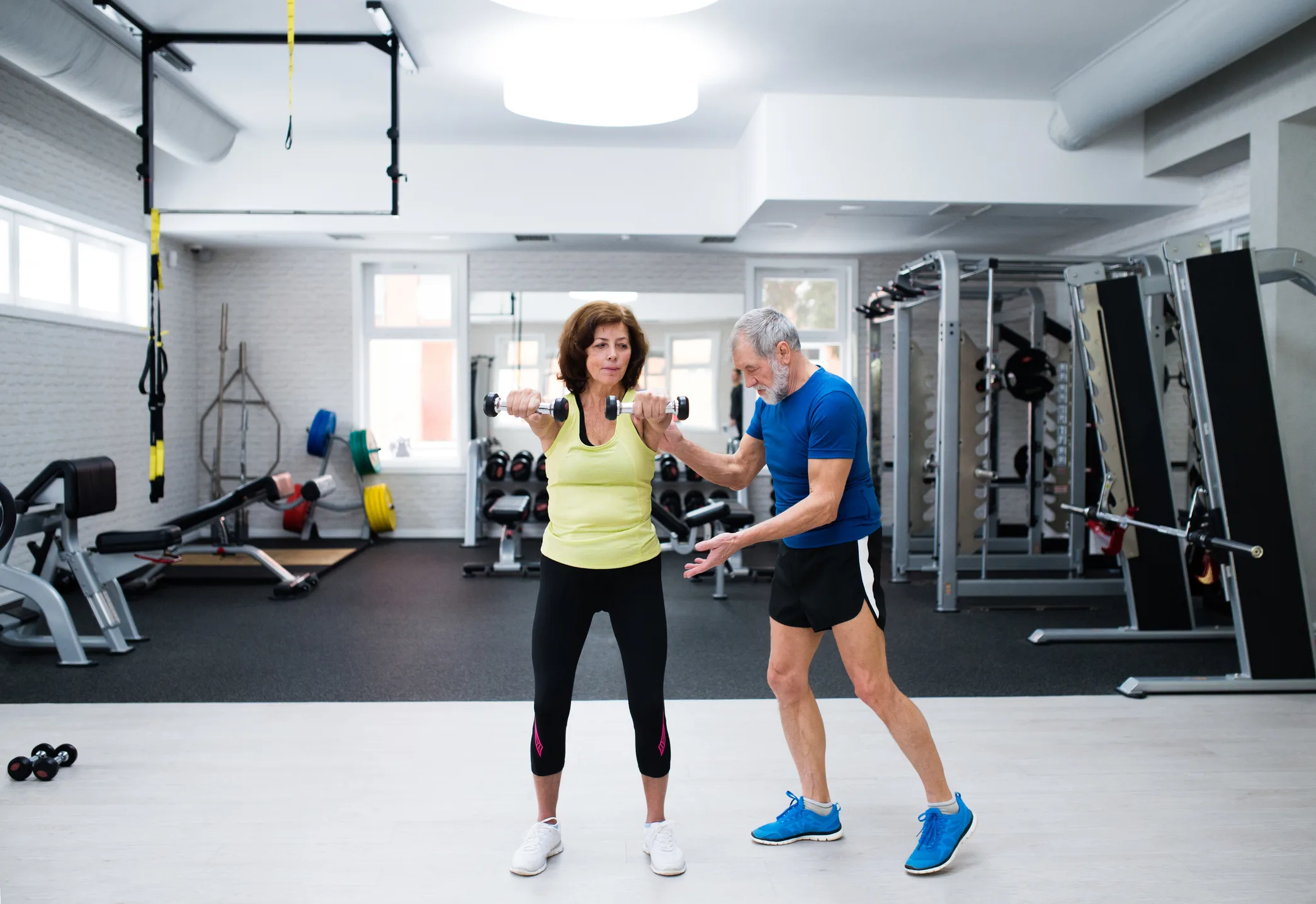
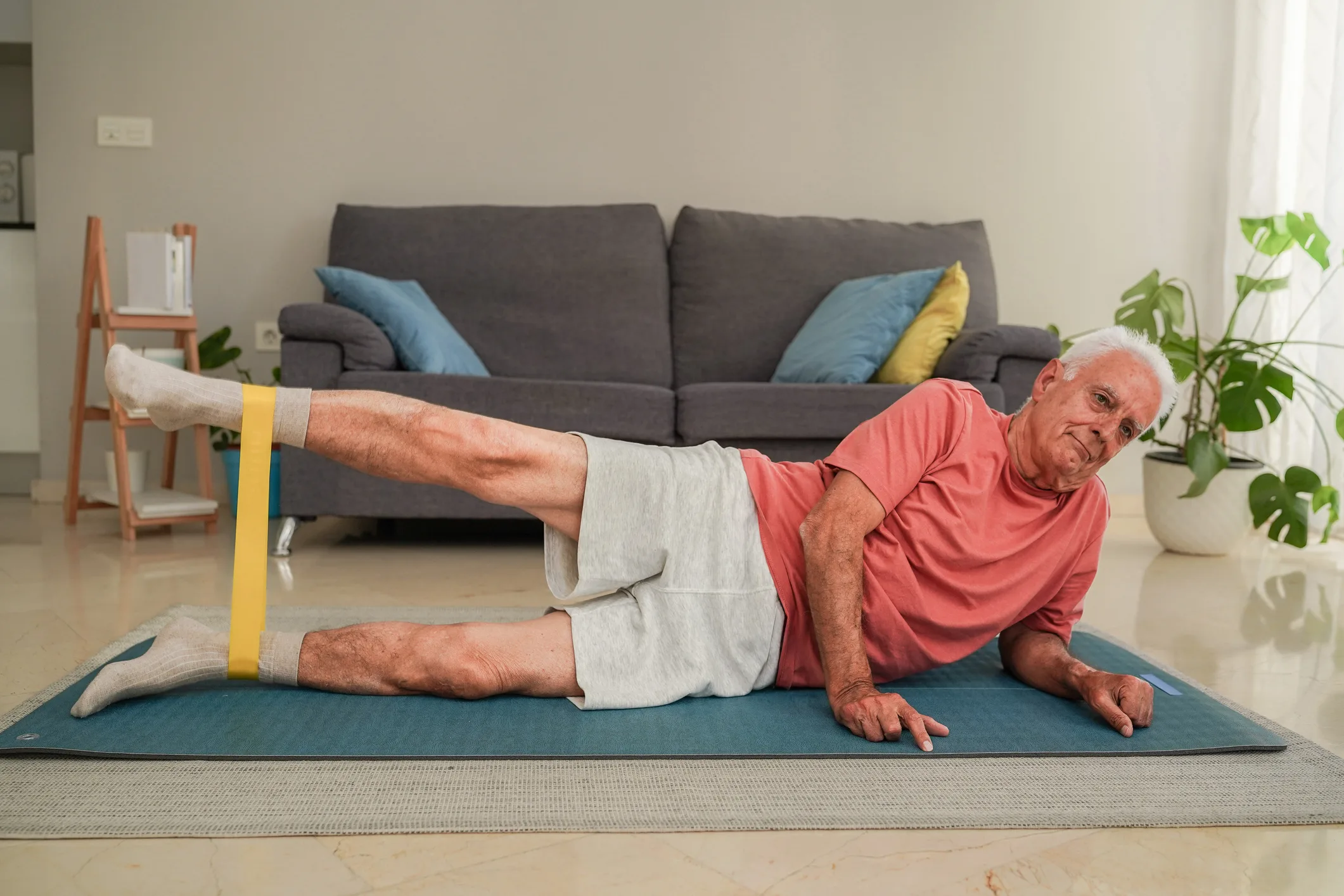
While walking is a cardiovascular powerhouse, it has a significant limitation: it does not adequately address the age-related loss of muscle mass, known as sarcopenia. Starting at age 50, muscle mass can decline by about 1% per year. To make walking a comprehensive workout, experts recommend supplementing it with resistance:
- Bodyweight Resistance: Incorporate squats, lunges, or wall push-ups after your walk to maintain bone density.
- Load Bearing: Carrying a weighted vest or “rucking” turns a standard walk into a strength-building session, improving posture and spinal health.
- Balance Work: Walking on uneven terrain, such as trail paths, forces stabilizer muscles in the ankles and hips to work harder, reducing the risk of falls.
Frequency and Consistency Guidelines
For walking to suffice as a total fitness solution, the standard recommendation is 150 to 300 minutes of moderate-intensity activity per week. For the 50+ demographic, distributing this time across five or six days allows for adequate joint recovery while keeping the metabolic rate elevated.
The Verdict
Walking is a perfect foundation, but for a complete “50+ Fitness Portfolio,” it shouldn’t be your only investment. Think of walking as your “diversified bonds”—safe, reliable, and essential—while strength training is your “high-growth stock” that ensures you stay powerful and mobile for the long haul.
You just need to make sure your walk has a little “attitude” and that you occasionally pick up a dumbbell. So lace up those sneakers and get moving—your heart, your lungs, and your sense of adventure will thank you, even if your knees still have a few choice words about the matter.
Source: