Are you tired of the same old walking routine? Does the idea of logging endless miles at a steady pace sound, well, boring? You’re not alone. The great news is there’s a simple, non-technical approach to walking that’s shaking up fitness routines and delivering big results. It’s called Japanese walking—and while the name comes from research conducted in Japan, the concept is a global phenomenon that’s now blowing up on TikTok.
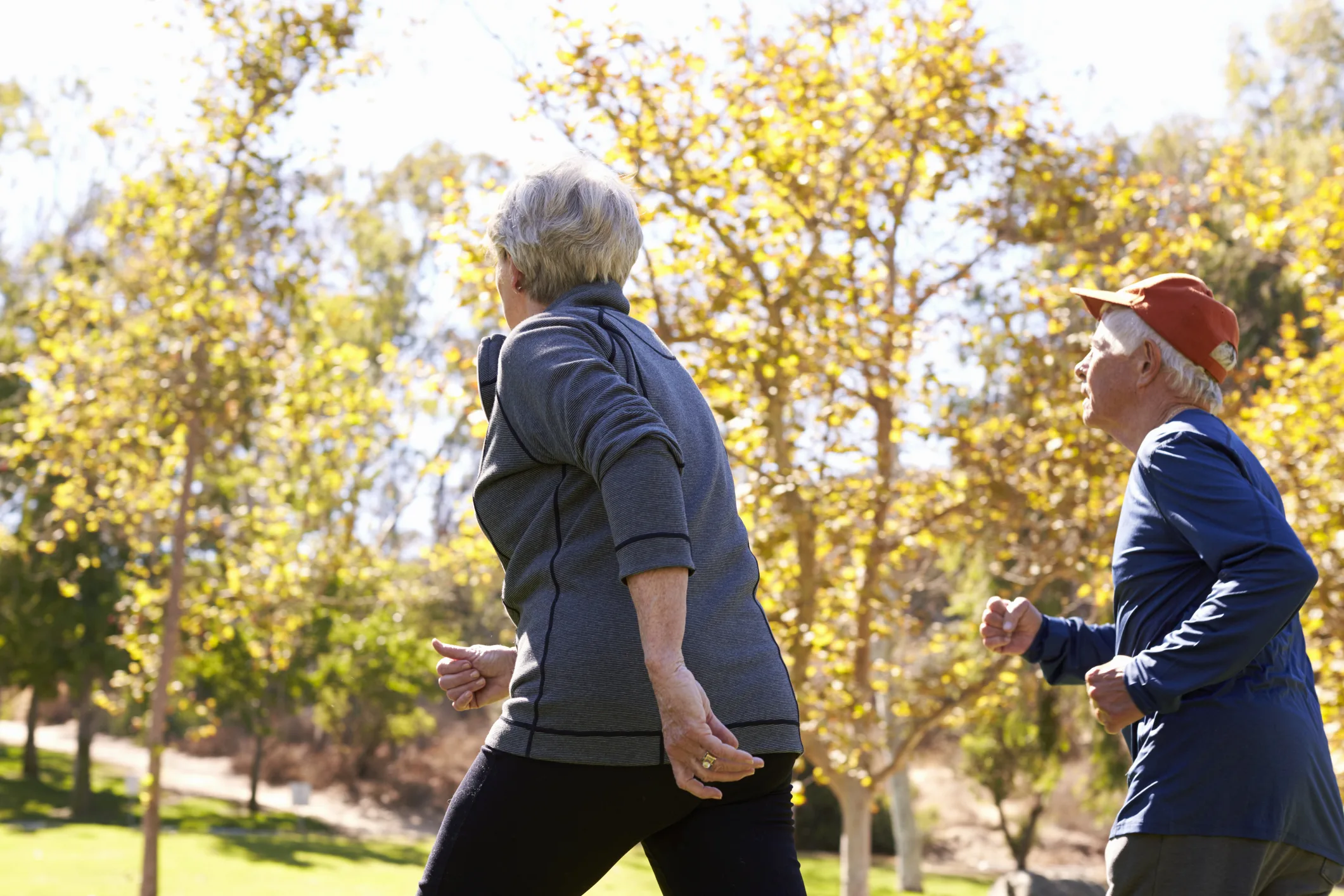
So, what is it? It’s all about switching things up. Instead of a uniform pace, you alternate between high-intensity bursts and lower-intensity recovery periods. This type of workout, known as interval walking, involves walking fast for three minutes, then slowing down for three minutes, and repeating that cycle for at least 30 minutes. Do this four or more times a week, and you’ll see the benefits.
The Science of Walking with a Purpose
The core principle behind this method is interval training—a tried-and-true approach that’s been around for over a century. The idea is to push your body to work harder for short periods, then allow it to recover. Think of it like a conversation for your heart: you get your heart rate up and then bring it back down. This is where the magic happens. When you hit that high-intensity phase, your heart pumps faster, increasing blood flow to your muscles. Over time, this makes your heart and lungs stronger, allowing your body to use oxygen more efficiently.
What’s even better is that this method gives you more bang for your buck. As a physical activity guideline, you’re often told to get about 30 minutes of moderate activity most days of the week. But with high-intensity intervals, you can get even greater benefits in less time. That’s because you’re challenging your body more, and it responds by getting stronger, faster. This isn’t just about physical gains, either. The interval structure can be a mental game changer. It breaks up the monotony and gives you tangible goals to work toward, keeping you motivated and engaged.
More Than Just a Walk in the Park
The evidence for this style of walking is impressive. One of the leading studies on the topic found that people who did interval walking for five months saw significant improvements in leg and thigh strength, overall fitness, and even a reduction in blood pressure. Another large-scale study with over 700 participants found that interval walking can improve symptoms of age-related and lifestyle diseases, boosting cognitive function, sleep quality, and even your mood. It’s also been shown to improve cholesterol levels and reduce belly fat.
The beauty of walking, in general, is that it’s low-impact and accessible to most people. There’s no learning curve, and you don’t need any special equipment to get started. Japanese walking simply takes this already-great form of exercise and supercharges it.
Takeaway
Japanese walking isn’t just a trend; it’s a smart, simple way to make your workouts more effective and enjoyable. By adding short, intense bursts to your strolls, you can transform your routine and unlock a wealth of physical and mental benefits.
Source: