In a previous article we discussed Blood Flow Resistance (BFR) Training and how it is used in surgical and post-training recovery. In this article, we look at the origin of BFR Training. Namely, the KAATSU technique. KAATSU is scientifically proven to increase muscle growth and strength gains while using lighter weights.
KAATSU is the Japanese word for “added pressure”. The KAATSU technique, also known as Blood Flow Restriction (BFR) training, was invented by Dr. Yoshiaki Sato in Japan in 1966. The inspiration came when Sato, then 18 years old, experienced numbness in his legs during a Buddhist ceremony while sitting in the traditional Japanese posture. As he massaged his calves, he realized that the blood circulation was blocked, creating a sensation similar to the “pump” experienced during weightlifting. He then researched on his own body for 7 years to determine the most efficient way to use KAATSU bands to improve muscle growth. He later discovered, after using the technique to rehabilitate torn ligaments in his knee and ankle suffered during a skiing accident, that the technique could be used to increasing vascular elasticity and recovery from injuries.
Here’s how it works:
- Restriction: Cuffs or wraps are placed on the upper arms or legs, partially restricting blood flow to the muscles.
- Exercise: Exercises are performed with lighter weights than typically used for strength training.
- Muscle Growth: The restricted blood flow creates a metabolic environment that promotes muscle growth and strength gains, even with lighter loads.
What are the benefits of KAATSU Training?
- Muscle strength and hypertrophy: KAATSU can produce similar improvements in muscle strength and size as traditional high-intensity resistance training, despite using much lower loads.
- Vascular elasticity: The technique improves blood circulation and increases vascular elasticity, potentially protecting against cardiovascular disease.
- Hormonal response: KAATSU training can upregulate healing growth hormones like BDNF and plasmalogens, which also have neuroprotective benefits
- Joint protection: By using lighter weights, KAATSU reduces stress on joints and tendons while still providing strength gains.
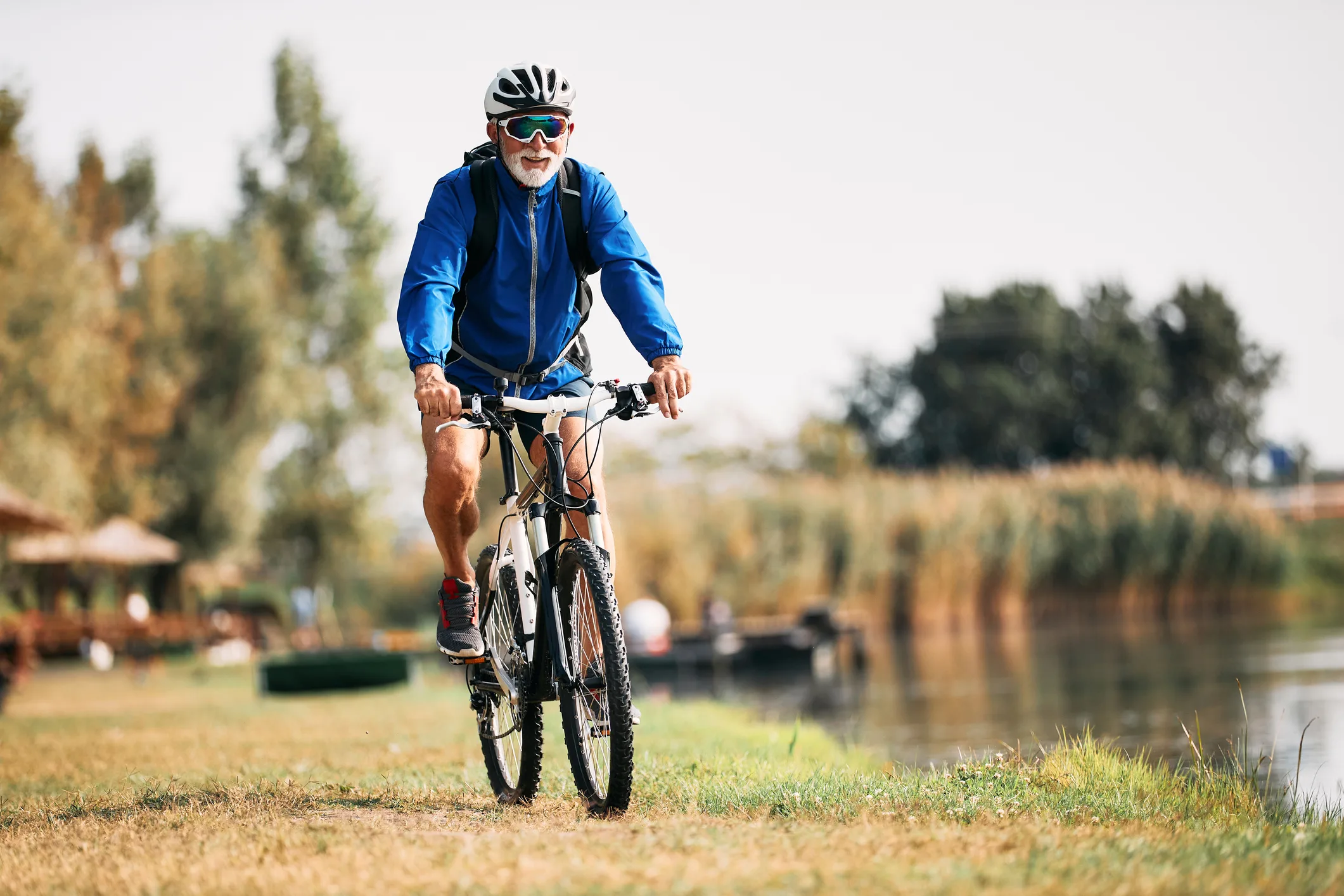
- Versatility: KAATSU can be applied to various exercises, including resistance training and aerobic activities like walking or cycling.
- Rehabilitation potential: There is emerging evidence suggesting KAATSU may help in rehabilitating conditions such as Alzheimer’s, Parkinson’s, multiple sclerosis, and stroke-induced paralysis.
- Anti-aging effects: KAATSU is used as a strategy to potentially reverse the effects of poor nutrition and sedentary lifestyle, promoting wellness and longevity.
Where Can you Purchase KAATSU Bands?
You can find several knockoff KAATSU bands on Amazon. But the originals can be found here.
Source: