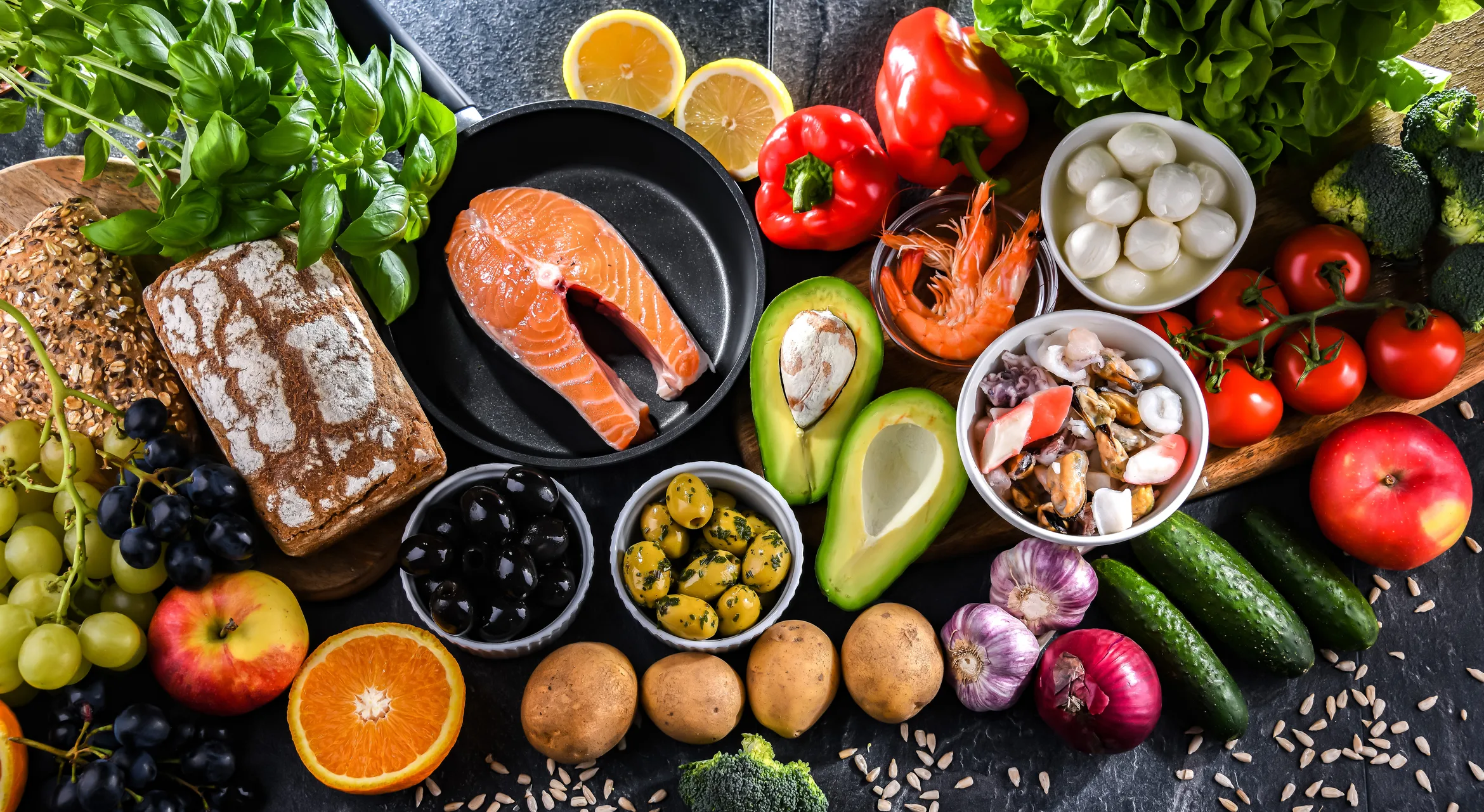
By the time we cross the threshold of 60, we have successfully survived disco, dial-up internet, and decades of shifting nutritional advice that told us eggs were bad, then good, then bad again. It is perfectly understandable if your current reaction to the latest “miracle diet” trend is a profound, deeply resonant sigh. Fortunately, the latest findings from leading longevity researchers require neither an expensive subscription to a meal-delivery service nor the sudden abandonment of all culinary joy.
Instead of chasing fleeting fad diets or agonizing over rigid calorie counting, recent research highlights that the true key to improving healthspan—the number of years we live free from chronic disease—comes down to a highly sustainable, plant-forward routine.
The Core Principles of the Longevity Diet
According to leading longevity researchers Valter Longo, PhD, and Sebastian Brandhorst, PhD, from the University of Southern California’s Leonard Davis School of Gerontology, nutrition is the single most powerful tool available for healthy aging. Writing in an essay on systemic healthcare solutions for The Wall Street Journal, the researchers argue that rather than focusing on rapid weight loss, individuals over 60 should prioritize an eating pattern that naturally optimizes metabolic health and cellular repair.
Their research continues to point toward a specific, foundational eating structure:
- Plant-Based Whole Foods: The diet is anchored by vegetables, whole grains, legumes, and nuts. These foods provide vital fiber, micronutrients, and antioxidants that combat systemic inflammation.
- Healthy Fats: Saturated fats should be replaced with unsaturated, plant-based fats, particularly extra virgin olive oil.
- Strategic Protein Intake: While protein is crucial to prevent sarcopenia (age-related muscle loss), the source matters. The researchers emphasize that adults over 60 benefit most when a significant portion of their protein comes from plant sources (like beans and nuts) rather than heavy red or processed meats.
- Moderate Seafood and Fruit: Fish and seafood provide essential omega-3 fatty acids, while fruits provide essential vitamins when consumed in moderation.
- Strict Limitations: Ultra-processed foods, added sugars, and processed meats should be heavily restricted as they accelerate age-related disease markers.
Shifting Focus From Calories to Timing
A key takeaway from the USC researchers is that when you eat may be just as vital as what you eat. Instead of severe caloric restriction, which is rarely sustainable and can cause muscle wasting in older adults, two structured timing methods show promising clinical results:
- Moderate Time-Restricted Eating: Rather than aggressive, 16-hour fasts that disrupt daily life, the researchers advocate for a manageable 11- to 12-hour eating window each day. Consuming meals entirely within a window such as 8:00 AM to 7:00 PM allows the digestive system to rest and improves metabolic flexibility.
- Fasting-Mimicking Diets: Developed at USC, these highly structured, 5-day periodic nutritional programs mimic the biological effects of a water-only fast while still providing specific nutrients. Clinical trials suggest these periodic cycles help clear out damaged cells (autophagy) and lower biomarkers for age-related chronic illnesses, though long-term multi-center studies are still ongoing.
Practical Steps for Daily Nutrition
Transitioning to a longevity-focused eating pattern does not require an overnight overhaul. The experts recommend focusing on small, compounding habits:
- Shift the Plates Proportion: Let vegetables, beans, and whole grains occupy three-quarters of your dinner plate, treating meat as a side accent rather than the main event.
- Audit the Pantry: Gradually replace snacks containing refined carbohydrates and added sugars with raw nuts, seeds, or a piece of whole fruit.
- Establish an Evening Boundary: Close the kitchen shortly after dinner to naturally secure an 11- to 12-hour overnight rest period for your metabolism.
Takeaway
Ultimately, treating food as a foundational element of preventative medicine is a far better investment than hoping a complex healthcare system will fix things down the road. You don’t have to perform perfectly starting tomorrow morning. Just aim to make your next meal slightly more plant-focused than your last one. After all, you have spent the last six decades acquiring wisdom—applying it to your dinner plate is simply the logical next step. And let’s face it: eating a handful of almonds and some extra broccoli is a remarkably small price to pay to ensure you remain healthy enough to continue embarrassing your grandchildren for many years to come.
Source:
We Know Better Diet Can Lead to Longer Lives. Here’s How to Make That Happen.