For some, the sheer intensity and challenge of a workout are their reward. They thrive on pushing limits, and we celebrate that dedication! But if you’re among those who view exercise as a necessary evil, you know that any strategy to make it less of a chore is a welcome relief. After all, with the recommendation of 150 minutes of moderate aerobic exercise per week, finding enjoyment can make all the difference.
Well there’s good news. Groundbreaking research from University College London is set to revolutionize how you perceive your sweat sessions. Published in Frontiers in Psychology, this study reveals that our personalities can significantly influence how we engage with exercise, particularly the types of activities we enjoy most and least.
“Our brains are wired in different ways, which drives our behaviors and how we interact with our environment,” explained first author Flaminia Ronca. “So it’s not surprising that personality would also influence how we respond to different intensities of exercise.”
Decoding Your Workout DNA: The Big 5 and Exercise Enjoyment
To explore this fascinating link, Ronca and her team first conducted baseline fitness tests on participants. Subjects were then split into two groups: an eight-week, home-based program (cycling and strength training) and a control group.
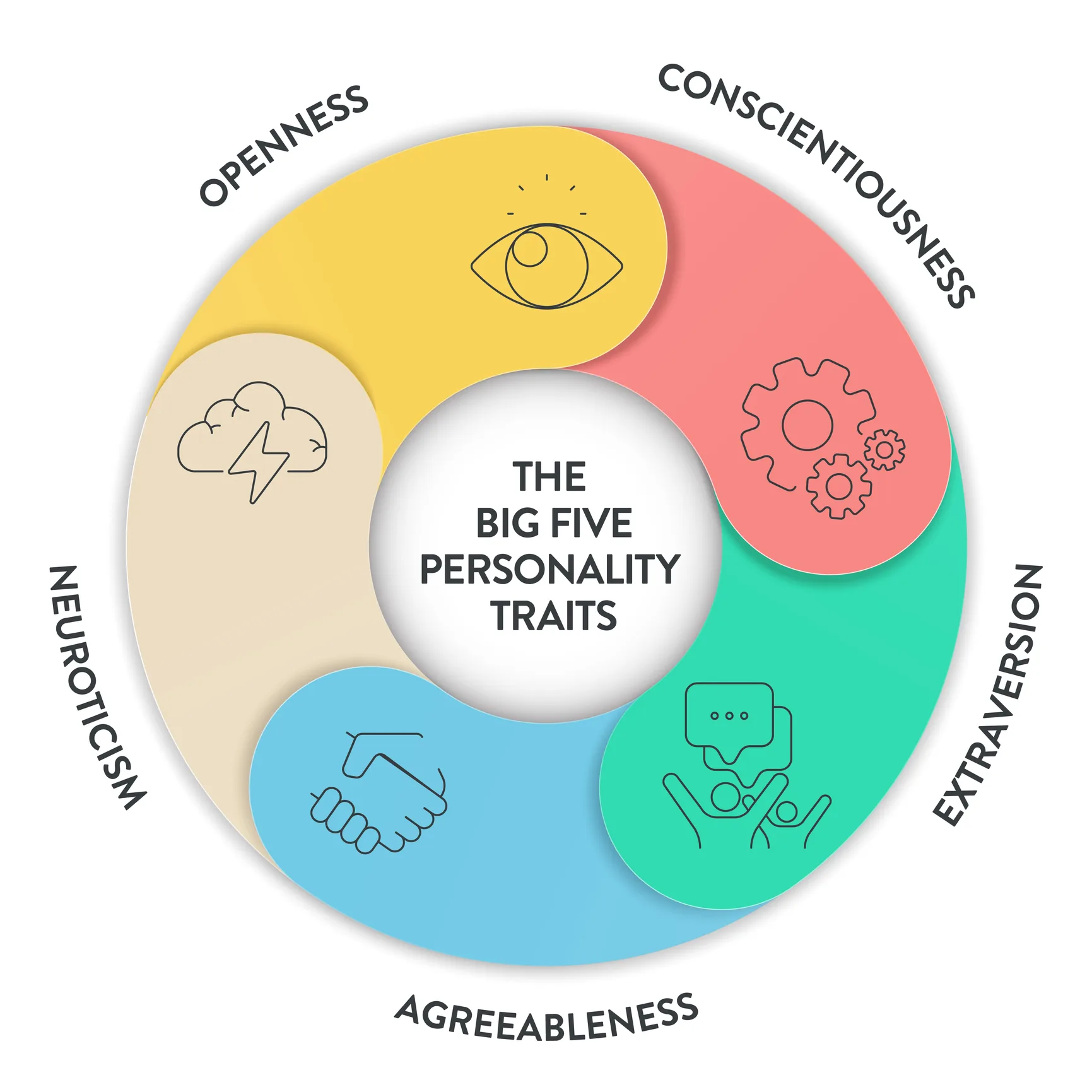
Participants completed questionnaires on stress levels and rated exercise enjoyment. Crucially, they also completed an inventory of the Big 5 personality traits: openness, conscientiousness, extroversion, agreeableness, and neuroticism.
The research uncovered definite connections between certain personality traits and exercise preferences. Before diving into the findings, consider taking a Big 5 test to understand your own dominant traits.
Tailoring Your Sweat Sessions to Your Soul
Remember, everyone is unique. The ideal workout for you should ultimately align with your individual life and circumstances.
The study found a strong link between extroversion and enjoyment of higher intensity exercise. This aligns with extroverts’ characteristic high energy and sociability.
Extroversion
If you’re highly extroverted, you’ll likely thrive in high-energy group fitness options that also offer social interaction. Think Zumba, HIIT, or bootcamp classes. As Jessica Matthews told Women’s Health, “These classes are all about people coming together, pushing each other… to get that social element, plus get a great workout.” A running club is another excellent choice; the Road Runners Club of America offers a searchable directory.
Agreeableness
While this study didn’t directly link agreeableness to specific activities, it’s reasonable that those who are flexible and trust others might enjoy group classes or personal training sessions.
If you score low on agreeableness (often linked to competitiveness), you might flourish in activities like CrossFit. Competing against yourself—tracking your personal records (PRs)—can also be a powerful motivator.
Conscientiousness
Organization, productivity, and responsibility are hallmarks of conscientiousness. Participants high in this trait tended to be more physically active.
However, conscientiousness did not predict greater enjoyment for any specific exercise. Researchers suggest this could be because conscientious individuals are often more motivated by positive health outcomes than immediate enjoyment. Therefore, if you’re highly conscientious, focus on identifying specific goals (e.g., building muscle, improving flexibility) and then select workouts tailored to those results.
Neuroticism
Neuroticism is characterized by a tendency towards anxiety and negative emotional states. In the study, highly neurotic individuals preferred lighter exercise and enjoyed at-home activities more than rigorous lab testing. Higher intensity activity was okay, but preferred in short bursts.
The most significant finding was that only participants with higher neuroticism experienced a significant decrease in stress after eight weeks. This underscores exercise’s crucial role for those prone to negative emotions. Consider at-home yoga or solo runs, with breaks between speed intervals.
Openness
Individuals high in openness tend to be adventurous and willing to try new experiences. This study found they generally preferred lower intensity exercises. The authors suggested this might be due to greater body awareness, indicating a focus on “sensations.”
If you score high on openness, a ClassPass membership could be ideal for trying diverse activities. Your adventurous spirit might also lead you to trail hiking or a rock climbing gym. For a bold experience, consider a pole dancing class.
The End Goal: Enjoyment and Consistency
Ultimately, finding your ideal workout might involve some trial and error, and it may even be an activity that doesn’t perfectly align with your highest-scoring Big 5 traits. As Ronca advised, “Just do something you enjoy, and no matter what you do, keep moving.”
Source: