What you eat in your 40s, 50s, and 60s significantly influences your health at age 70, according to a recent 30-year study. Researchers tracking over 100,000 middle-aged adults discovered that those who consistently favored plant-based foods and limited ultra-processed items had a greater chance of reaching their 70th birthday free from major chronic diseases.
The Study
The study, published in Nature Medicine, defined “healthy aging” as living to 70 without conditions like diabetes or heart failure, alongside good cognitive, physical, and mental health. Lead author Anne-Julie Tessier from the University of Montreal emphasized, “This suggests what you eat in mid-life can play a big role in how well you age.”
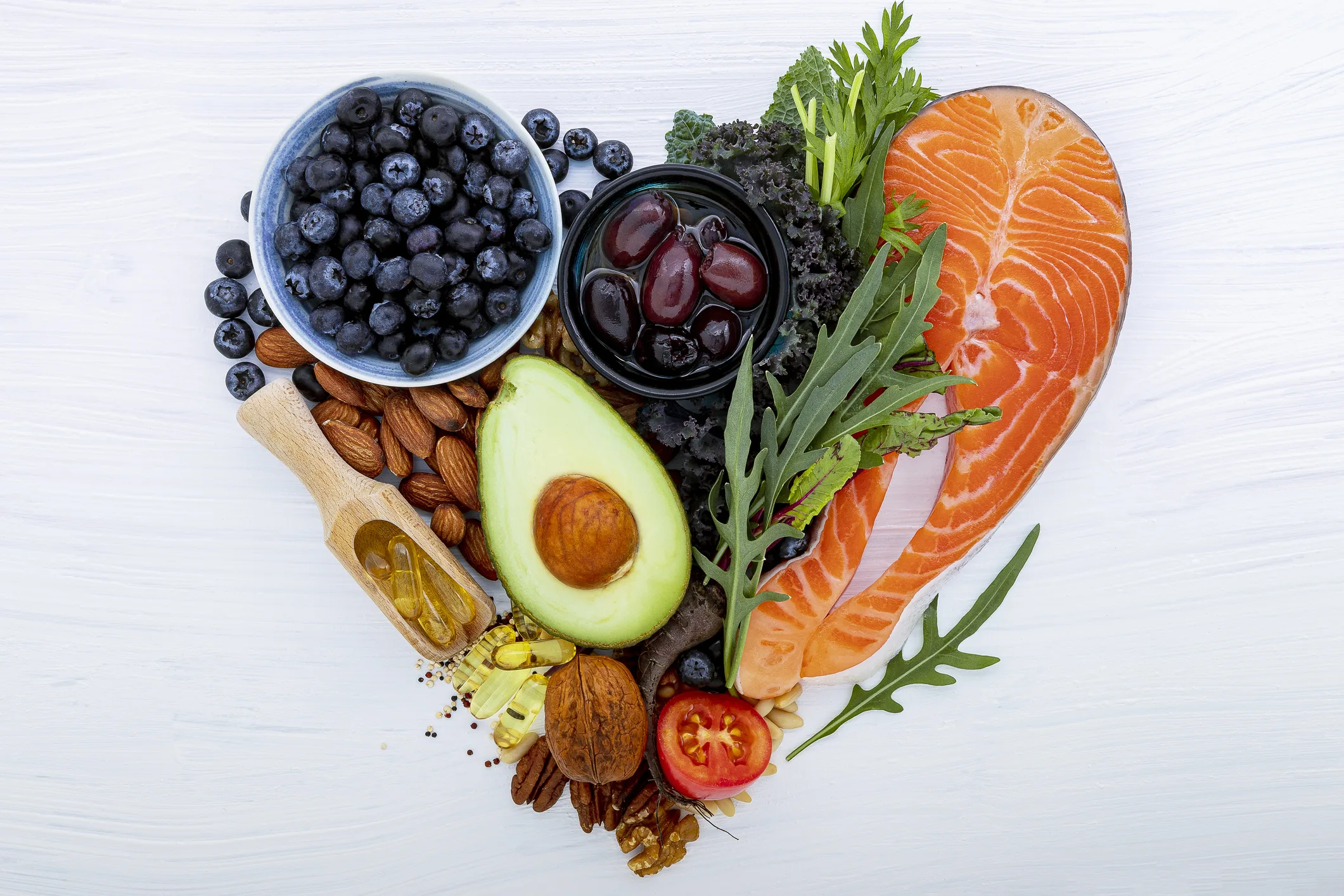
While previous research linked plant-rich diets to lower risks of heart disease and overall mortality, this study specifically investigated its impact on the quality of life in older age. The findings revealed that greater adherence to various healthy dietary patterns – like the Mediterranean and DASH diets – was associated with higher odds of healthy aging. These diets commonly feature more fruits, vegetables, whole grains, healthy fats, nuts, and beans.
Conversely, diets high in trans fats, sodium, sugary drinks, and red or processed meat were linked to a lower likelihood of healthy aging. Notably, participants with the highest consumption of ultra-processed foods had a 32% lower chance of healthy aging. Importantly, these dietary associations held true regardless of other lifestyle factors like exercise and smoking.
Key Dietary Tips:
The study highlighted common elements in healthy diets:
- Prioritize fruits and vegetables.
- Choose whole grains over refined grains.
- Opt for unsaturated fats.
- Include nuts and legumes regularly.
- Limit red and processed meats.
- Reduce intake of sugary beverages, trans fats, and sodium.
Takeaway
While specific healthy diets like the Mediterranean or MIND diet have unique focuses (like olive oil and berries, respectively), the overarching message is that a plant-forward approach with fewer processed foods is key. As researcher Maura Walker from Boston University notes, for most people, it’s about gradually “inching up” their diet towards these healthier targets, like incorporating more legumes.
Source: