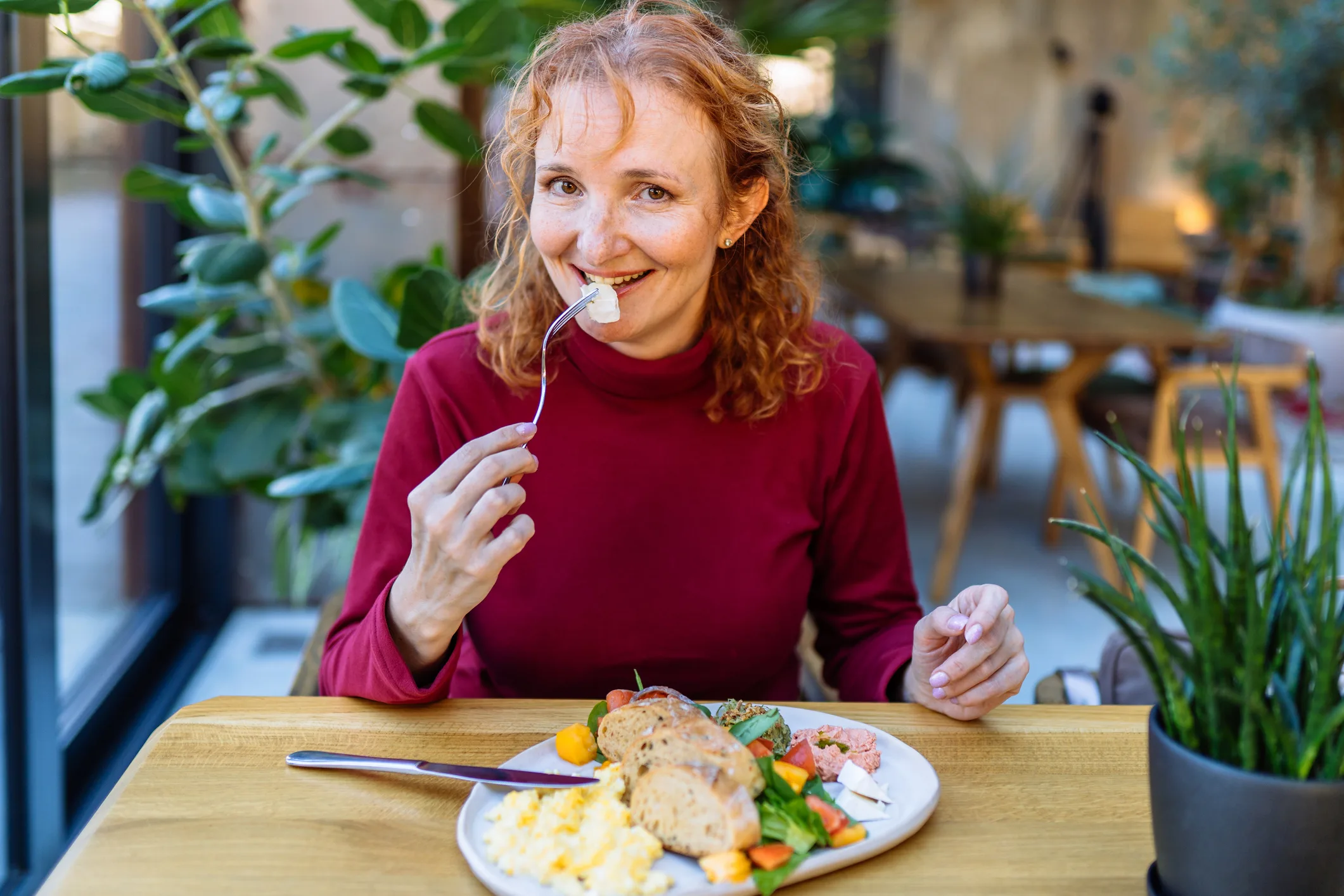
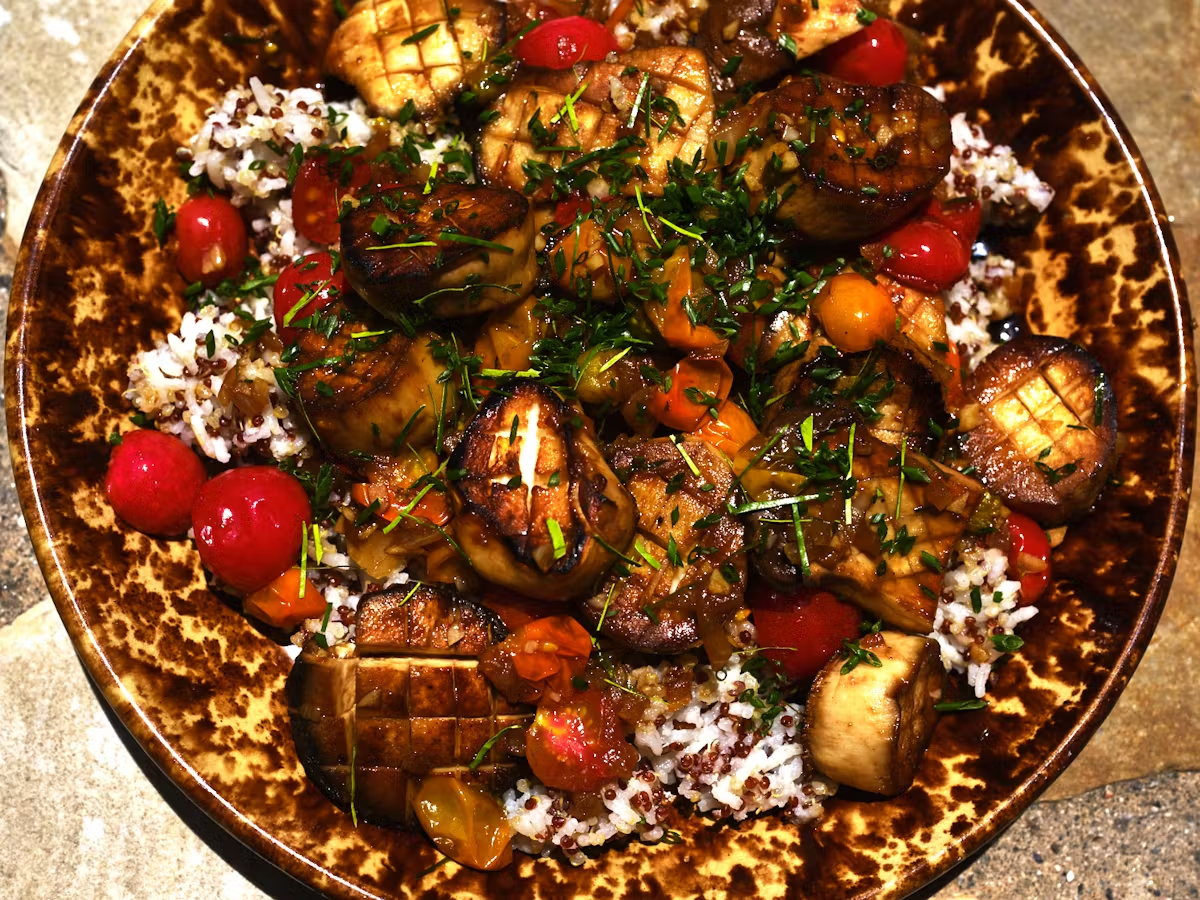
We’ve all experienced those moments of frustrating forgetfulness, the mental fog that creeps in as we age. But what if you could proactively combat these cognitive challenges, not with pills or potions, but with the food on your plate? The MIND diet offers a compelling answer.

The MIND Diet
It’s not just another fleeting food fad, the MIND diet is a powerful fusion of the heart-healthy Mediterranean and DASH diets, strategically designed to shield your brain from the ravages of age. It’s not about deprivation; it’s about embracing a delicious, vibrant way of eating that fuels your mind and body. It’s built on a foundation of scientific research, highlighting the specific foods that have shown promise in slowing cognitive decline and reducing the risk of neurodegenerative diseases.
Think of it as a personalized brain-boosting menu.
- Leafy Greens Take Center Stage: These vibrant powerhouses of vitamins and antioxidants aren’t just a side dish; they’re your brain’s best friends, working to protect your neurons from damage.
- Berries as Tiny Warriors: Especially blueberries and strawberries, are celebrated for their potent anti-inflammatory properties, acting like tiny warriors against cognitive decline.
- Olive Oil’s Nourishing Embrace: The heart of the Mediterranean diet, olive oil provides healthy fats that nurture your brain cells, keeping them supple and strong.
But the MIND diet isn’t just about what you should eat; it’s also about what you should limit. Red meat, fried foods, pastries, and sweets, the usual suspects in a less-than-ideal diet, are gently nudged aside. They’re not banned, but rather enjoyed in moderation, making room for the brain-nourishing stars of the show.
A scientifically backed suggestion not an ultimatum
What makes the MIND diet particularly intriguing is its focus on specific food groups and their impact on cognitive health. It’s not just a general recommendation for “healthy eating”; it’s a precise prescription, honed by years of research. Studies have shown that even moderate adherence to the MIND diet can significantly reduce the risk of Alzheimer’s disease and other forms of dementia. It’s about making conscious choices, understanding the link between food and brain function.
The beauty of the MIND diet lies in its practicality. It’s not a rigid, restrictive plan, but a flexible framework that allows for individual preferences and culinary creativity. You can weave these brain-boosting foods into your daily life, crafting delicious meals that nourish both your body and your mind. It’s about rediscovering the joy of cooking and eating, knowing that each bite is an investment in your cognitive future.
Sample Meal Plan
This sample meal plan is roughly 2000 calories, the recommended intake for an average person. If you have higher calorie needs, you may add an additional snack or two; if you have lower calorie needs, you may remove a snack. If you have more specific nutritional needs or would like assistance in creating additional meal plans, consult with a registered dietitian.
Breakfast: 1 cup cooked steel-cut oats mixed with 2 tablespoons slivered almonds, ¾ cup fresh or frozen blueberries, sprinkle of cinnamon
Snack: 1 medium orange
Lunch:
- Beans and rice – In medium pot, heat 1 tbsp olive oil. Add and sauté ½ chopped onion, 1 tsp cumin, and 1 tsp garlic powder until onion is softened. Mix in 1 cup canned beans, drained and rinsed. Serve bean mixture over 1 cup cooked brown rice.
- 2 cups salad (e.g., mixed greens, cucumbers, bell peppers) with dressing (mix together 2 tbsp olive oil, 1 tbsp lemon juice or vinegar, ½ teaspoon Dijon mustard, ½ teaspoon garlic powder, ¼ tsp black pepper)
Snack: ¼ cup unsalted mixed nuts
Dinner:
- 3 ounces baked salmon brushed with same salad dressing used at lunch
- 1 cup chopped steamed cauliflower
- 1 whole grain roll dipped in 1 tbsp olive oil
Source: