Let’s face it: our bodies in our 50s and beyond operate with a different set of rules. The diet that worked 20 years ago now just makes us sleepy. The stress we shrugged off then might now leave us feeling perpetually restless. This is where the wisdom of yoga and mindful eating becomes less about bending into a pretzel and more about creating a sustainable foundation for vitality, clarity, and peace.
Three respected yoga teachers share how they use their practice to feel better—not just on the mat, but when facing the grocery aisle or a holiday buffet.
Tune In: Listening to the Body’s Energy Forecast
As you age, managing your energy is paramount. Esther Ekhart, a pioneer in online yoga instruction, emphasizes that her practice is a journey of self-awareness. Yoga and meditation fine-tune your nervous system, allowing you to sense what truly nourishes you—and what gives you energy you don’t actually want.
- The Jitter Check: When you consume simple sugars or excess caffeine, do you feel nervous energy or a jittery crash? Esther notes that the effect often isn’t worth the momentary pleasure. At our age, we already have enough nervous energy to manage without beverage assistance!
- The Power of Whole Foods: She advocates for nurturing the body with wholesome, plant-based foods that are low in simple carbohydrates.
- The Grounding Breakfast: For sustained vitality and mental clarity, try a hearty start like chia seeds soaked in almond milk with nuts and frozen wild blueberries. This provides the fiber and healthy fats that keep you feeling grounded until lunchtime.

Conscious Eating: The Pursuit of Balance, Not Perfection
For José de Groot, a Yin and Yang yoga specialist, the practice allows her to turn inward and reflect on how internal and external factors, including stress and food, impact her body. The goal is balance, not dietary dictatorship.
- Trusting Nature’s Timing: José’s family focuses on eating seasonal fruits and vegetables, trusting that nature provides the nutrients needed at the right time. For example, winter naturally offers vegetables high in Vitamin C (looking at you, kale and Brussels sprouts).
- The Sattvic Principle: Ayurveda (yoga’s sister science) encourages eating sattvic foods—fresh, natural, and minimally processed. These choices are believed to promote energy and mental clarity.
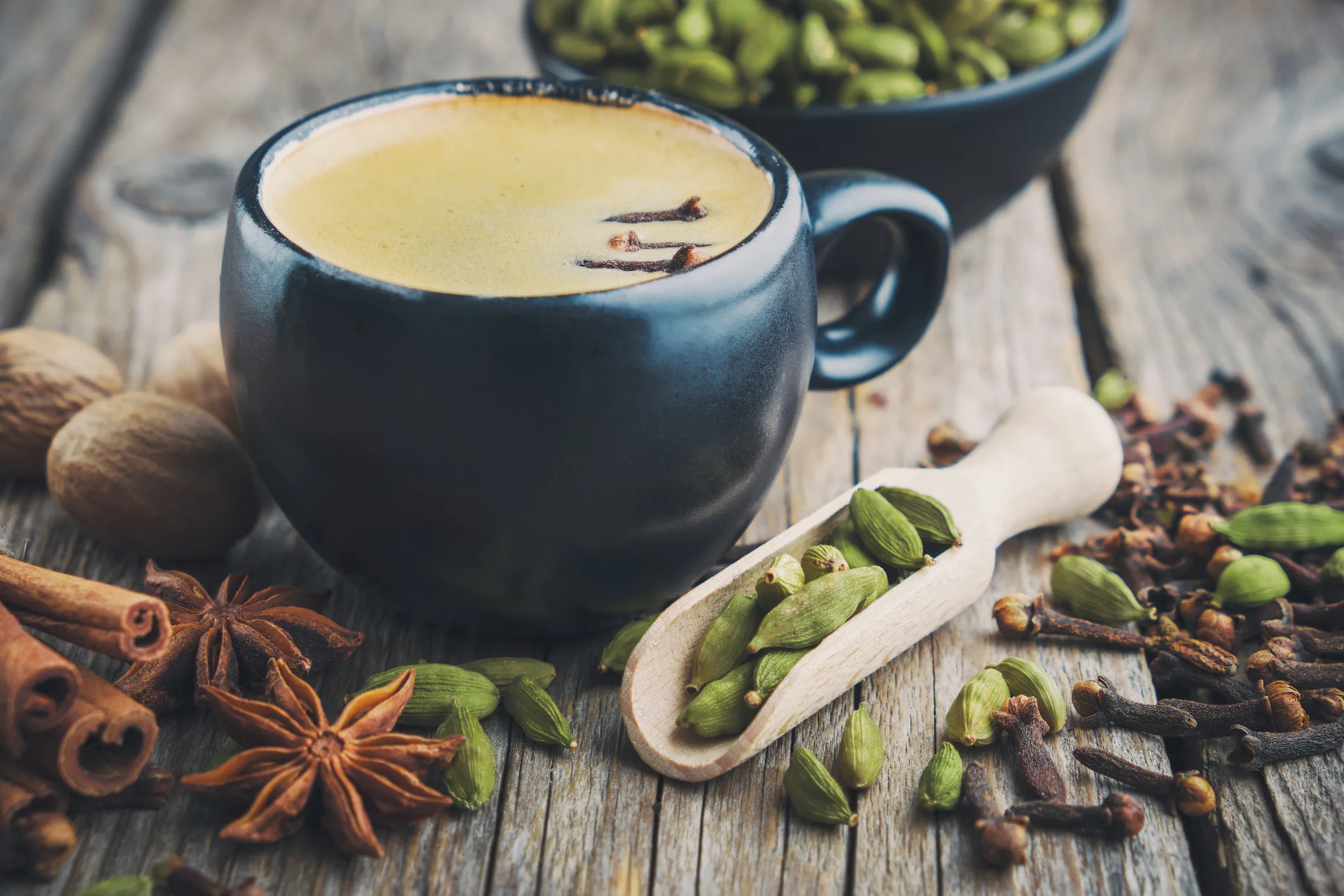
- The Witty Counterbalance: If you love your cappuccino, José suggests adding a dash of cardamom. This spice is known in Ayurveda to counteract the stimulating (and sometimes aggravating) effects of caffeine. Consider it a spa day for your morning ritual.
Digestion and Vitality: The Ojas Effect
Tashi Dawa, a retreat and teacher trainer, sees eating as much of a yoga practice as any posture. For the 50+ crowd, this means being acutely mindful of digestion, especially as our metabolism shifts.
- Beware of Ama (Toxins): According to Ayurveda, overeating depletes our ojas (the subtle essence of vitality and immunity) and creates ama (toxins). If you overeat, you don’t just feel heavy in the gut; you feel a palpable energetic downgrade in your mind. Who needs that kind of drag?
- Embrace the Six Tastes: Ayurveda encourages a balance of six tastes: sweet, sour, salty, pungent, bitter, and astringent. Pungent flavors (ginger, chili) are stimulating and detoxifying, while bitter greens (rocket, kale, watercress) help stimulate digestive juices.
- Top Tip: Preparation is Key: Prepare meals with love and gratitude, and then take the time to truly savor your food without distraction. Eating intentionally helps you stay connected to your body and the present moment—just like yoga does.

Takeaway
Ultimately, this integrated approach is about creating a stronger, more sensitive connection between your body and your choices, ensuring your next decades are filled with clarity, stability, and plenty of energy.
Source: