Remember when hosting a dinner party meant pulling out the stops—and maybe your wallet—for a platter of sea scallops? Delicious, yes, but often expensive and, let’s be honest, we’re all looking for heart-healthy alternatives these days.
Enter the humble mushroom, making a grand entrance disguised as something fancy. Specifically, the thick, meaty stem of the King Oyster mushroom (also called King Trumpet). Sliced and seared correctly, these vegetable imposters develop a beautiful golden crust, a firm, chewy texture, and an umami richness that is utterly satisfying. It’s the perfect dish for those of us who appreciate fine dining but also like to eat our vegetables and save a few dollars for the grandkids’ college fund.
Why Mushrooms Are the New Black (Tie)
For the 50+ crowd, the benefits of this switch are numerous. You get all the elegance of a classic dish with none of the hassle or risk.
- Heart Health Hero: You get a substantial, protein-rich bite without the sodium or cholesterol of traditional seafood.
- The Umami Power Play: Mushrooms are naturally rich in umami—that savory “fifth taste”—which means they feel incredibly satisfying and luxurious.
- Easy on the Wallet: King Oyster mushrooms are far less expensive than fresh scallops, making this a weeknight luxury instead of a special-occasion splurge.
The Recipe: Decadent Mushroom Scallops
This method focuses on creating maximum caramelization and flavor, mimicking the sear of a real scallop.
| Prep Time: 10 minutes | Cook Time: 15 minutes | Serves: 2 (easily scaled) |
Ingredients
- 4–6 large King Oyster mushrooms (select ones with thick stems)
- 2 Tbsp olive oil (or refined avocado oil, which has a higher smoke point)
- 2 Tbsp butter (dairy or plant-based)
- 1 clove garlic, minced
- 1 tsp fresh thyme leaves (optional, but lovely)
- Salt and black pepper to taste
Instructions: Seared Perfection
- Prep the ‘Scallops’: Trim off the very bottom of the mushroom stem and discard the cap (or reserve it for another recipe, like stir-fry). Cut the stems into rounds about ¾ inch thick.
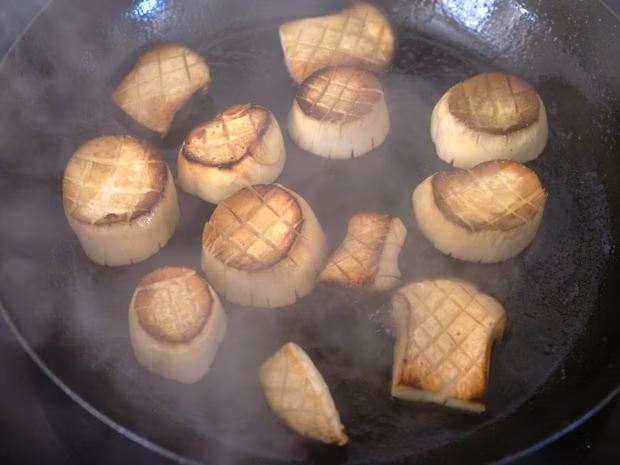
- Scoring is Key: Use a sharp paring knife to lightly score a crosshatch pattern (shallow criss-cross lines) on one flat side of each mushroom slice. This increases the surface area for flavor absorption and creates that beautiful sear.
- The Sear: Heat the oil in a heavy-bottomed skillet (cast iron is ideal) over medium-high heat until shimmering. Place the mushroom scallops, scored-side down, in the hot pan. Do not crowd the pan!
- Wait for the Crust: Cook for about 4–6 minutes, undisturbed, until a deep golden-brown crust forms. This patience is what separates the novices from the chefs.
- Flip and Finish: Flip the scallops. Add the butter, garlic, and thyme to the pan. As the butter melts, tilt the pan and use a spoon to constantly baste the mushrooms with the fragrant butter for 2–3 minutes until the other side is golden and the stems are tender.
- Serve Immediately: Sprinkle with salt and pepper and serve immediately, perhaps over a bed of creamy polenta, some lemon-garlic asparagus, or alongside your favorite risotto.
Chef’s Tip for Extra Umami: Marinate the scored mushrooms for 30 minutes in a dash of soy sauce and a little water before searing. Pat them very dry before they hit the hot pan!
The Wine Pairing (Because We Deserve It)
While this dish is plant-based, its rich, buttery quality pairs beautifully with wines traditionally saved for seafood. Go for a crisp, unoaked white wine:
- A zesty Sauvignon Blanc
- A dry, mineral-driven Pinot Grigio
- A classic, buttery Chardonnay (if you prefer a richer experience)