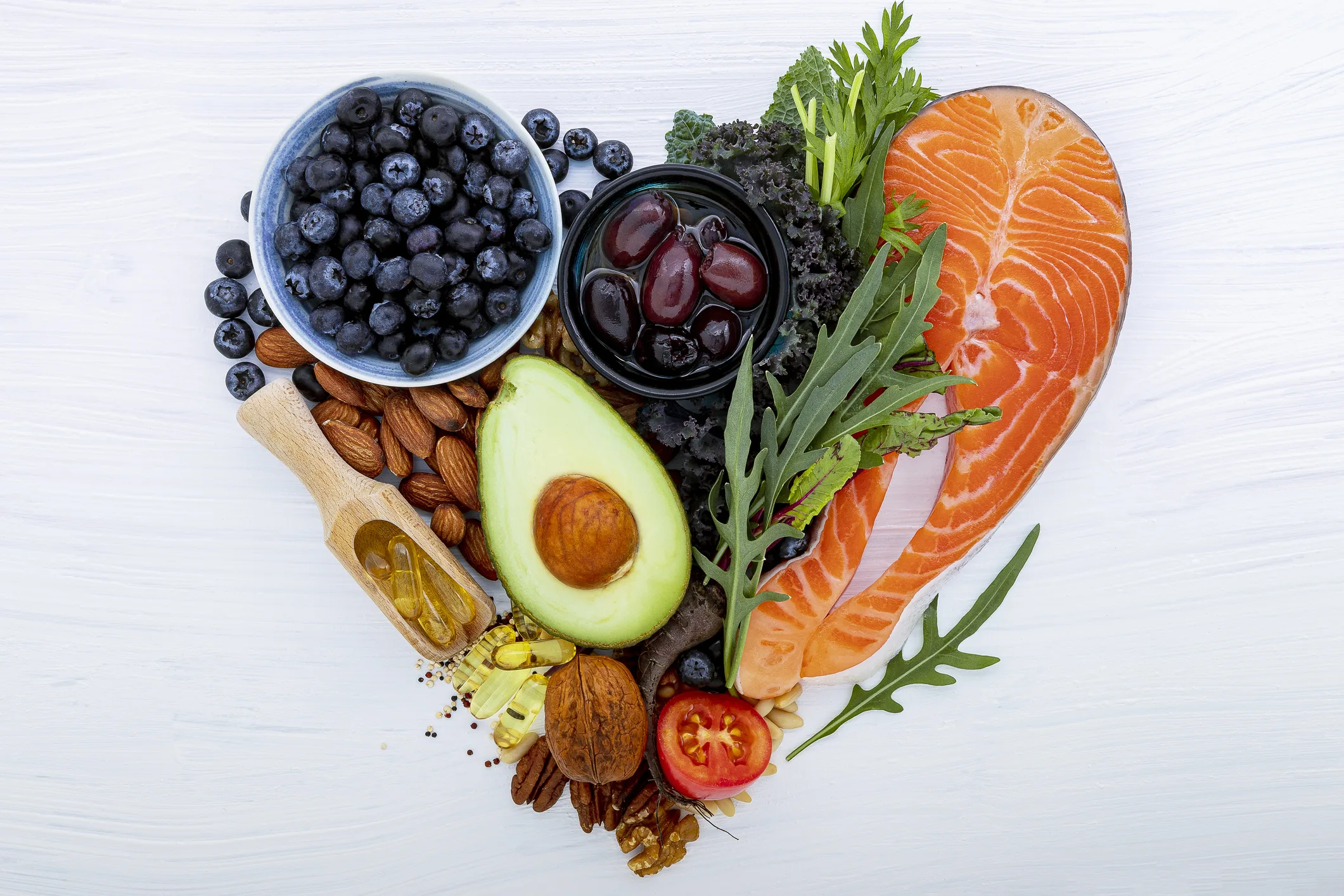
Welcome to the age of wisdom, where our joints creak like floorboards in a haunted house and our “reading glasses” have become a permanent facial feature. By now, we’ve figured out that we can’t exactly eat like we’re 22 anymore—unless we want to spend the next three days regretting that 11:00 PM pizza. While we’ve mastered the art of the “quick nap” and knowing exactly which grocery store has the best produce, many of us are still making a few unintentional blunders in the kitchen. Specifically, when it comes to the two heavy hitters of longevity: protein and fiber.
The Protein Gap: Why “Enough” Isn’t Sufficient
For decades, women were told that as they age, they should eat less. While that might be true for calories, it is the exact opposite for protein. Many women over 50 are inadvertently following outdated guidelines that suggest a baseline of 0.8 grams of protein per kilogram of body weight. However, modern research suggests that for those in the 50-plus club, that number should be closer to 1.2 or 1.6 grams per kilogram.
As women age, the body experiences “anabolic resistance,” a fancy term meaning muscles aren’t as efficient at processing protein as they once were. To keep muscles firm and metabolism humming, women need to “speak louder” to their bodies by providing more high-quality building blocks.
- The Distribution Dilemma: Most people backload their protein, eating a tiny bit at breakfast and a massive steak at dinner. For optimal muscle maintenance, aim for 25–30 grams of protein at every meal.
- The Sarcopenia Struggle: Muscle loss, or sarcopenia, is a natural part of aging, but it’s not inevitable. Adequate protein combined with light resistance training is the best defense against frailty.
- Quality Over Convenience: While protein bars are easy, they are often glorified candy bars. Focus on whole sources like Greek yogurt, eggs, lentils, fish, and lean poultry.
The Fiber Factor: More Than Just “Staying Regular”
Fiber often gets a bad rap as the “boring” nutrient, usually associated with dusty bran muffins or chalky supplements. In reality, fiber is a powerhouse for cardiovascular health and weight management. For women over 50, the goal is roughly 21 to 25 grams per day, yet the average adult barely hits 15 grams.
Fiber acts as a natural “scrubber” for your arteries and a stabilizer for your blood sugar. When you skip out on fiber, you’re more likely to experience energy crashes and the dreaded mid-afternoon “hanger” that leads straight to the cookie jar.
- Soluble vs. Insoluble: Soluble fiber (found in oats and apples) helps lower cholesterol, while insoluble fiber (found in whole grains and vegetables) keeps your digestive tract moving smoothly.
- Weight Management: Fiber-rich foods take longer to chew and digest, meaning you feel full longer on fewer calories.
- Blood Sugar Stability: Fiber slows the absorption of sugar, preventing the spikes and crashes that can lead to insulin resistance over time.
Common Pitfalls to Avoid
Even with the best intentions, it’s easy to fall into old habits. Many women over 50 mistakenly believe that “low-fat” or “gluten-free” labels automatically mean a food is healthy. Often, these processed items are stripped of the very fiber and protein we need most.
- Relying on “Health” Labels: Many processed snacks marketed as healthy are loaded with hidden sugars and sodium. Always check the back of the box, not just the flashy front.
- The Coffee Trap: Specialty lattes can contain more sugar than a dessert. These “liquid calories” don’t provide satiety and can sabotage an otherwise balanced diet.
- Ignoring Variety: Eating the same three healthy meals every day can lead to nutrient gaps. Rotating your vegetables and protein sources ensures you’re getting a full spectrum of vitamins.
In short, eating well after 50 isn’t about restriction; it’s about being strategic. You’ve spent years taking care of everyone else—it’s finally time to put that same effort into your own fuel tanks. Now, go grab an apple and some Greek yogurt—your future self will thank you.
Source: