Remember when you could roll out of bed after four hours of sleep, eat a cold slice of pizza for breakfast, and comfortably lift a couch? Welcome to the era where sleeping at an odd angle requires a two-day physical therapy intervention, and looking at a flight of stairs makes your knees debate early retirement. Aging is a beautiful, wisdom-filled journey, but it also comes with some undeniable physiological shifts. Chief among them is the stealthy, gradual loss of muscle mass—a process science calls sarcopenia, but you might know as “why is this pickle jar suddenly made of titanium?” If you want to keep your physical independence, outrun your grandkids, or just carry all your groceries in a single trip, it is time to talk about protein.
The Hidden Threat of Low Protein Intake
A groundbreaking study published in the peer-reviewed medical journal Nutrients investigated how dietary protein impacts functional impairment as we age. Utilizing comprehensive data from the Survey of Health, Ageing and Retirement in Europe (SHARE), researchers tracked thousands of older adults to understand the precise relationship between what we eat and how well we move.
The findings were stark: inadequate protein consumption is directly linked to an increased risk of functional impairment. This means a higher likelihood of struggling with Activities of Daily Living (ADLs)—fundamental tasks such as dressing, walking across a room, bathing, or getting in and out of bed. The study emphasizes that preserving muscle mass is not a matter of aesthetics; it is the physiological foundation of personal autonomy.
Understanding Sarcopenia and Anabolic Resistance
To appreciate why protein needs escalate as the decades advance, it helps to understand two distinct biological phenomena that begin to accelerate around age 50:
- Sarcopenia: Starting around your 30s, the body naturally begins to lose muscle mass and function. By the time you reach 50, this rate of loss can accelerate to roughly 1% of total muscle mass per year. Left unchecked, this can lead to severe frailty, metabolic slowdown, and an increased risk of debilitating falls.
- Anabolic Resistance: In our younger years, the body is highly efficient at converting even small amounts of protein into new muscle tissue. As we age, our muscles become “resistant” to these signals. It requires a higher concentration of amino acids—the building blocks of protein—in the bloodstream to trigger the exact same level of muscle synthesis.
Clinical Fact: The Nutrients study highlighted that low protein intake does not affect everyone identically. The risk of functional impairment manifests in an age- and gender-specific manner, meaning tailored nutritional interventions are critical rather than a one-size-fits-all approach.
How Much Protein Do Older Adults Actually Need?
The traditional Recommended Dietary Allowance (RDA) for protein sits at a modest 0.8 grams per kilogram of body weight per year for adults. However, an overwhelming consensus among modern geriatric and nutritional medical organizations—including the PROT-AGE Study Group and the European Society for Clinical Nutrition and Metabolism (ESPEN)—suggests this baseline is insufficient for those over 50.
To actively combat muscle wasting and preserve physical function, experts recommend the following guidelines:
- Healthy Older Adults: 1.0 to 1.2 grams of protein per kilogram of body weight daily. For a person weighing 150 pounds (approx. 68 kg), this translates to roughly 68 to 82 grams of protein per day.
- Adults with Acute or Chronic Illnesses: 1.2 to 1.5 grams per kilogram daily, as medical conditions and recovery significantly increase the body’s metabolic demand for tissue repair.
- Per-Meal Distribution: Aim for 25 to 30 grams of high-quality protein per main meal. Spreading intake evenly throughout the day ensures a steady supply of amino acids to overcome anabolic resistance, rather than back-loading all your protein into a heavy dinner.
High-Quality Protein Sources to Prioritize
Achieving these daily targets requires intentional dietary choices. Focus on complete proteins that contain all essential amino acids, particularly leucine, a key trigger for muscle synthesis.
- Lean Meats and Poultry: Chicken breast, turkey, and lean cuts of beef provide dense protein alongside highly bioavailable iron and zinc.
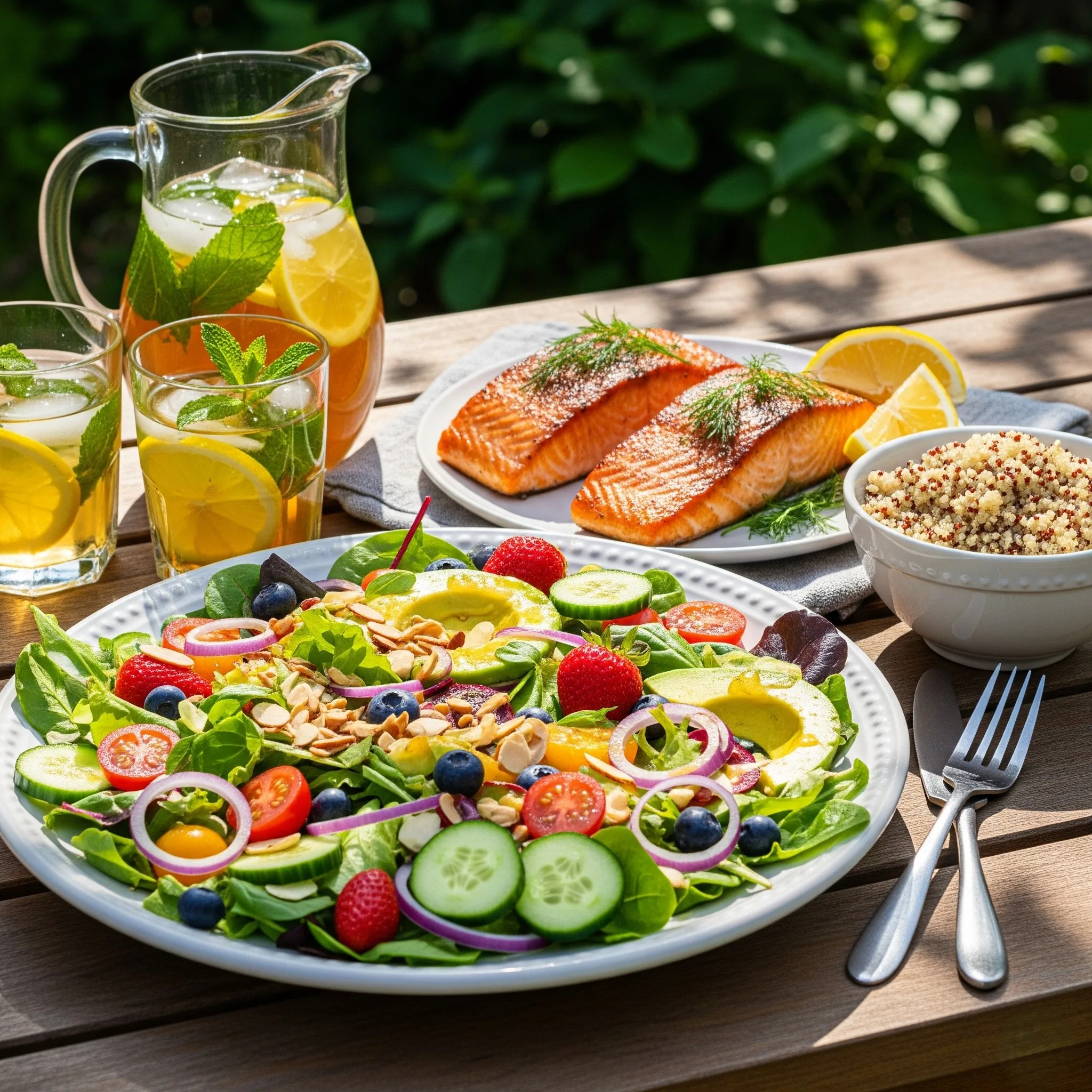
- Fish and Seafood: Salmon, mackerel, and sardines pull double duty, delivering clean protein alongside omega-3 fatty acids, which reduce muscle-wasting systemic inflammation.
- Dairy and Eggs: Greek yogurt, cottage cheese, and whole eggs are exceptionally easy for the body to digest and utilize. Greek yogurt, in particular, often contains double the protein of traditional yogurt.
- Plant-Based Alternatives: For those favoring plant sources, combining lentils, chickpeas, quinoa, and tofu ensures a complete amino acid profile.
Takeaway
Ultimately, protecting your muscles is about protecting your freedom. You don’t need to transform into a competitive bodybuilder or start spending your mornings drinking raw eggs like Rocky. You just need to ensure your body has the raw materials it needs to keep you moving, balanced, and upright. So, the next time you are planning a meal, skip the “toast and tea” routine and make protein the main event on your plate. Your muscles—and your future self—will thank you. And who knows? With a little extra strength, you might finally conquer that titanium pickle jar on your own.