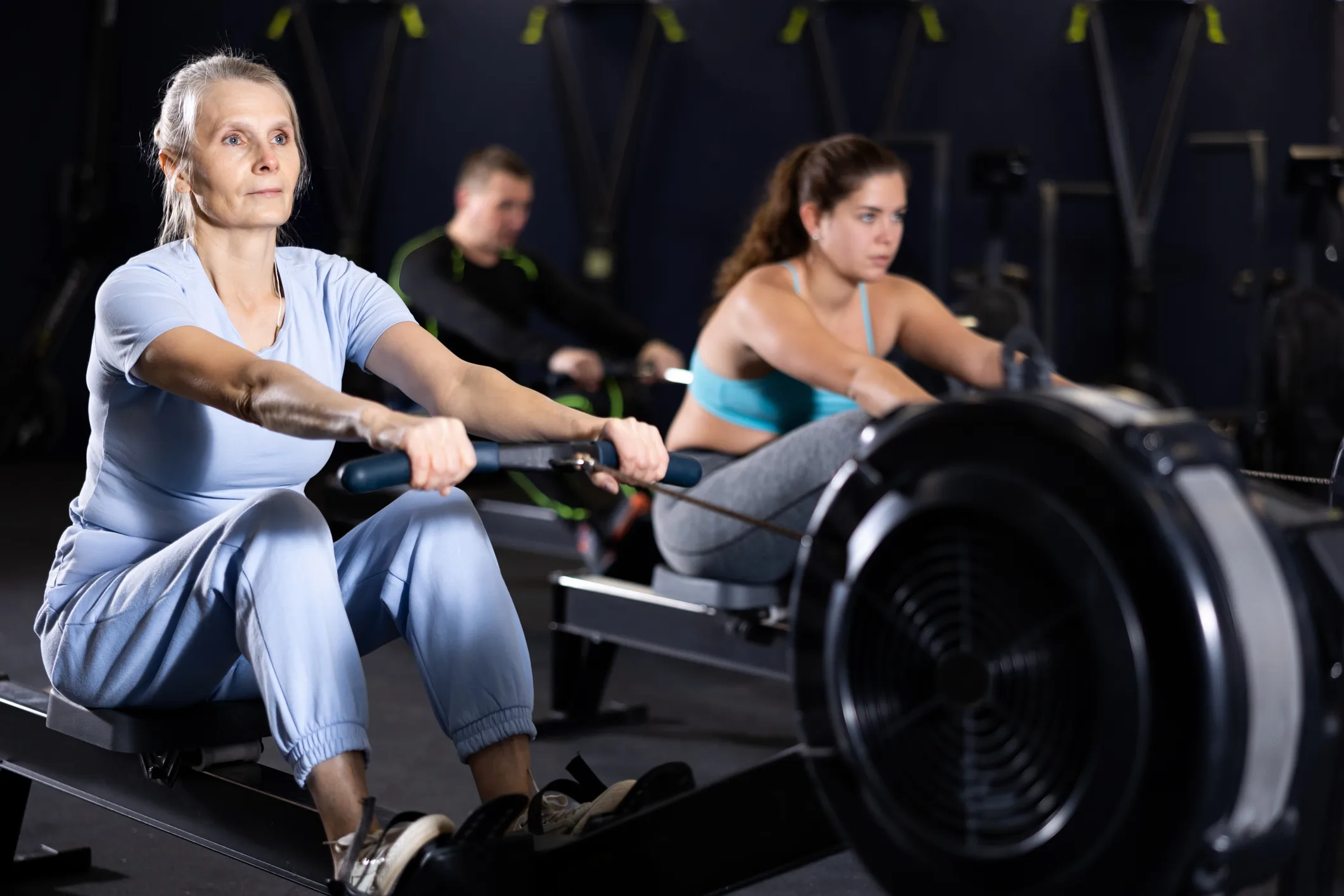
Let’s be honest: by the time we hit 60, the idea of “pumping iron” in a gym full of twenty-somethings in spandex sounds about as appealing as a root canal. We’ve spent decades carrying the weight of the world on our shoulders—why add a 40-pound dumbbell to the mix? But here’s the reality: our muscles have a “use it or lose it” policy, and they’ve started checking the fine print. If you’ve noticed that opening a jar of pickles has become a high-stakes Olympic event, or that your knees make more noise than a bowl of Rice Krispies, it’s time to meet your new best friend: the resistance band. These giant rubber bands are essentially a gym you can fit in your pocket, and unlike that treadmill you currently use as a clothes rack, you’ll actually enjoy using them.
Reversing the Clock on Muscle and Bone Loss
As we navigate our 60s and beyond, the body naturally begins to lose muscle mass (sarcopenia) and bone density. Clinical research shows that resistance band training is an exceptionally effective—and safe—way to counteract these changes without the joint strain often associated with heavy weights.
- Combating Sarcopenic Obesity: Studies have demonstrated that a 12-week resistance band program can significantly reduce body fat percentage while increasing skeletal muscle mass. This is crucial for metabolic health and maintaining a healthy weight.
- Bone Density and Osteoporosis: For postmenopausal women and those at risk for osteoporosis, the “tug” that bands place on the bone during exercise stimulates bone-building cells. This helps improve bone mineral density and reduces the risk of fractures.
- Hormonal and Molecular Benefits: Engaging in regular band work has been shown to influence muscle growth factors at a molecular level, helping to “block” the pathways that lead to muscle degradation as we age.
Stability, Balance, and Fall Prevention
One of the most life-changing benefits of resistance bands is their impact on “functional” movement—the kind of strength you need to keep from stumbling on a curb or to get out of a low chair with grace.
- Enhanced Proprioception: Unlike machines that move in a fixed path, bands require you to stabilize yourself. This improves your “joint position sense,” essentially retraining your brain and body to communicate better.
- Gait and Mobility: Research indicates that older adults using bands see measurable improvements in their “Timed Up and Go” tests. This means faster walking speeds and a more confident, steady stride.
- Ankle and Lower Limb Strength: Specific movements—like ankle flexions and seated leg extensions with a band—directly strengthen the muscles responsible for balance, drastically lowering the statistical risk of falls.
Cardiovascular and Metabolic Maintenance
It’s not just about the “vanity muscles.” Resistance training with elastic bands has a profound effect on what’s happening inside your pipes.
- Blood Pressure and Lipid Profiles: Consistent training has been linked to lower systolic blood pressure and improved cholesterol levels (specifically lowering LDL, the “bad” kind).
- Metabolic Syndrome Prevention: For those managing obesity or early signs of Type 2 diabetes, band exercises help regulate blood glucose levels and improve insulin sensitivity by turning your muscles into more efficient “glucose sponges.”
Mental Clarity and Psychological Well-being
The benefits aren’t just physical; they’re “above the shoulders” as well. Physical activity is one of the most underutilized tools for mental health.
- Reduced Anxiety and Depression: The biochemical shift during exercise—releasing endorphins and lowering cortisol—helps combat the “blues” and anxiety that can creep in during life transitions.
- Cognitive Function: Regular resistance training is associated with better memory and focus, as the improved circulation and hormonal balance support overall brain health.
Wrapping It Up
So, while you might feel like a human slingshot the first few times you loop a band around your feet, stick with it. It’s a lot cheaper than a gym membership, and you can do it while watching the evening news or waiting for the kettle to boil. You’ve earned a body that feels strong and capable. Grab a band, give it a stretch, and remind your muscles that they aren’t retired yet—they’re just getting their second wind.
Source:
Aging With Strength: Functional Training to Support Independence and Quality of Life
Effects of resistance exercise programs on older adults: a systematic review and meta-analysis