Remember back in our twenties when we could survive on a diet of lukewarm pizza and sheer audacity? Those were the days. Fast forward a few decades, and our bodies have become significantly more opinionated. Now, if we skip a meal or sleep at the wrong angle, our joints start lodging formal complaints. In our quest to keep the “engine” running smoothly, many of us over 50 have turned to trendy wellness habits—specifically, the art of not eating. But as it turns out, one of the most popular health trends today might actually be doing more harm than good once you’ve hit the half-century mark.
The Hidden Risks of Extreme Food Restriction
While intermittent fasting and aggressive calorie cutting are often hailed as “fountain of youth” strategies, medical professionals are raising red flags for the 50-plus demographic. According to experts like Dr. Brian Blank and Dr. Barbara Bawer, taking food restriction too far can lead to a physiological “backfire.” For adults in their prime, the goal isn’t just a lower number on the scale; it is the preservation of vital systems that keep us mobile and independent.
When the body is deprived of consistent energy and essential nutrients, it enters a state of stress that can manifest in several detrimental ways:
- Cognitive and Emotional Strain: Extreme restriction often leads to irritability (the dreaded “hanger”), sleep disruption, and obsessional thinking about the next meal.
- Physical Instability: Inadequate caloric intake can cause sudden drops in blood sugar, leading to dizziness or fainting—a primary concern for older adults due to the increased risk of falls.
- Weakened Immunity: Malnutrition or even minor nutrient deficiencies can hamper the body’s ability to fight off infections, making it harder to recover from common illnesses.
The Muscle and Bone Connection
One of the most critical reasons to avoid extreme fasting after 50 is the preservation of lean muscle mass and bone density. As we age, we naturally face a biological headwind known as sarcopenia (age-related muscle loss). Aggressive dieting can accelerate this process because, in the absence of enough food, the body may begin to break down its own muscle tissue for energy.
Maintaining a professional and balanced approach to nutrition is vital for several reasons:
- Protein Synthesis: Reaching daily protein targets is significantly harder when your “eating window” is too narrow. Without enough protein, the body cannot repair or maintain the muscles required for balance and mobility.
- Bone Integrity: Restricting entire food groups often leads to a deficit in calcium and Vitamin D, increasing the risk of osteoporosis and fractures.
- Metabolic Health: Long-term restriction can slow the metabolism, leading to a “yo-yo” effect where weight is regained quickly, often as fat rather than muscle.
Medication and Meal Timing
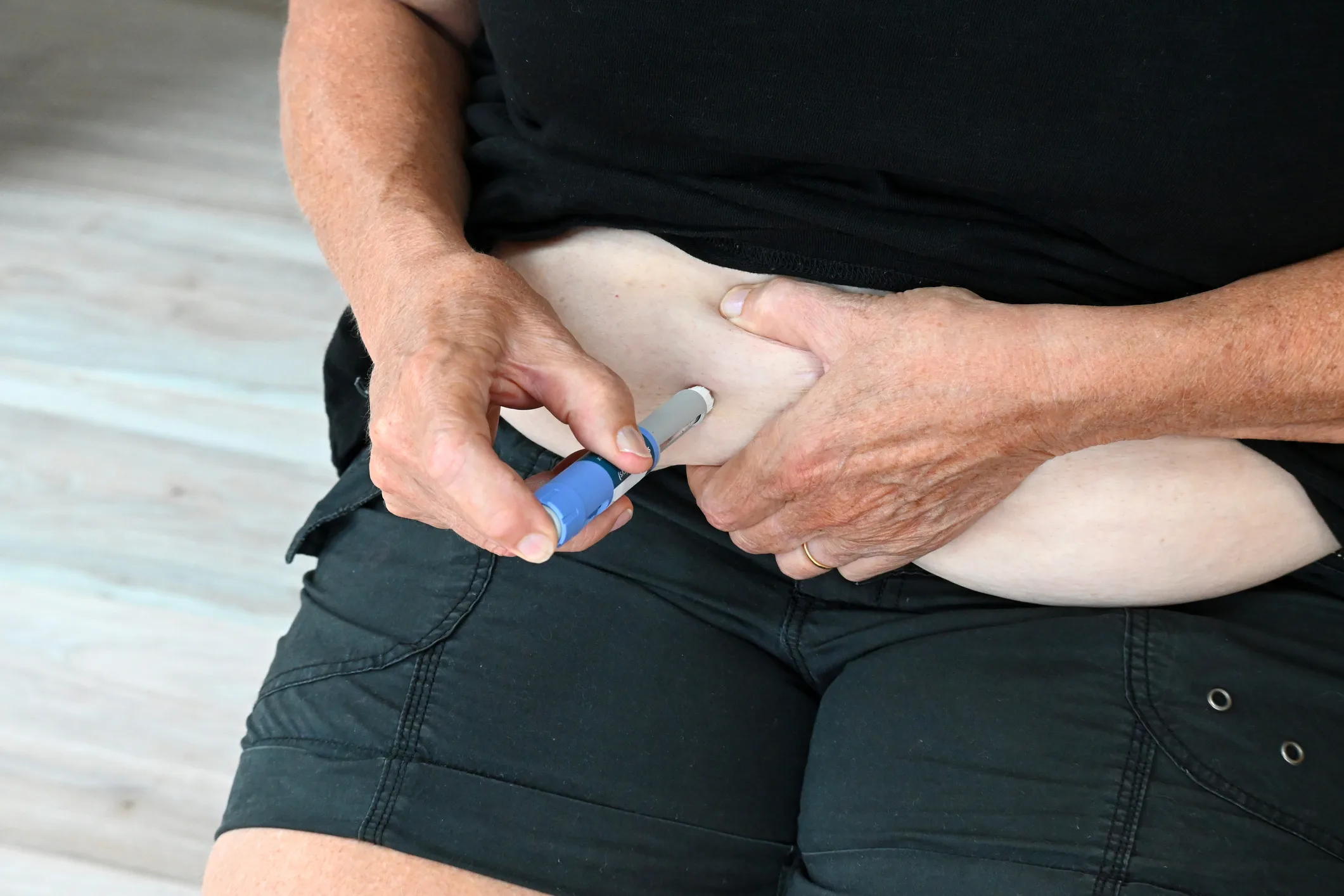
For many adults over 50, daily medications are a reality. Doctors warn that fasting protocols can interfere with the efficacy and safety of these prescriptions. Some medications require food to buffer the stomach lining, while others—particularly those for blood pressure or diabetes—can cause dangerous side effects if taken on an empty stomach for prolonged periods. Before adopting any restrictive eating schedule, it is imperative to consult with a physician to ensure it doesn’t conflict with your specific medical regimen.
Finding a Sustainable Path Forward
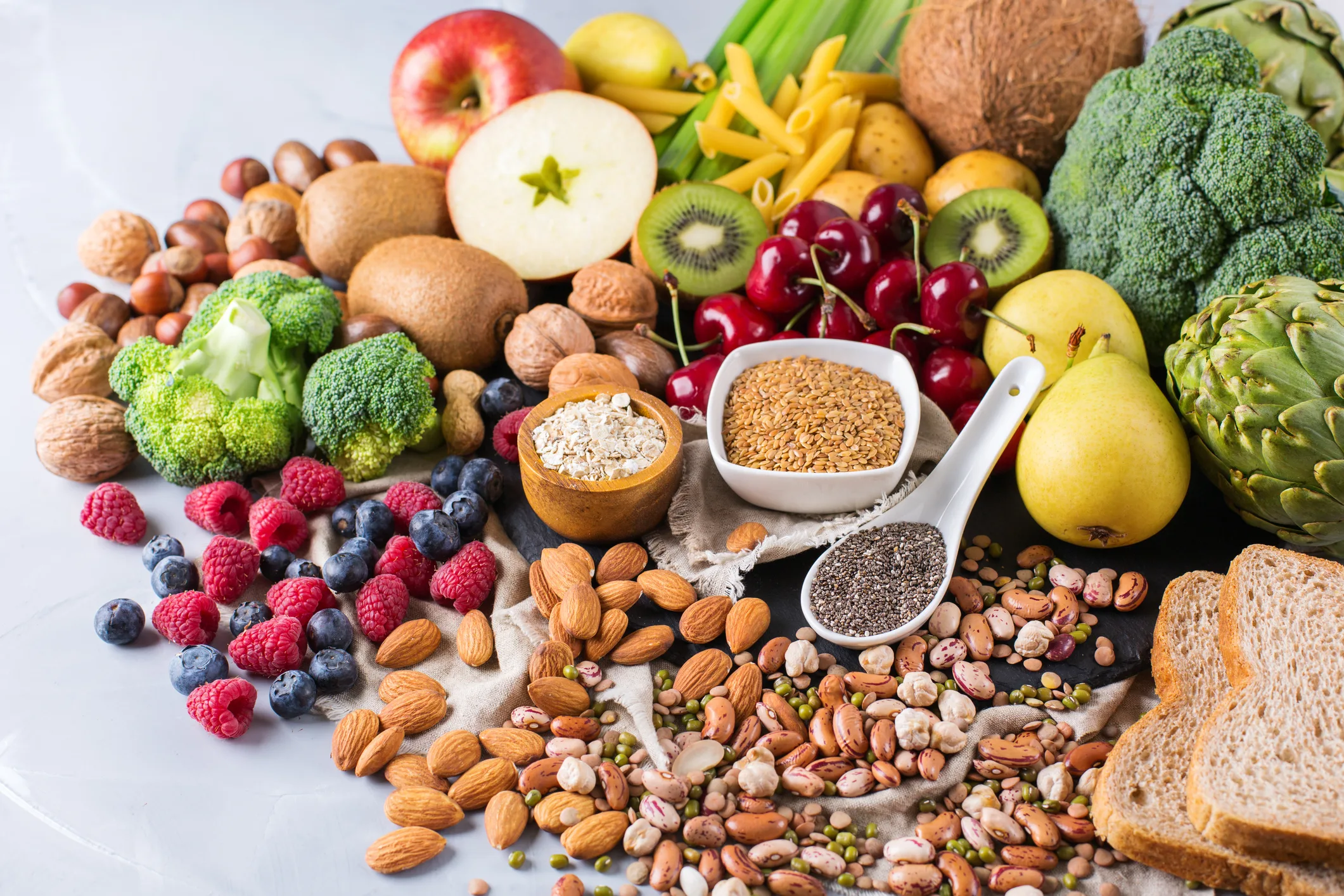
Rather than chasing the latest fad, focus on consistency over intensity. Experts suggest that a more moderate approach—simply being mindful of portion sizes and choosing nutrient-dense foods—often yields the same cardiometabolic benefits as fasting without the physical risks.
- Prioritize Variety: Avoid diets that demand the total elimination of food groups.
- Focus on Fuel: View food as the necessary fuel for your activities rather than an “enemy” to be avoided.
- Listen to Red Flags: If a habit leaves you feeling fatigued, cold, or anxious, it’s a sign your body needs more support.
Bottom Line
While we might not be able to bounce back from a late-night taco run quite like we used to, we also shouldn’t be starving ourselves in the name of “health.” Let’s leave the extreme fasting to the twenty-somethings who still think they’re invincible. At our age, wisdom should extend to our dinner plates: eat well, move often, and maybe keep a healthy snack in your bag—just in case. After all, we’ve worked too hard for this level of seniority to spend it feeling dizzy and grumpy!
Source:
The Popular ‘Healthy’ Habit Doctors Say Can Backfire After 50