They say wisdom comes with age, but apparently, so does the sudden urge to throw yourself into a body of water at dawn and row a glorified carbon-fiber toothpick across a bay. If your idea of high-intensity exercise past the age of sixty usually involves aggressively changing the television channel or dominating a high-stakes game of Scrabble, you might be surprised to learn that a growing cohort of older adults—particularly women well into their seventies, eighties, and nineties—are trading comfort for oars. After all, aging gracefully is vastly overrated; aging with a pair of sculls and a vengeance is much more entertaining.
The Mechanics of Longevity: Why Rowing Works
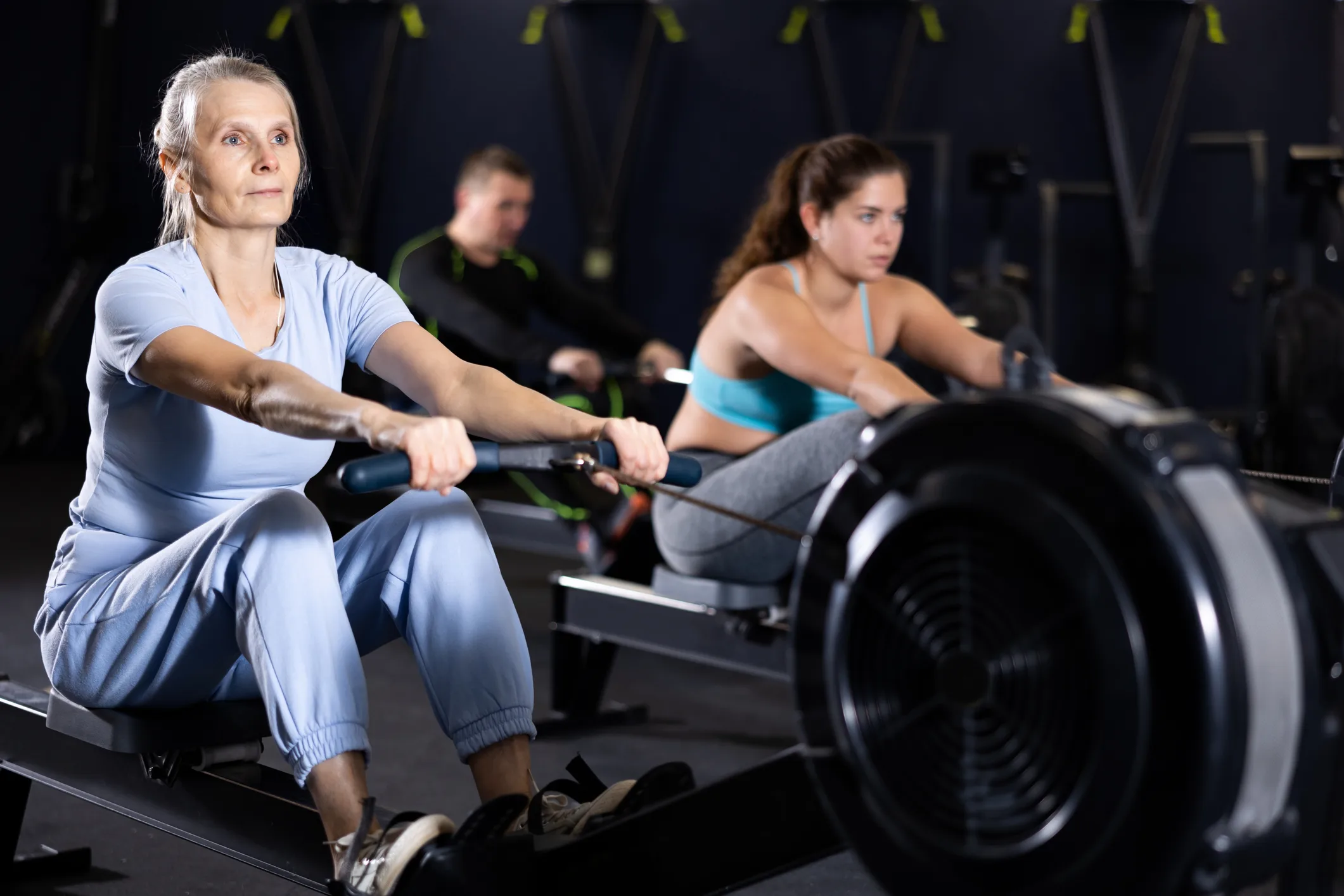
When we look past the picturesque sunrise over the boathouse, rowing is fundamentally an exercise in brutal, beautiful biomechanics. Far from being a casual upper-body pastime, competitive and recreational rowing engages roughly 85 percent of the body’s musculature.
From a physiological standpoint, rowing provides a unique matrix of benefits backed by sports science and medical research:
- Low-Impact, High-Efficiency Conditioning: Unlike high-impact activities like running, which can wage war on aging knees and hips, rowing offers a smooth, fluid motion. It protects joint integrity while delivering a robust cardiovascular workout.
- Cardiorespiratory Enhancement: Clinical and sports science studies demonstrate that consistent moderate-intensity rowing improves maximum oxygen uptake ( max), strengthens myocardial efficiency, and accelerates heart rate recovery—a key indicator of cardiovascular resilience.
- Musculoskeletal Preservation: The rhythmic push-and-pull dynamic places safe, mechanical loading on bones and tendons. Medical literature highlights this loading as an effective stimulus for preserving bone mineral density and mitigating osteoporosis risks.
- Neuroplasticity and Cognitive Health: Mastering a complex, multi-phase movement pattern forces the brain to continuously adapt, build, and maintain neural pathways. Novel physical challenges act as an ongoing stimulus for cognitive health.
Rewriting the Rules at 80 and Beyond
Much of what society assumes about the octogenarian body is fundamentally flawed, largely because those baselines are built by people who stopped exercising decades ago. Exercise scientists who study older athletes as models of healthy aging point out that women still training and racing into their eighties take lifelong inactivity “out of the equation.” Aerobic fitness, strength, and power remain remarkably responsive to training even later in life—or as sports researchers compare it, assuming decline is inevitable at eighty is like choosing not to brush your teeth for forty years and blaming the dentist for the result.
Despite historical barriers such as growing up long before the passage of Title IX—which left many women believing competitive team sports were never meant for them—trailblazing masters crews are rewriting the script. Across the country, groups like the historic octogenarian women’s eight out of Marin County are proving that chronological age is a poor predictor of athletic capability.
Community, Cognition, and Consistency
Beyond the physical biomarkers, the psychological and social dividends of sport in later life are profound. Isolation remains one of the most insidious threats to longevity, rivaling smoking and high blood pressure in its negative health impacts. Joining a crew requires synchronization, communication, and deep mutual trust. You cannot drift through a team boat; everyone’s movement depends entirely on everyone else’s.
Medical research increasingly underscores that purposeful social connection combined with physical exertion drastically reduces cortisol levels, lowers systemic inflammation, and fosters a sense of psychological safety. As noted by regular participants who found solace and community in the sport following major life disruptions or health scares, stepping into a boat offers a powerful antidote to modern loneliness. Furthermore, older athletes often fine-tune their daily routines to protect their performance—prioritizing adequate sleep, increasing protein intake to preserve muscle mass, and adapting their nutritional habits to support long-term metabolic health.
“If a doctor wrote a mental health prescription for me to exercise and connect with people, it couldn’t have worked out better.” — Beverlee Bentley, senior masters rower
Furthermore, the structure of early-morning athletic commitment reframes daily stressors. When you have already navigated choppy water, managed physical exhaustion, and synced your strokes with a crew by 8:00 AM, the rest of the day’s trivial frustrations tend to shrink down to a manageable size.
Takeaway
Ultimately, the notion that our physical capabilities plummet off a cliff past a certain decade is largely a myth built by people who retired from moving entirely. Whether you choose to pick up an oar or simply challenge your body with a new, coordinated activity, the science is clear: your cells are still listening, and your muscles are still willing. Just remember to check the weather forecast before you launch—nobody wants their golden years to start with a very cold, very public swimming lesson.
Source:
Rowing is hugely beneficial for older women. Here’s why I do it
These Women Rowers Are Breaking Records After 80. Here Are Their Secrets