Getting a hip replaced or managing a chronic condition is a bit like restoring a classic car—the hardware is shiny and new, but it won’t get you far if you leave it parked in the garage. While we all know exercise is the “oil” that keeps our joints moving, a new study published in PLOS ONE explores why so many of us struggle to keep up with resistance training once we leave the physical therapist’s office.
The researchers went straight to the source, interviewing adults over 50 to find out what actually makes us pick up those dumbbells—and what makes us want to use them as doorstops instead.
The “Home Court” Advantage (and Disadvantage)
For many of us, the local gym can feel like a foreign planet populated by people in neon spandex. The study found that while the “home court” is convenient, it comes with its own set of hurdles:
- The Motivation Mystery: It’s easy to do your reps when a therapist is watching. It’s significantly harder when the recliner and a fresh pot of coffee are calling your name.
- The “Am I Doing This Right?” Factor: Without a professional nearby, many adults worry about form. Nobody wants to “fix” their hip only to throw out their back.
- The Boredom Barrier: Let’s be honest: staring at a beige wall while doing leg lifts isn’t exactly a thrill ride.
The “Secret Sauce” for Staying Strong
The study didn’t just find problems; it found solutions. Participants who successfully stuck to their home routines shared a few common strategies that kept them from becoming “permanent couch residents.”
- Social Support (The “Buddy System”): Whether it’s a spouse reminding you to move or a group text with friends, having someone “in your corner” makes a massive difference.
- Professional Guidance: Knowledge is power. Having clear, printed instructions or a digital “check-in” with a trainer helps bridge the gap between the clinic and the living room.
- Routine is King: The most successful exercisers didn’t wait for “the right time.” They tied their exercises to a daily habit—like doing calf raises while the kettle boils or stretches during the evening news.
Why Resistance Training is Your Best Friend
As we cross the 50-yard line of life, we naturally lose muscle mass (a rude process called sarcopenia). Resistance exercise—using weights, bands, or even your own body weight—is the only way to talk your muscles out of early retirement.
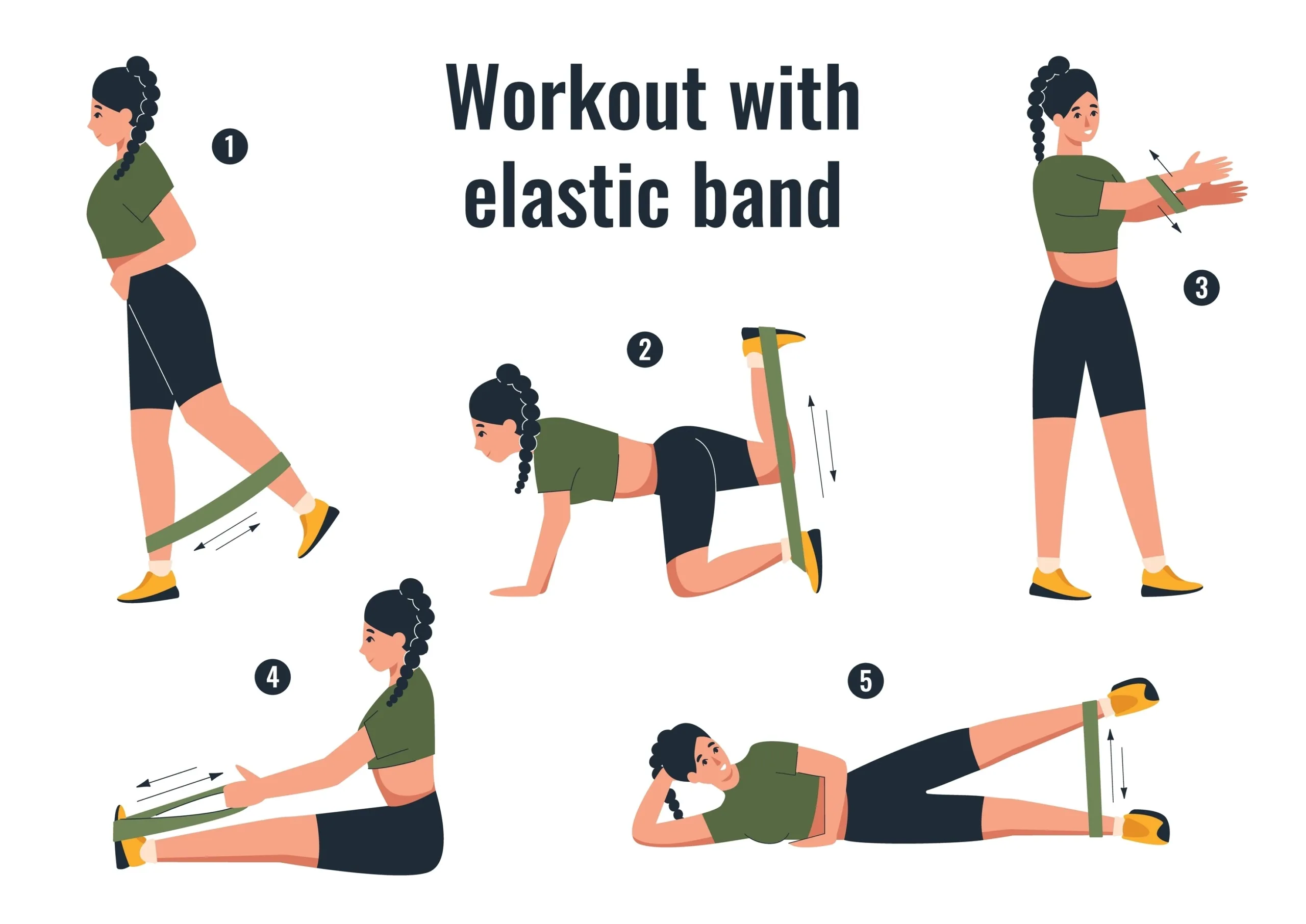
How to Make It Stick: A “Pro-Aging” Checklist
If you’re looking to start (or restart) your home routine, here is how the experts suggest you set yourself up for success:
- Personalize Your Space: Don’t hide your weights in the back of the closet. Keep your equipment visible and accessible.
- Use Tech to Your Advantage: Many participants found that simple apps or instructional videos provided the “virtual coach” they needed to feel confident in their form.
- Focus on the “Why”: Remind yourself that you aren’t just lifting weights; you’re investing in your ability to pick up your grandkids, travel, or garden without a “day-after” ache.
The Bottom Line
Your home isn’t just where the heart is—it’s where your health happens. By finding a routine that fits your lifestyle (and perhaps a friend to complain about it with), you can ensure your “classic car” stays on the road for years to come.
Source:
Exploring Home Resistance Exercise: Insights from Older Adults